Start with the guide
Whole-Home Renovations: Where Do I Start?
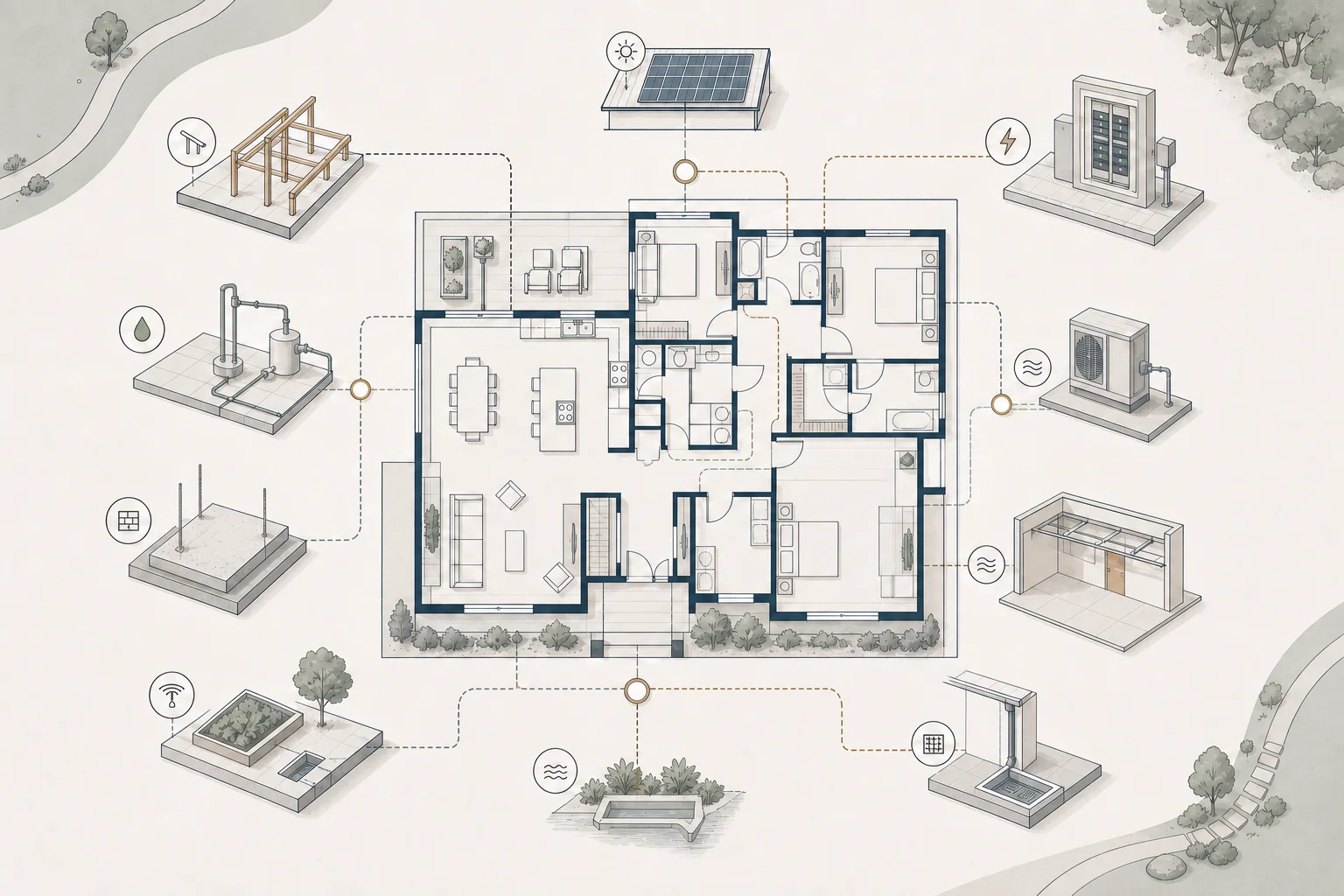
Create a house-wide strategy for existing conditions, systems, master planning, budget, phasing, temporary living, logistics, and team coordination.

Foundation Resources
Navigate whole-home scope, design, systems, budgets and project closeout.
41 guides to explore
← Browse all topicsCreate a house-wide strategy for existing conditions, systems, master planning, budget, phasing, temporary living, logistics, and team coordination.
Plan a whole-home renovation timeline from feasibility and design through procurement, construction, inspections and move-in.
Compare the financial, practical and lifestyle tradeoffs of renovating your current home versus moving.
Evaluate whether your home and property can realistically support a successful whole-home renovation.
Define what is included, excluded and deferred before design and construction decisions become expensive.
Build a complete whole-home renovation budget that includes construction, soft costs, living costs and contingency.
Decide whether to renovate all at once or in coordinated phases guided by one complete master plan.
Define the problems, priorities and long-term outcomes that should guide every renovation decision.
Decide whether staying home or relocating temporarily will produce a safer, smoother and more efficient renovation.
Compare architect-led and design-build delivery methods without assuming one approach is right for every renovation.
Plan enough time for design, engineering, selections, permitting, pricing and construction preparation.
Make major renovation decisions in the right sequence to reduce redesign, delays, rework and avoidable costs.
Understand how permits and building codes protect safety and shape renovation scope, design, schedule and inspections.
Decide whether an open-concept layout supports the way your household lives, entertains and uses the home.
Coordinate the building envelope and home systems to improve comfort, efficiency and long-term operating performance.
Coordinate the hidden systems that make a renovated home comfortable, functional, safe and ready for future needs.
Understand how structural modifications affect feasibility, engineering, permitting, building systems, cost and schedule.
Translate daily routines and long-term priorities into a whole-home design that supports how your household actually lives.
Create clearer, safer and more intuitive movement between rooms, entries and outdoor spaces.
Plan intentional views and visual connections that make the home feel coherent while preserving privacy where it matters.
Plan storage as a coordinated whole-home system based on belongings, routines, access and long-term flexibility.
Use layout, windows, interior openings, skylights and reflected light to brighten the home while managing privacy and heat gain.
Coordinate improvements across multiple years so each renovation phase supports one complete long-term vision.
Plan adaptable spaces and accessible features that support comfort, safety and independence as household needs change.
Create spaces that are easier and more comfortable for people of different ages, abilities and life stages to use.
Protect future options by planning adaptable spaces, capacity and infrastructure while walls and systems are already accessible.
Balance personal value and long-term enjoyment with neighborhood context, resale expectations and realistic investment limits.
Build a coordinated renovation team with clear roles, aligned expectations and the right expertise for your project.
Evaluate financing options in the context of project cost, cash flow, risk, contingency and long-term household goals.
Review the contract structure and project-specific commitments before authorizing a major whole-home renovation.
Separate essential needs from valuable improvements and optional preferences before design and budget decisions become fixed.
Prepare the home and household for access, disruption, protection, temporary routines and the practical realities of construction.
Prepare for the daily disruption, temporary routines and household coordination required when living through active construction.
Use construction milestones to understand progress, upcoming decisions and the dependencies between major phases of work.
Manage construction changes through written scope, pricing, schedule impact and documented approval before work proceeds.
Use a deliberate process to investigate concealed conditions, understand options and make informed cost and schedule decisions.
Protect construction quality through clear standards, timely observations, documented corrections and attention before work is concealed.
Approach the final walkthrough with a structured review of completed work, open items, systems, documents and responsibilities.
Use a clear punch-list and closeout process to document incomplete work, confirm corrections and finish the project responsibly.
Collect warranty terms, product records and maintenance requirements before the renovation team closes out the project.
Coordinate cleaning, safety, systems orientation, records and household setup before fully moving back into the renovated home.
Need Help With Your Project?
Schedule a complimentary Discovery Call to discuss where you are and what decisions are ahead.