What Are Mechanical Systems?
Mechanical systems are the infrastructure that makes your home comfortable, functional, and safe. While much of this work is hidden behind walls and ceilings, these systems affect nearly every aspect of daily living.
- Plumbing: Water supply, drain lines, water heaters, and gas piping.
- Electrical: Panels, circuits, outlets, switches, lighting, and dedicated equipment.
- HVAC: Heating, cooling, ductwork, ventilation, and indoor air quality.
- Technology: Internet wiring, security, audio, cameras, smart home features, and networking.
- Life Safety: Smoke detectors, carbon monoxide detectors, and other required safety devices.
Why Planning Early Matters
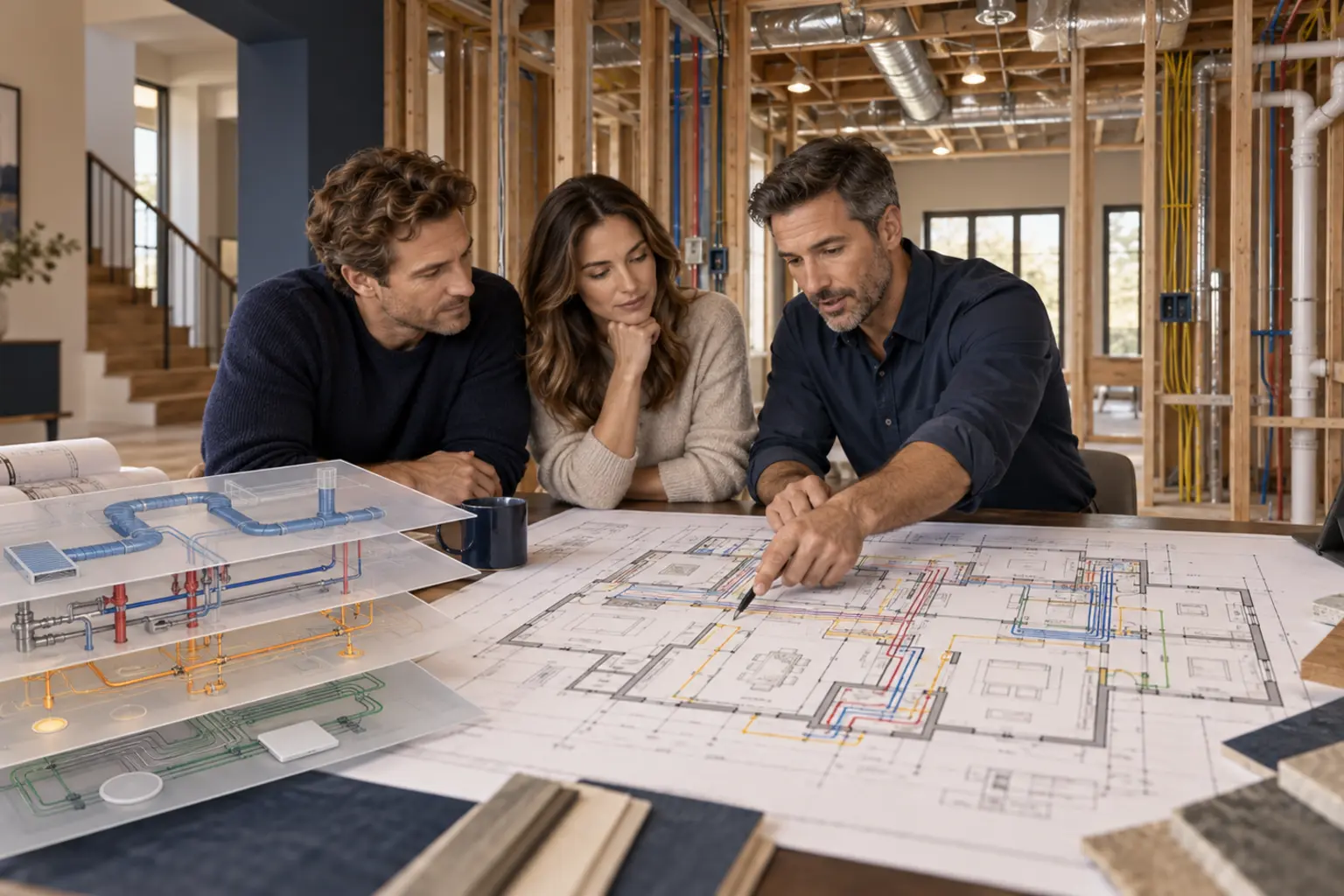
Mechanical systems should be coordinated before walls are closed and finishes are selected. Small design decisions—such as relocating a sink, adding recessed lighting, or moving a laundry room—can affect multiple trades and increase costs if discovered late.
- Improve coordination between trades.
- Reduce change orders and rework.
- Support future remodeling or additions.
- Improve energy efficiency and comfort.
- Provide adequate power and capacity for future needs.
Think Beyond Today's Needs
A renovation is the ideal time to prepare your home for the future while walls and ceilings are already open.
- Install conduit for future technology.
- Add electrical capacity for EV charging.
- Plan additional circuits for future appliances or workshops.
- Rough-in plumbing for future bathrooms or wet bars.
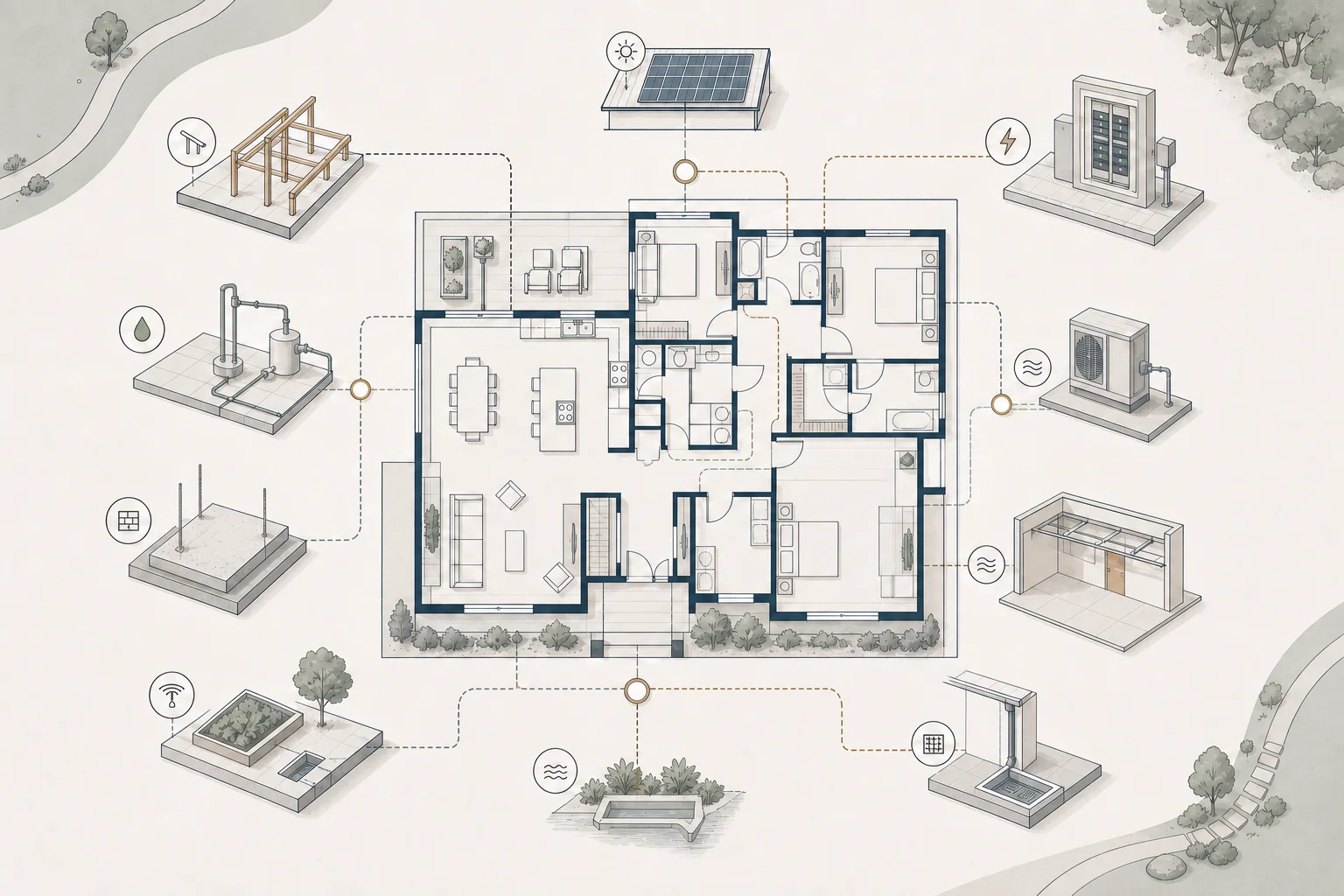
- Consider solar, battery storage, or heat pump readiness.
Coach's Perspective
Homeowners naturally get excited about cabinets, flooring, and finishes because they can see them. But I've found that some of the best renovation investments are the ones you'll never see. Spending a little more to upgrade electrical capacity, improve HVAC distribution, or relocate plumbing while the walls are open can prevent expensive work later and make your home more comfortable for years to come.
Questions to Ask Yourself
- Will my existing systems support the renovated home?
- Are there future improvements I should prepare for now?
- Have all trades coordinated their work before construction begins?
- Am I balancing visible upgrades with investments in the home's infrastructure?
- Will today's decisions make future renovations easier or harder?
Common Misconceptions
If it still works, it doesn't need to be updated. A renovation may increase demand or reveal opportunities to improve safety, efficiency, and reliability.
Mechanical systems can always be figured out during construction. Late coordination often leads to change orders, delays, and compromises.
More outlets and circuits are unnecessary. Modern homes typically require more electrical capacity than older homes were designed to provide.
Hidden work has little value. Infrastructure improvements often deliver long-term benefits even though they aren't immediately visible.
Foundation Tip
When your walls are open, think beyond today's project. Investing in your home's infrastructure during a major renovation is usually far less expensive than reopening finished walls a few years later.
Closing Thought
Mechanical systems are the backbone of a comfortable, functional home. By planning them early and coordinating them carefully, you can create a renovation that not only looks beautiful but also performs well for decades.