What Is Over-Improvement?
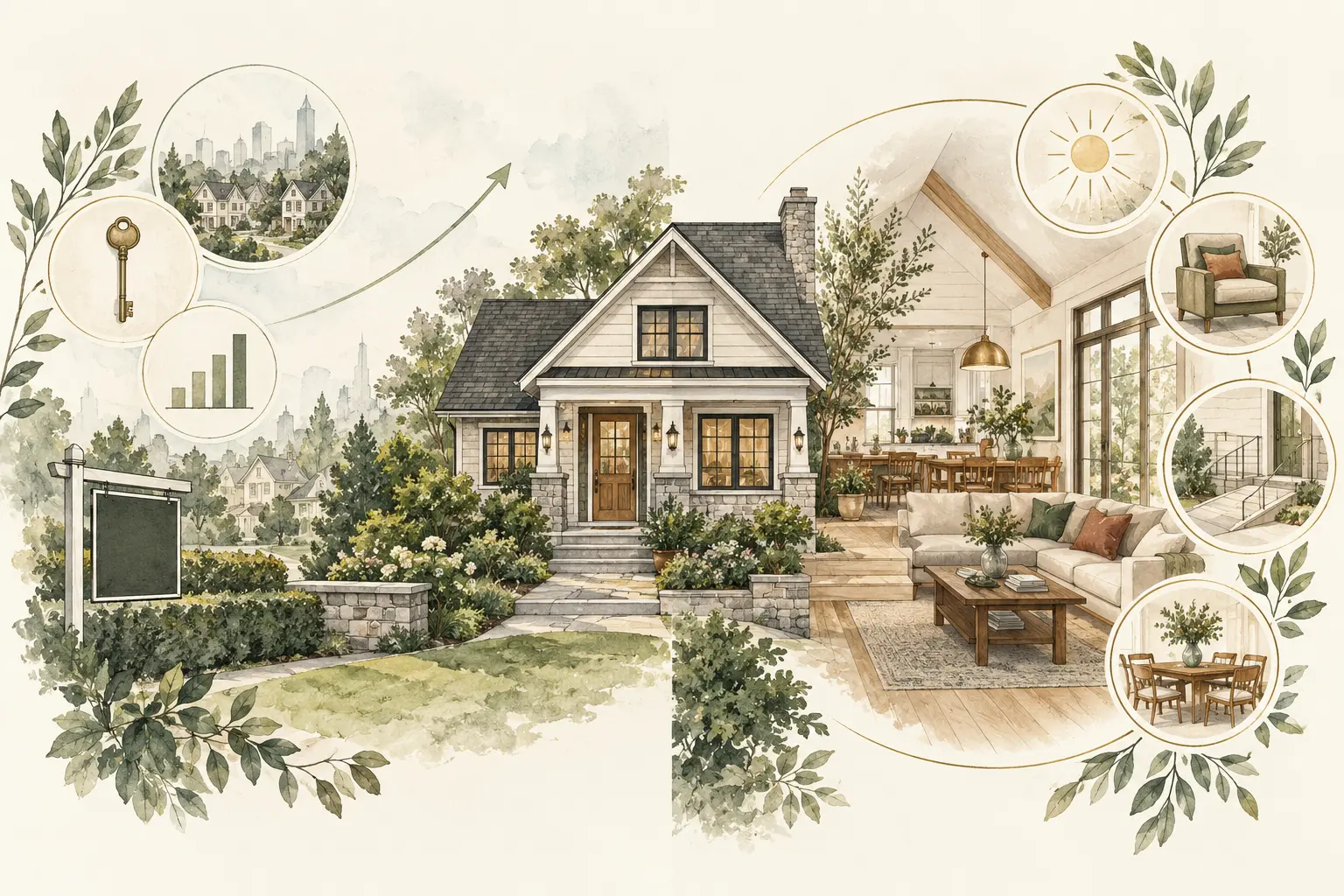
Over-improvement occurs when the cost, quality, or scope of a renovation significantly exceeds what is appropriate for the home, the neighborhood, or the homeowner's needs. While every project should reflect the owner's priorities, it's important to recognize when additional spending provides diminishing returns.
Why It Matters
A renovation should improve the way you live while making wise use of your investment. Spending beyond what delivers meaningful value can reduce financial flexibility and may not increase resale value proportionally.
- Keeps your project aligned with your goals.
- Helps avoid spending money on upgrades that provide little everyday benefit.
- Supports better long-term financial decisions.
- Encourages investments with lasting functional value.
- Reduces the likelihood of renovation regret.
Common Signs of Over-Improvement
Renovating for Trends Choosing expensive features simply because they are popular rather than because they fit your lifestyle.
Ignoring the Neighborhood Installing finishes or amenities that far exceed surrounding homes if resale value is a primary goal.
Overspending on Rarely Used Spaces Allocating a large portion of the budget to rooms that see little daily use.
Choosing Luxury Over Function Upgrading finishes while delaying important structural, mechanical, or functional improvements.
Trying to Do Everything at Once Expanding the project beyond its original purpose without a clear benefit.
When Spending More Makes Sense
Not every premium upgrade is an over-improvement. If you plan to stay in your home for many years, investing in durability, energy efficiency, accessibility, or features that significantly improve your daily life may be well worth the cost. The key is ensuring those investments support your priorities rather than someone else's expectations.
Design for Your Goals
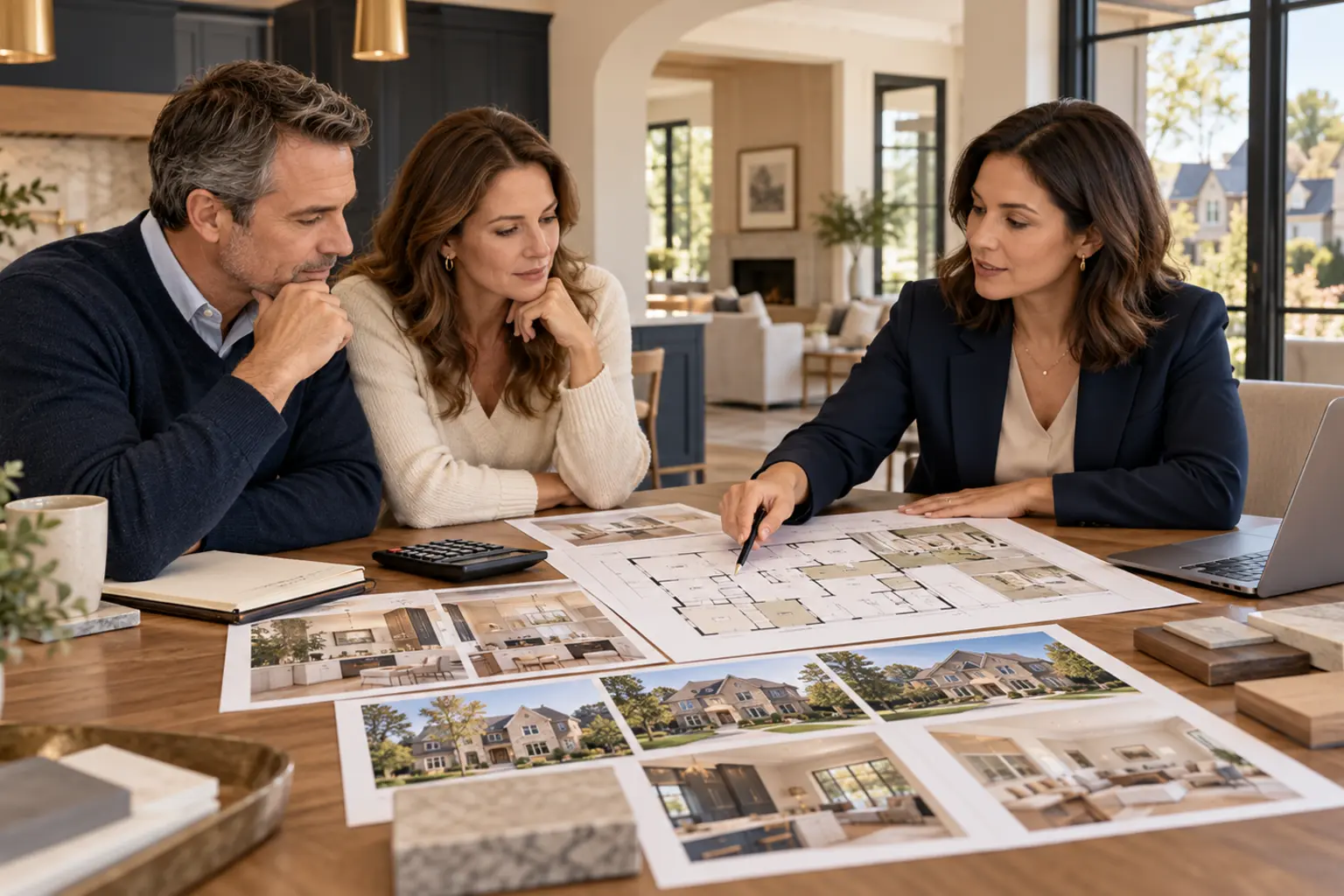
Before approving an upgrade, ask what success looks like for your project. Are you renovating to enjoy the home for the next twenty years, preparing to sell in a few years, accommodating a growing family, or creating your forever home? Your answers should guide your spending decisions.
Coach's Perspective
I've seen homeowners feel pressure to include every premium feature because they worry they'll regret leaving something out. More often, the opposite is true. The projects people are happiest with are usually the ones where every dollar was spent intentionally. A renovation doesn't have to be the biggest or most expensive to be exceptionally successful—it simply needs to solve the right problems.
Questions to Ask Yourself
- Does this upgrade improve the way I live every day?
- Would I make the same decision if no one else ever saw my home?
- Am I choosing this because it's valuable to me or because it's trendy?
- Could this money have a greater impact elsewhere in the project?
- Does this investment support my long-term plans for the home?
Common Misconceptions
The more I spend, the happier I'll be. Thoughtful design and smart prioritization usually matter more than total cost.
Every renovation should maximize resale value. Many homeowners renovate primarily to improve their own quality of life.
Luxury finishes always add value. Some upgrades provide little return if they don't improve function or fit the local market.
Foundation Tip
Whenever you're considering an expensive upgrade, ask yourself one simple question: 'Will I appreciate this improvement every week for the next ten years?' If the answer is yes, it may be a worthwhile investment. If not, those funds may be better spent elsewhere.
Closing Thought
The goal of a successful renovation isn't to create the most expensive home on the block—it's to create the home that's right for you. By making intentional decisions and focusing on long-term value, you can complete a renovation you'll enjoy for years without spending more than necessary.