Why Prioritization Matters
Almost every renovation reaches a point where homeowners must make choices. Unexpected conditions, budget limits, or changing priorities may require adjustments. Having a clear understanding of your needs versus your wants helps you make confident decisions instead of emotional ones.
- Keeps the project aligned with your budget.
- Reduces stress when difficult decisions arise.
- Focuses spending on improvements that provide lasting value.
- Helps prevent regret after construction is complete.
- Makes change-order decisions easier.
Understanding Needs vs. Wants
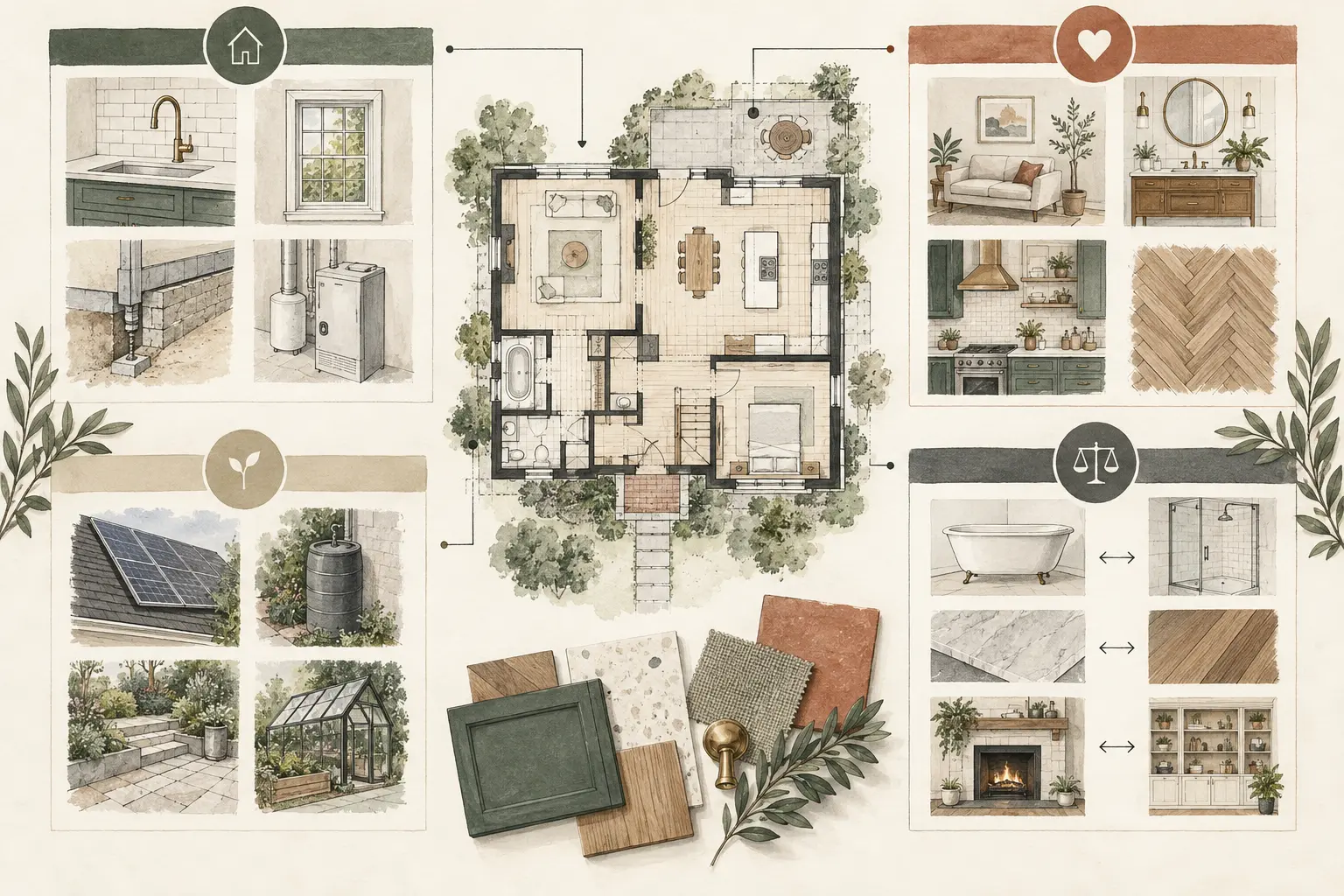
Needs are improvements that solve functional problems, improve safety, address code requirements, or support the way you live. Wants are features that enhance comfort, appearance, or enjoyment but are not essential to the success of the project.
| Needs | Wants |
|---|---|
| Repair structural damage | Premium appliance package |
| Replace failing plumbing or electrical systems | Luxury finishes |
| Improve functionality of the floor plan | Custom built-ins |
| Address safety or accessibility concerns | Statement lighting or designer fixtures |
| Fix water intrusion or building envelope issues | High-end decorative upgrades |
How to Prioritize Your Budget
Start with the Fundamentals Address structure, moisture, roofing, mechanical systems, and code issues before cosmetic upgrades.
Invest in Daily Living Spend money on the spaces and features you use every day rather than those used only occasionally.
Spend Where It Is Difficult to Upgrade Later Items hidden behind walls—such as insulation, wiring, plumbing, and structural improvements—are usually far less expensive during construction than after the project is finished.
Identify 'Nice-to-Have' Items Keep a list of optional upgrades that can be added later if the budget allows.
Avoid Emotional Spending Don't let a single showroom visit or social media trend derail the overall project budget.
When the Budget Changes
If unexpected costs arise, resist the urge to cut foundational improvements. Instead, consider postponing finish upgrades, decorative features, or nonessential additions that can be completed later with less disruption.
Coach's Perspective
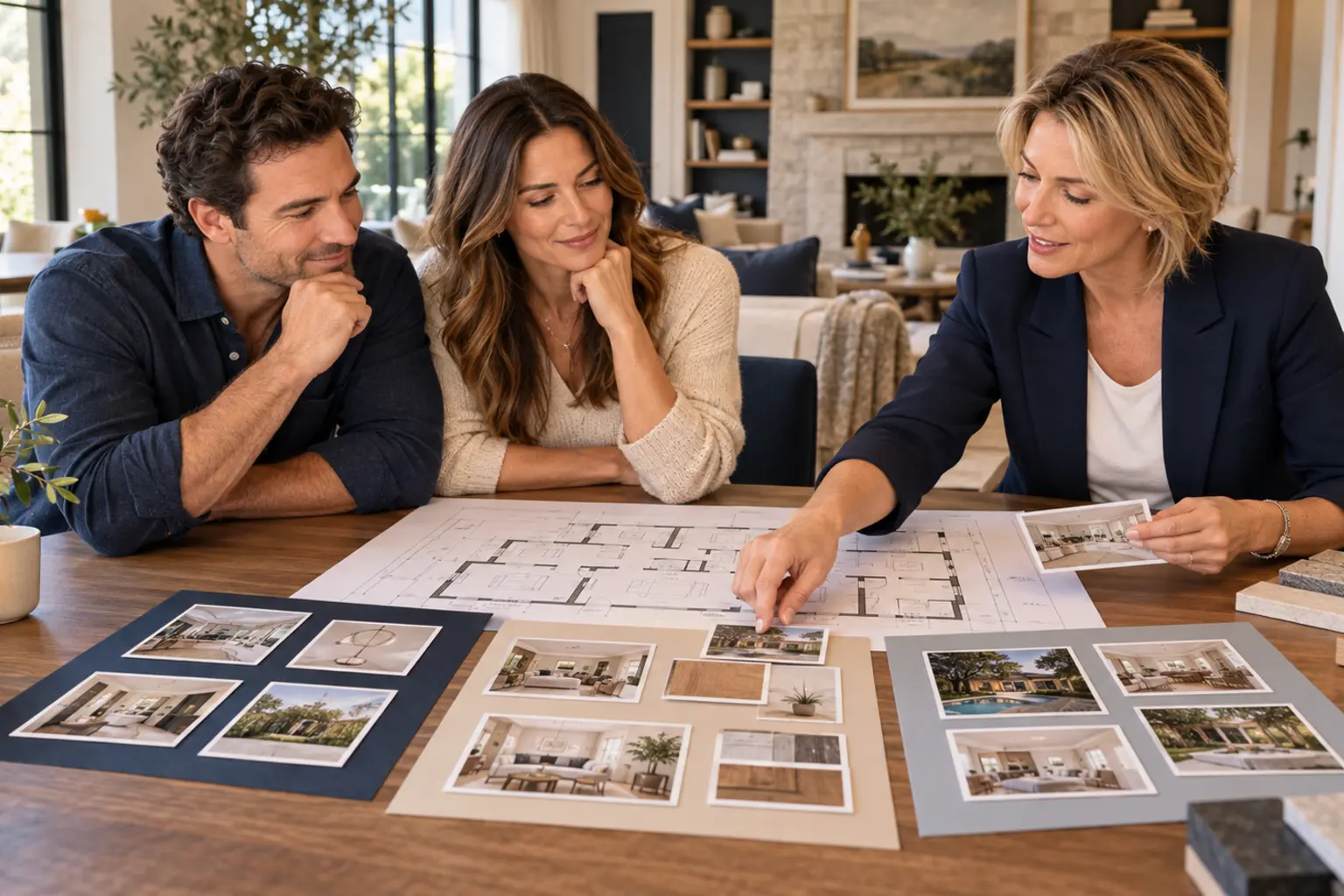
One of the most valuable exercises I do with homeowners is asking them to rank every major decision as a 'must-have,' 'would like,' or 'nice if the budget allows.' That simple conversation often prevents difficult disagreements later and helps ensure the project delivers the greatest benefit within the available budget. The best renovation isn't the one with the longest wish list—it's the one that best supports the way you live.
Questions to Ask Yourself
- Will this improvement solve an everyday problem?
- If I couldn't afford this feature today, could I add it later?
- Does this upgrade improve function, appearance, or both?
- Am I making this decision because I truly value it or because it's trending?
- If I had to cut 10% from my budget tomorrow, what would stay and what would go?
Common Misconceptions
The most expensive option is always the best. Higher cost doesn't always provide greater value or satisfaction.
Everything on my wish list is equally important. Clear priorities make better projects and reduce stress.
Cutting the budget means sacrificing quality. Often it simply means delaying lower-priority upgrades while protecting the improvements that matter most.
Foundation Tip
Before finalizing your budget, divide every major item into three categories: Must Have, Nice to Have, and Future Upgrade. This simple exercise gives you a roadmap for making confident decisions if your budget changes during the project.
Closing Thought
Every renovation involves tradeoffs. By focusing first on the improvements that provide the greatest value for your home and lifestyle, you'll build a renovation plan that remains successful even if every item on your wish list doesn't make the final cut.