What Quality Control Means
Quality control is the process of verifying that materials and workmanship conform to the construction contract, approved plans and specifications, manufacturer instructions, applicable codes, and agreed standards. It includes planning the work, checking conditions before installation, observing work at appropriate stages, documenting concerns, correcting deficiencies, and verifying the correction.
Quality Must Be Defined
Terms such as “high quality” or “good workmanship” can mean different things to different people. The most useful references are objective: drawings, written specifications, approved submittals and selections, installation instructions, required tolerances, samples, mockups, and contract requirements. When appearance is important, agreeing on a representative sample or first completed area can reduce later disagreement.
Quality Control Is a Team Responsibility
General Contractor Coordinates trades, sequencing, supervision, required inspections, protection, and correction of work under the construction agreement.
Subcontractors and Installers Perform specialized work and should follow the project requirements, accepted trade practices, and product instructions.
Architects, Designers, and Engineers May review specified portions of the work for general conformance when construction-phase services are included in their agreements. Their visits are not continuous supervision.
Building Inspectors Review work within the scope of the permit for code compliance. Approval is important, but it is not a guarantee of finish quality or full contract compliance.
Homeowner Observes progress, makes timely decisions, and raises questions through the agreed point of contact without directing subcontractors or taking over day-to-day supervision.
Check Work at the Right Time
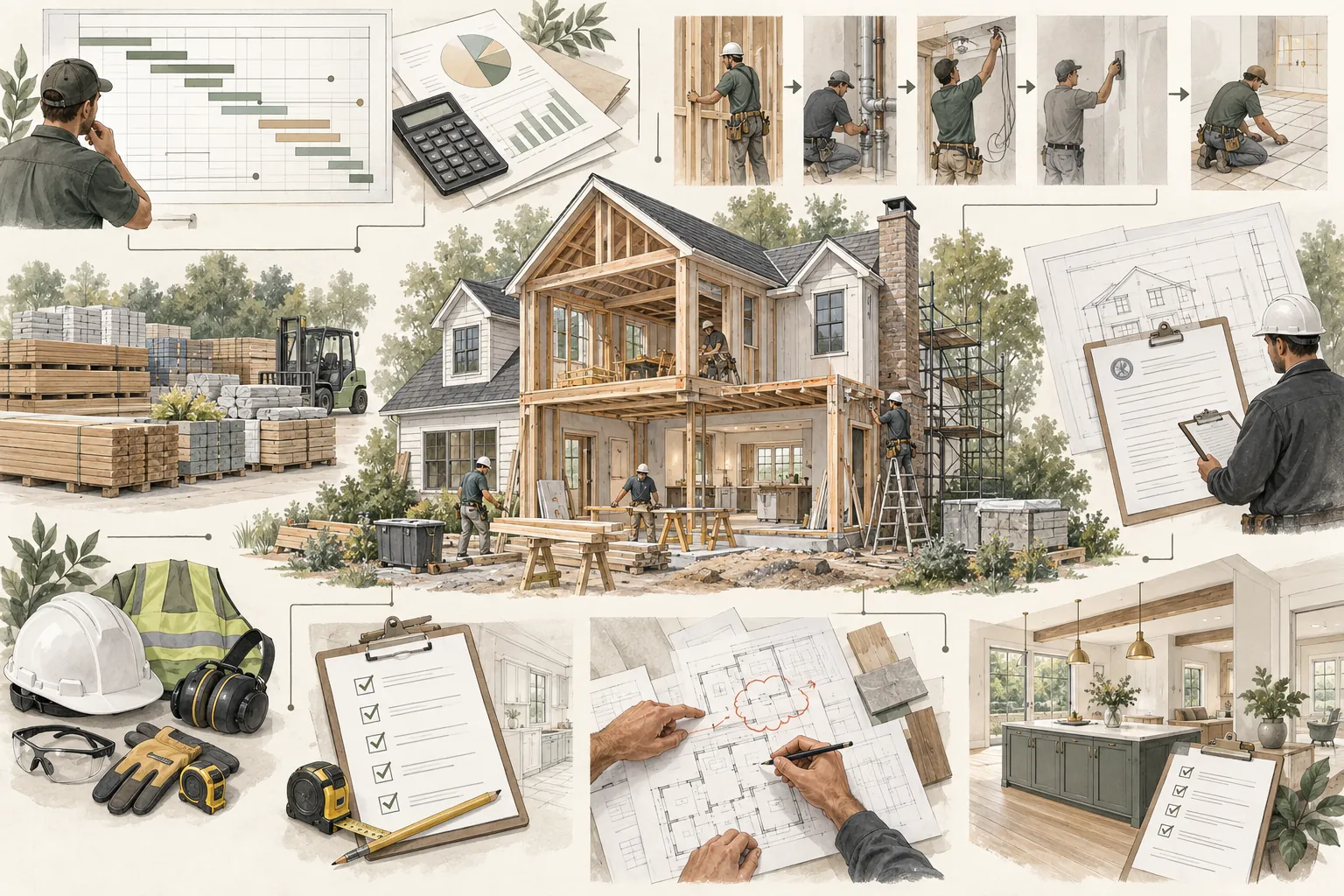
The best time to identify an issue is before the next layer covers it or dependent work begins. A waterproofing detail should be reviewed before tile; rough plumbing and wiring before drywall; cabinet dimensions before countertops; and substrate conditions before finish flooring. Timely checks reduce rework and help protect the schedule.
Common Quality-Control Checkpoints
Before Installation or Repetition Confirm the approved product, layout, substrate, dimensions, and preparation. Review a representative area when pattern, alignment, finish, or detailing could be interpreted differently.
Before Concealment Document and review framing, backing, waterproofing, rough systems, fire blocking, insulation, and other work that will become difficult to access.
At Trade Transitions and During Repeat Work Confirm that one trade provides acceptable conditions for the next. Review repeated finish installations early enough to correct a pattern before it appears throughout the project.
Testing and Startup Complete required pressure tests, leak tests, electrical checks, equipment startup, balancing, commissioning, or other verification appropriate to the installed systems.
Distinguish a Deficiency from Incomplete Work
Construction often looks imperfect while it is in progress. Before labeling something defective, ask whether the work is complete, what the intended final detail is, and when the responsible trade will return. Incomplete work should still be tracked, but it may not require immediate correction.
Allow for Natural Material Variation
Wood, stone, tile, plaster, concrete, and similar materials may vary in color, grain, texture, or pattern. Samples show a range unless the contract says otherwise. Review the approved material, reasonable tolerances, layout, and agreed sample before deciding whether a variation is a deficiency.
Raise Concerns Through the Agreed Channel
Describe the location and condition objectively, include a photograph when useful, and reference the applicable drawing, selection, sample, or requirement if known. Ask the contractor to explain whether the work is complete and how the concern will be evaluated. Avoid directing an installer to stop, remove, or redo work unless an immediate safety or property-damage issue requires urgent action.
Document Corrections and Verification
A quality item should have a clear owner, status, and required response. Record the concern, responsible party, target date, and verification method. Photographs are helpful, especially before concealment, but they do not replace required inspections, testing, reports, or professional review. Close the item only after the agreed correction has been checked.
Protect Completed Work
Quality control also includes preventing damage. Finished floors, cabinets, countertops, fixtures, windows, and painted surfaces may need temporary protection and controlled access. The contractor should coordinate protection, housekeeping, and sequencing so completed work is not repeatedly repaired as other trades finish the project.
A Practical Homeowner Approach
- Understand the drawings, selections, samples, and standards that define the expected result.
- Ask which upcoming activities should be reviewed before concealment or repetition.
- Use regular project meetings and the agreed point of contact to raise concerns.
- Describe observable facts and ask questions before assuming the cause or correction.
- Track open items, owners, target dates, and verification without directing trades.
- Confirm corrected work before dependent work proceeds whenever practical.
Coach's Perspective
Homeowners sometimes wait until the end because they do not want to seem difficult, or they comment on every unfinished detail because they fear losing the opportunity to speak up. Neither extreme is helpful. Raise meaningful concerns promptly and respectfully, then allow the responsible team member to evaluate them. The goal is a reliable process for resolving issues—not a project with no questions or corrections.
Questions to Ask About Quality Control
- Who is responsible for supervising and checking each major trade?
- What samples, mockups, tolerances, or written requirements define acceptance?
- Which work should be reviewed or tested before it is concealed?
- What construction-phase reviews are included from the design team?
- How are quality concerns documented, assigned, corrected, and closed?
- Who verifies a correction, and what record should be retained?
Common Misconceptions
A passed building inspection proves all work is high quality. An inspector reviews code-related items within the permit scope; appearance, contract requirements, and manufacturer details may require other checks.
The homeowner must personally inspect every detail. The homeowner should stay engaged, but construction supervision and trade coordination remain professional responsibilities defined by the project agreements.
Quality control happens only at the final walkthrough. Many of the most important checks occur before work is concealed or repeated. The final walkthrough should confirm the result, not begin the quality process.
Foundation Tip
At each project meeting, ask what work will be covered or repeated before the next meeting and how it will be checked. This simple look-ahead question identifies the quality decisions that cannot wait until the end.
Closing Thought
Quality is protected through clear expectations, timely checks, respectful communication, and verified corrections. When each participant understands the standard and their role, homeowners can remain meaningfully involved without becoming the project's day-to-day construction manager.