Construction Is Where Preparation Becomes Execution
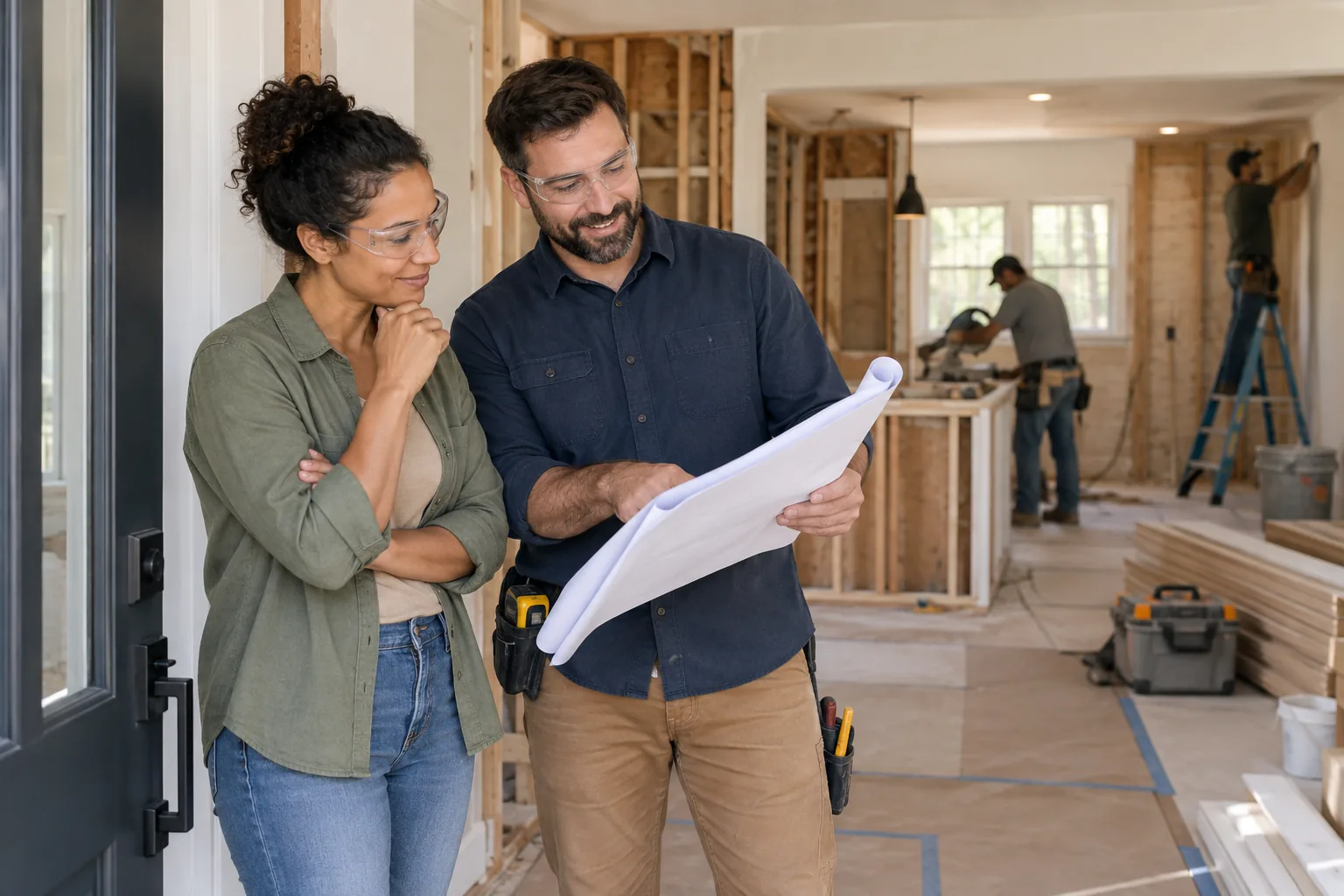
The Build phase is the most visible part of a renovation. Demolition begins, existing conditions are exposed and the design becomes physical work. Ideally, the largest project decisions were resolved during Discover, Plan, Design and Prepare.
Construction still requires active management. Information must reach the right people, decisions must be made on time, changes must be documented, quality must be reviewed and schedule effects must be communicated.
The homeowner’s role is not to direct trades or replace the contractor’s supervision. It is to fulfill the responsibilities defined by the contract, make informed decisions, maintain appropriate communication and verify that concerns are routed through the agreed process.
Understand Who Is Responsible for What
The contractor generally manages construction means, methods, sequencing, trade coordination, safety and contractual quality control. Designers and engineers provide the services included in their agreements, which may involve submittal review, clarification, observations or evaluation of changes.
The homeowner typically remains responsible for timely approvals, payments, access, owner-provided products and decisions assigned to them. KB-2212 provides the detailed explanation of the homeowner’s role during renovation.
When roles are unclear, homeowners may unintentionally issue conflicting direction, delay the work or assume that someone is performing a service that was never included.
Use the Agreed Communication Structure
Construction generates many conversations. A consistent communication process helps separate urgent field questions, routine updates, design clarifications, financial approvals and household concerns.
The team should maintain:
-
A primary contact for the homeowner and contractor
-
A regular meeting or update cadence
-
A written record of significant decisions
-
A process for requests for information and design questions
-
A clear method for approving selections and substitutions
-
Defined authority for cost and scope changes
-
An escalation path for safety, damage or urgent property issues
KB-2213 provides the detailed project-team communication framework. During Build, the priority is following the agreed system instead of creating parallel channels with individual trades.
Track the Construction Schedule
The construction schedule should be updated as work progresses. Actual conditions, inspections, decisions, product availability and trade coordination can change planned dates.
A useful schedule discussion distinguishes:
-
Work completed during the reporting period
-
Work planned next
-
Decisions or products needed from the homeowner
-
Inspections, utility work or outside dependencies
-
Current constraints and responsibility for clearing them
-
Changes to milestones or anticipated completion
Not every shift indicates poor performance. The team should understand the reason, the effect on dependent work and the recovery or adjustment plan. KB-2214 explains common causes of renovation delays, while project-specific timeline and milestone articles provide deeper context.
Make Decisions Before They Become Field Delays
Even well-prepared projects have remaining selections, submittals and field decisions. The team should maintain a decision log showing the issue, options, responsible party and required date.
When a decision arrives, ask:
-
What information is needed to decide?
-
Which work depends on the answer?
-
Does the choice affect cost, schedule, design or performance?
-
Who must review or approve it?
-
How will the decision be documented in the project records?
A fast answer is not always a good answer, but an unanswered question can stop multiple activities. The goal is an informed decision within the time the project requires.
Review Submittals and Substitutions
Contractors may submit product data, shop drawings, samples or proposed substitutions for review. Approval responsibilities depend on the contract and professional agreements.
A substitution should be evaluated for more than appearance or price. Consider dimensions, performance, compatibility, warranty, availability, maintenance, design intent and effects on other work.
No homeowner should assume that a product is equivalent only because it is described as similar. Route technical questions to the appropriate design or engineering professional.
Distinguish Clarifications From Changes
A clarification explains the existing contract requirements. A change modifies the scope, cost, schedule or another contractual obligation. The distinction matters because not every field question should become additional work, and not every legitimate change was necessarily foreseeable.
Before authorizing a change, understand:
-
Why the change is being proposed
-
Whether it results from an owner request, concealed condition, design revision, code requirement, omission or substitution
-
The scope being added, removed or modified
-
The price and supporting information
-
The schedule and procurement effect
-
Any effect on permits, engineering, warranties or other trades
-
Whether contingency or another budget category will fund it
KB-2215 explains what a construction change order is. KB-2533 provides the detailed framework for managing and approving changes during construction.
Respond Methodically to Unexpected Conditions
Opening an existing home can reveal deterioration, undocumented framing, outdated utilities, moisture, hazardous materials or conditions different from the available records.
When an unexpected condition appears:
-
Pause the affected work when necessary to avoid covering or worsening the condition.
-
Document the location and visible facts.
-
Determine which qualified professional should evaluate it.
-
Develop response options and understand their scope.
-
Review cost, schedule and downstream effects.
-
Obtain required approvals and written authorization.
-
Update drawings, permits or project records when appropriate.
A discovery is not automatically evidence of poor planning, but the response should not be improvised or undocumented. KB-2534 provides the primary guidance on unexpected renovation conditions.
Monitor Quality Throughout Construction
Quality control should occur as work progresses, especially before important components are concealed. The contractor is responsible for its contractual quality-control process. Jurisdiction inspections, designer observations, engineer visits and specialty testing have different purposes and do not replace one another.
Homeowners should raise visible concerns promptly through the agreed communication channel. They should not direct repair methods outside their expertise or wait until final completion to mention a problem observed weeks earlier.
Potential review points include:
-
Layout and dimensions before work becomes difficult to change
-
Foundations, framing and structural connections
-
Waterproofing, flashing and exterior-envelope transitions
-
Mechanical, electrical and plumbing rough-in
-
Insulation and air-sealing before enclosure
-
Cabinetry, tile and finish mockups or initial installations
-
Equipment startup, testing and controls
-
Punch work and correction follow-through
KB-2535 provides the detailed whole-home quality-control guidance, and project-specific articles identify specialized milestones.
Understand Inspections and Professional Observations
Jurisdiction inspections generally evaluate work for compliance with the approved permit and applicable requirements at designated stages. They do not confirm every contract item, finish expectation or quality preference.
Architectural or engineering observations are limited to the professional’s agreement and are not continuous supervision. Specialty testing and commissioning address defined systems or performance requirements.
The homeowner should know which reviews are required, who schedules them, what documentation is produced and how corrections are closed.
Review Payment Applications Carefully
Payment procedures vary by contract. Before approving a payment, confirm that the request follows the agreed schedule or application process and includes required documentation.
Depending on the agreement and jurisdiction, review may consider:
-
Work completed and materials properly stored
-
Approved change orders and allowance reconciliation
-
Retainage or holdback provisions
-
Lien waivers, releases or other required documents
-
Previously paid amounts and current balance
-
Unresolved defective or incomplete work
Payment review is not an invitation to withhold money arbitrarily. It is a documented contract process. Seek qualified legal or financial advice when payment or lien rights are disputed.
Maintain Project Records
Keep current copies of the contract, proposals, drawings, permits, selections, submittals, meeting notes, photos, invoices, payments, changes and important correspondence.
Record work that will later be concealed, including utility routes, framing, waterproofing and equipment information when practical. These records can support later maintenance, warranties, future renovations and closeout.
Manage Household Disruption
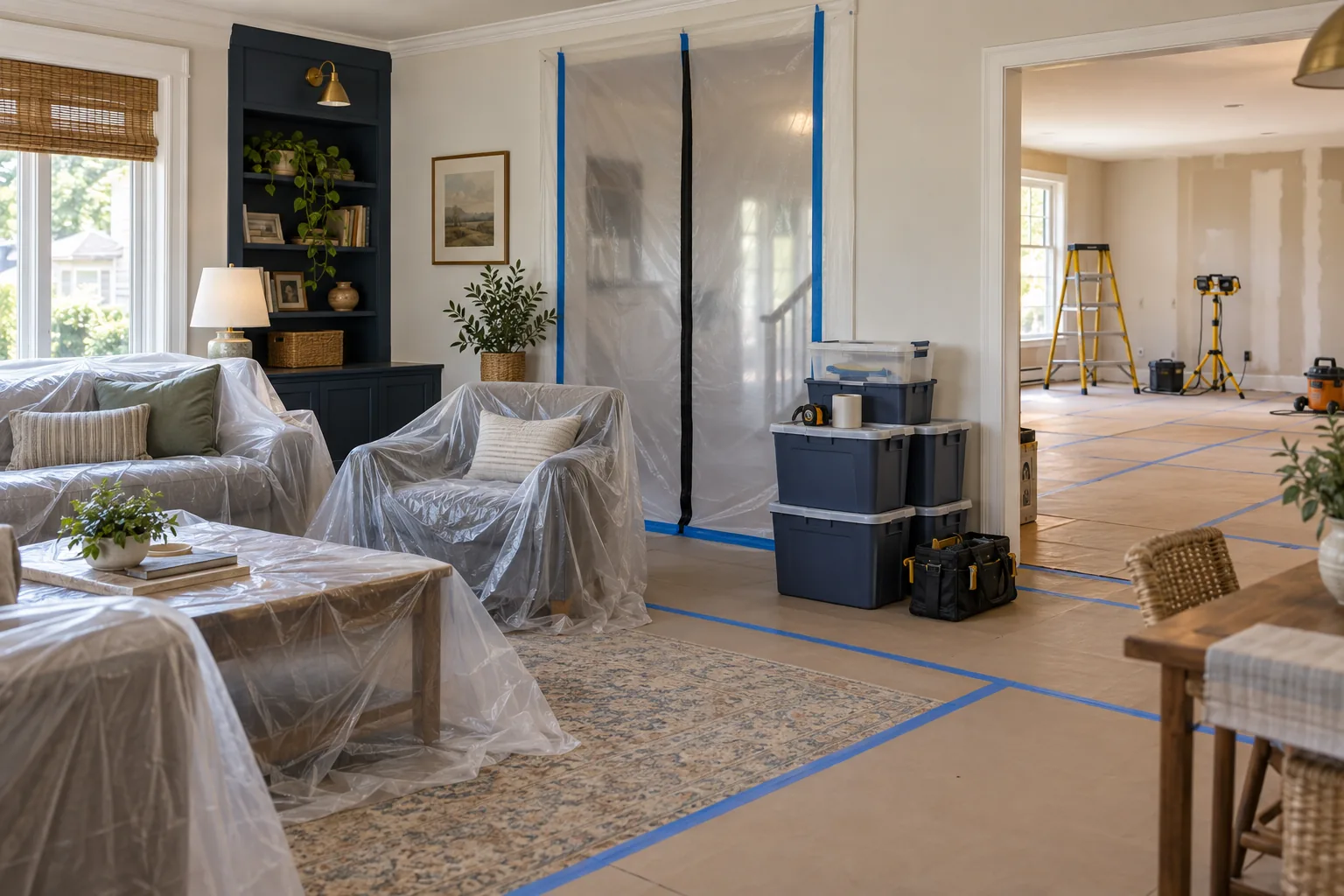
Noise, dust, access changes, utility interruptions and shifting work areas affect daily life. The household should receive notice of material disruptions when reasonably possible and follow established safety boundaries.
If the home remains occupied:
-
Keep children and pets outside controlled work areas
-
Maintain clear emergency exits
-
Protect essential medications, documents and equipment
-
Confirm planned water, power, HVAC and security interruptions
-
Update temporary kitchen, bathroom or work arrangements as phases change
-
Communicate household schedule constraints through the primary contact
Day-to-day frustration is real, but changes made only to relieve a temporary inconvenience may have lasting cost or design effects.
Keep the Original Goals Visible
Construction can narrow attention to the issue immediately in front of the team. When evaluating a change or compromise, return to the project goals and priority structure.
Ask whether the proposed response protects the essential outcome, creates a new problem elsewhere or spends resources on something that is no longer important. The Roadmap provides continuity between early planning and field decisions.
Watch for Warning Signs
One isolated problem does not necessarily indicate project failure. Patterns deserve attention.
Potential warning signs include:
-
Work proceeding from outdated drawings or unapproved changes
-
Repeated verbal extras without written authorization
-
Significant questions being concealed before review
-
Unclear responsibility for decisions or technical answers
-
Payment requests that do not match the contract process
-
Persistent schedule slippage without explanation or recovery planning
-
Unresolved safety, water or structural concerns
-
Communication bypassing the agreed project contacts
Document the concern, request clarification and involve the appropriate professional. Escalation should be proportionate and evidence-based.
Prepare for Completion Before the End
Closeout planning should begin during construction. Collect warranties, manuals, testing records, permits, inspection approvals, product information, spare materials and record photographs as they become available.
Track incomplete or corrective work throughout the project instead of attempting to reconstruct every issue during the final walk. The Complete phase will organize final inspections, punch work, documentation and transition to normal use.
Common Build-Phase Mistakes
-
Directing trades outside the agreed communication structure
-
Making late design decisions without reviewing downstream effects
-
Approving changes verbally or without complete scope and price information
-
Treating every schedule adjustment as misconduct—or every delay as unavoidable
-
Waiting until the end to raise visible quality concerns
-
Assuming permit inspections replace contractor quality control or professional observations
-
Approving payments without following the contract process
-
Failing to document concealed work and significant decisions
-
Allowing temporary disruption to drive permanent project changes
-
Postponing closeout records until the team has dispersed
How Foundation Can Help
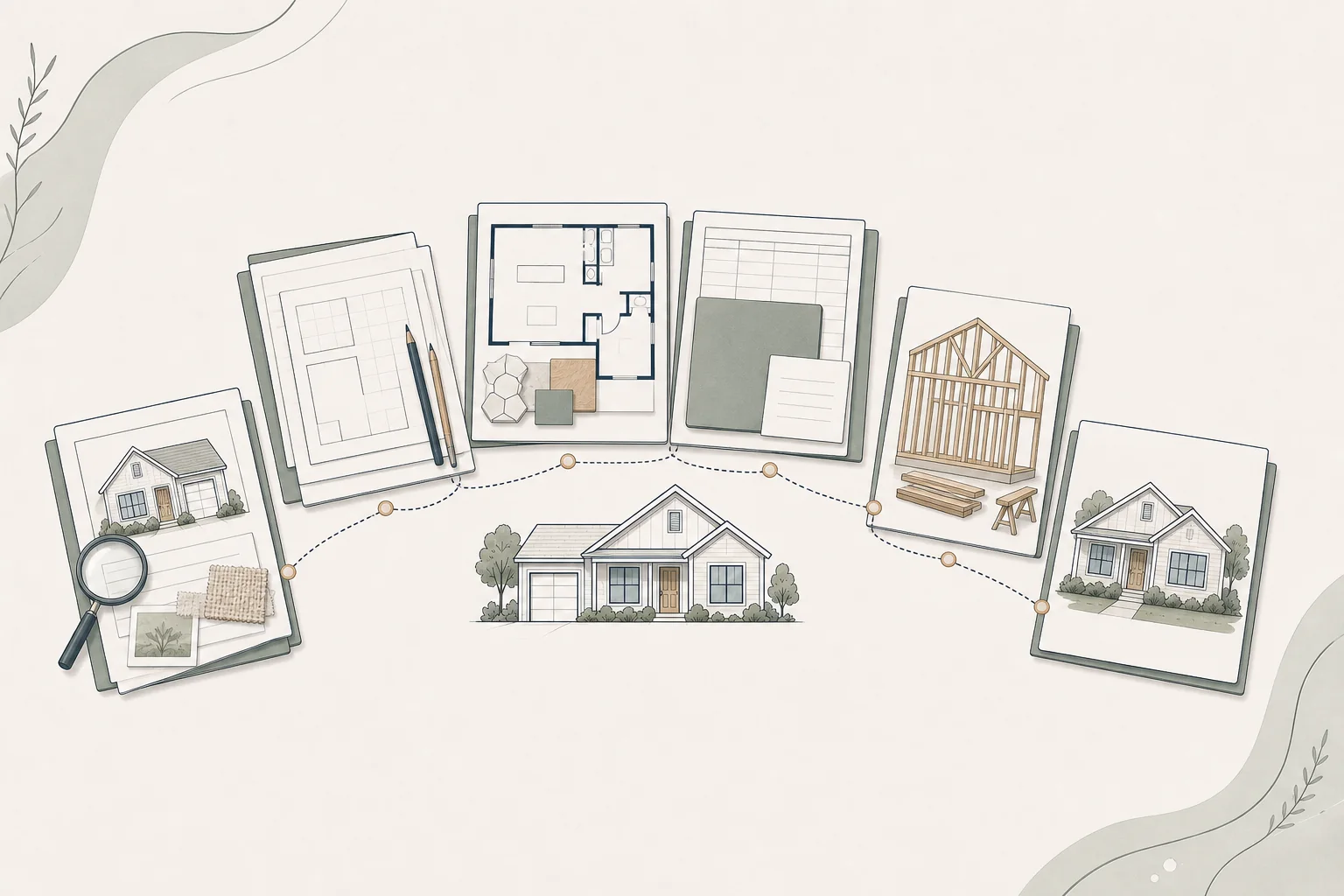
Foundation can help homeowners organize construction-stage decisions, questions and documentation while preserving the roles of the contractor and licensed professionals. The Renovation Roadmap keeps field decisions connected to the goals, scope and priorities established earlier.
Foundation Construction Support provides homeowners with independent, organized guidance during the Build phase. Depending on the project, the service can help the homeowner prepare for project meetings, organize questions and decisions, review change information, track responsibilities and identify missing documentation before issues grow. Foundation remains a homeowner advisor: the service does not supervise construction, direct trades, perform code inspections or replace the architect, engineers, attorney, contractor or other licensed professionals.
Foundation Tip
The best time to address a concern is while it is visible, documented and still reasonably accessible. Raise it through the agreed process before dependent work proceeds.
Important Note
Construction responsibilities, payment rights, inspections and professional services vary by contract and jurisdiction. This article provides general educational information and is not legal, architectural, engineering, insurance, code or construction advice. Consult qualified professionals for project-specific guidance.
Related Foundation Articles
-
KB-1003 — The Foundation Renovation Roadmap™: Six Phases of a Home Renovation
-
KB-1007 — Prepare: Get Your Home and Project Ready for Construction
-
KB-1009 — Complete: Close Out Your Renovation the Right Way
-
KB-2212 — What Is the Homeowner’s Role During a Renovation?
-
KB-2213 — How Should a Home Renovation Team Communicate?
-
KB-2214 — What Causes Home Renovation Delays?
-
KB-2215 — What Is a Construction Change Order in a Home Renovation?
-
KB-2533 — How to Manage Change Orders During a Whole-Home Renovation
-
KB-2534 — How to Handle Unexpected Conditions During a Renovation
-
KB-2535 — Quality Control During a Whole-Home Renovation