
Why Preconstruction Matters
One of the most common misconceptions about remodeling is that construction begins as soon as a contractor is selected. In reality, some of the most important work happens beforehand. Defining goals, developing plans, coordinating consultants, finalizing selections, obtaining permits, and preparing the project all take time—but they also reduce uncertainty once construction begins.
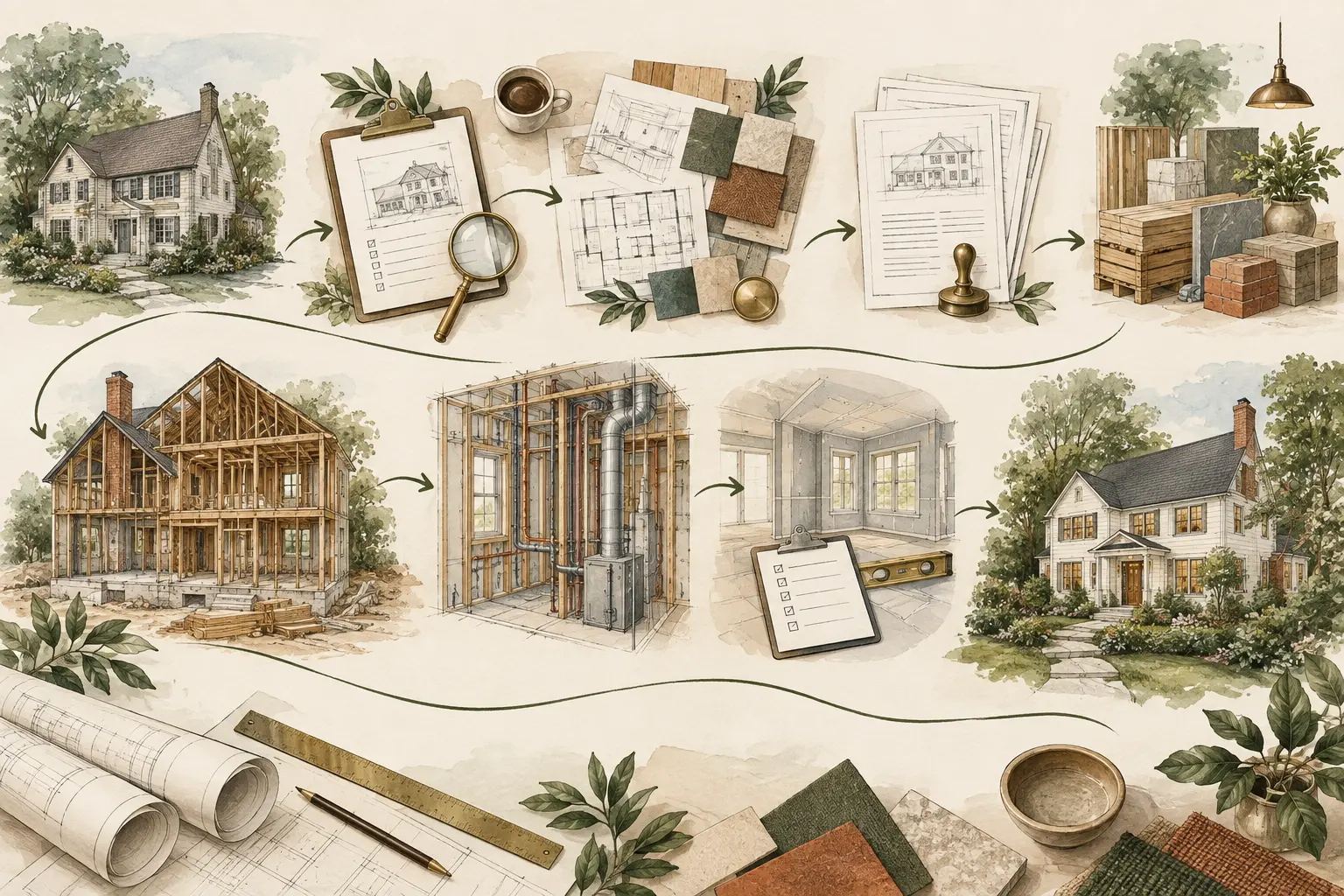
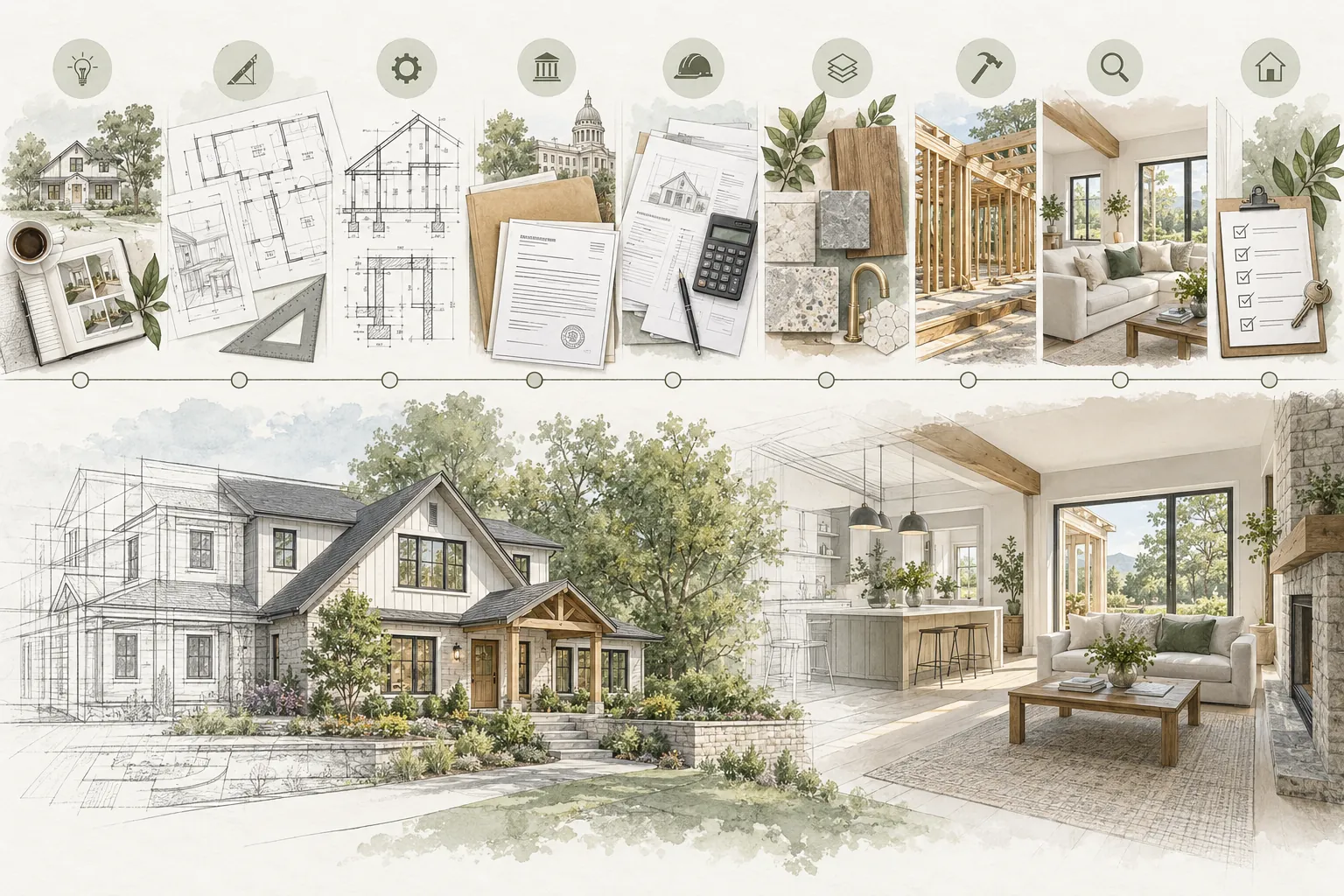
Typical Preconstruction Milestones
- 1. Define Project Goals: Identify priorities, budget, and long-term objectives.
- 2. Develop the Design: Create floor plans, elevations, and construction documents as needed.
- 3. Finalize Major Decisions: Select layouts, materials, fixtures, appliances, and finishes before construction starts.
- 4. Coordinate Engineering: Complete structural, mechanical, or other engineering when required.
- 5. Obtain Permits: Submit plans for review and secure required approvals.
- 6. Select Your Contractor: Finalize scope, pricing, contracts, and scheduling.
- 7. Prepare for Construction: Order long-lead materials, prepare the home, and develop a communication plan.
Factors That Can Affect the Timeline
Every renovation is different, and preconstruction schedules vary depending on the project's complexity.
- Project size and scope
- Design revisions
- Permit review times
- Engineering requirements
- Material availability
- Homeowner decision-making
- Contractor scheduling
Avoid Rushing the Planning Process
Trying to accelerate preconstruction often shifts problems into the construction phase. Incomplete drawings, rushed product selections, or unresolved design questions frequently lead to change orders, schedule delays, and additional costs. Taking the time to make thoughtful decisions before work begins usually results in a more predictable project.
Coach's Perspective
One of the biggest schedule risks I see isn't slow construction—it's incomplete planning. Homeowners are often eager to see demolition begin because it feels like progress. But the projects that run most smoothly are usually the ones where the planning was thorough, decisions were made early, and everyone started construction with a clear understanding of the project. Spending an extra few weeks in preconstruction can easily save months of frustration later.
Questions to Ask Yourself
- Have I finalized my goals and budget?
- Are my design decisions complete enough to begin construction?
- Do I understand how long permitting may take?
- Have I selected major materials and fixtures?
- Am I ready to make timely decisions once construction begins?
Common Misconceptions
Construction starts as soon as I hire a contractor. Most successful projects require significant planning before work begins.
The fastest schedule is always the best schedule. Rushed planning often increases delays during construction.
I can make most decisions as the project progresses. Late decisions frequently create change orders and disrupt the schedule.
Permitting is the only reason projects take time before construction. Design, engineering, product selections, and coordination are equally important parts of preconstruction.
Foundation Tip
Measure the success of preconstruction by how few surprises occur during construction. A well-planned project may take longer to start, but it is often completed with fewer changes, less stress, and better overall results.
Closing Thought
The design and preconstruction phase establishes the foundation for every successful renovation. By investing the time to plan carefully, coordinate the project, and make informed decisions before construction begins, you'll give your renovation the best opportunity to stay on schedule, remain within budget, and deliver the results you envisioned.