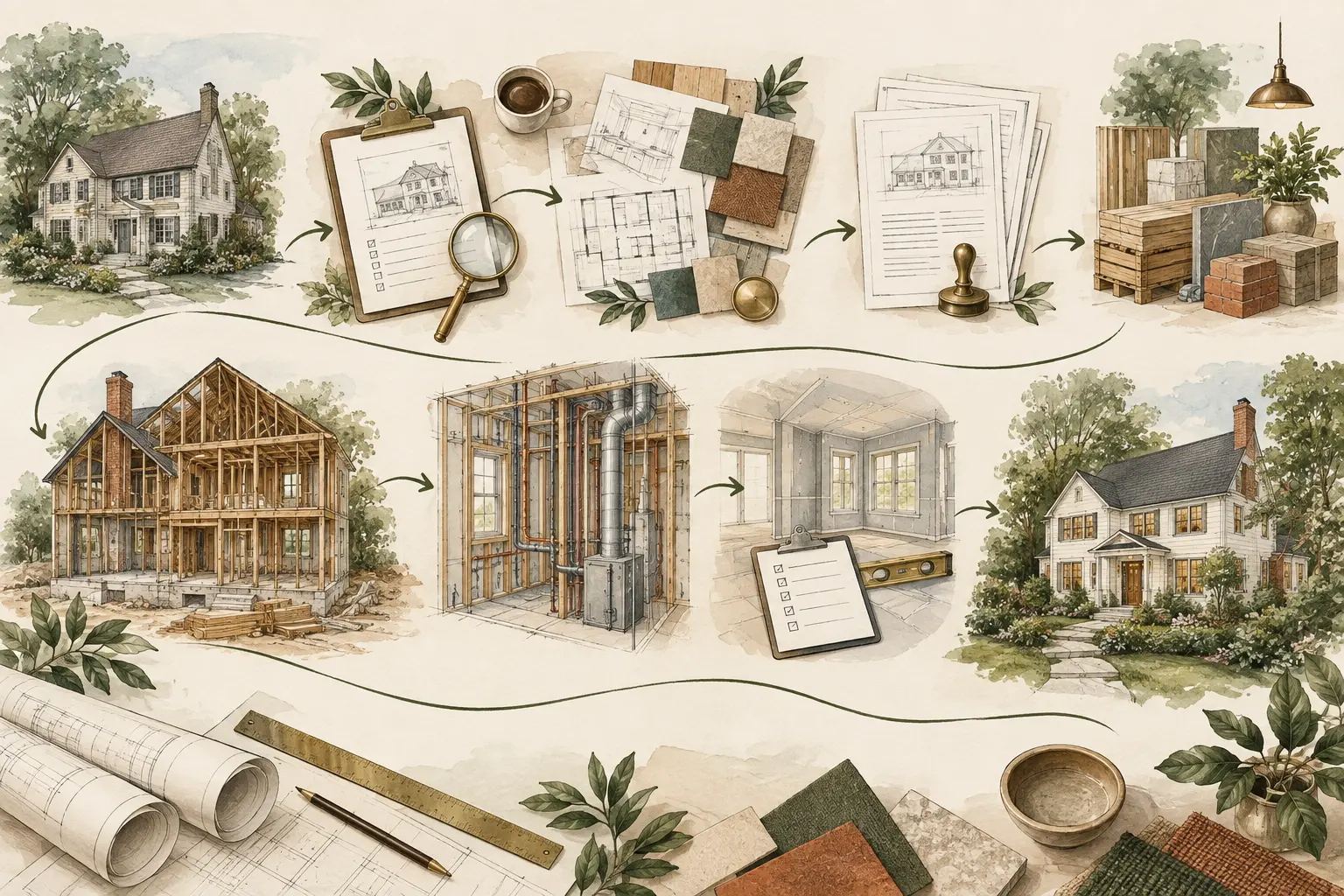

Why This Evaluation Matters
Not every home is an ideal candidate for a major renovation. Some homes have excellent structural foundations and flexible layouts, while others are constrained by site conditions, zoning regulations, or construction costs. An objective evaluation helps determine whether renovating is likely to achieve your goals.
Signs Your Home May Be a Good Candidate
- You love the neighborhood and want to stay.
- The home has a solid structural foundation.
- Most of your frustrations relate to layout or functionality.
- The property has room for improvements or expansion.
- Major systems can be upgraded without extraordinary cost.
- Your renovation goals align with the home's existing character.
Potential Challenges to Consider
Some conditions may increase the cost or complexity of a whole-home renovation.
- Foundation or structural deficiencies.
- Significant water or termite damage.
- Limited lot size or restrictive setbacks.
- Low ceiling heights or awkward structural framing.
- Outdated electrical, plumbing, or HVAC systems.
- Historic preservation or HOA restrictions.
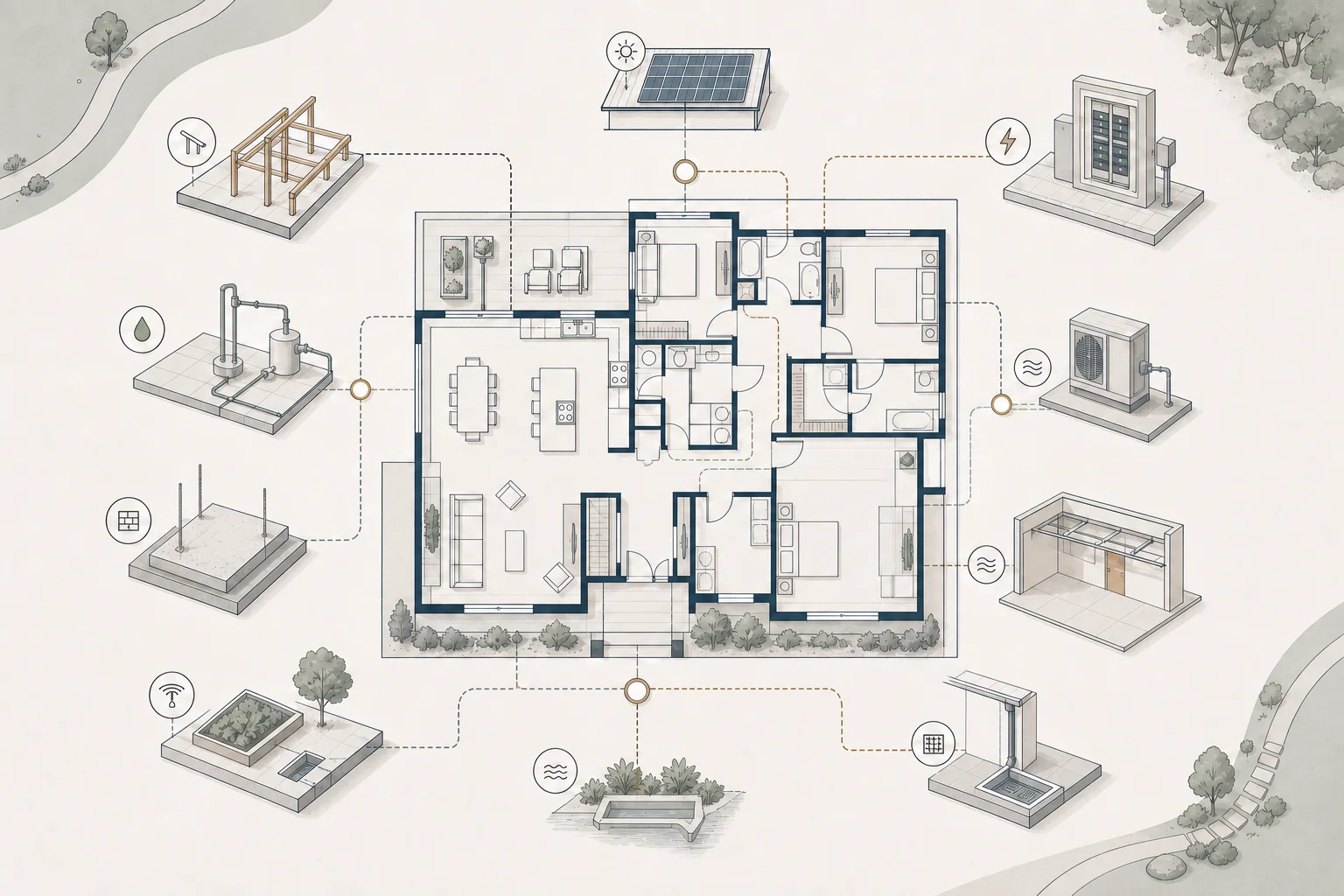
Evaluate the Property, Not Just the House
The home itself is only part of the equation. Consider how the property affects your options.
- Available yard space
- Topography and drainage
- Access for construction
- Parking requirements
- Utility locations
- Neighborhood compatibility
Think About Your Long-Term Goals
Ask yourself whether this renovation will support your family's needs for the next 10 to 20 years. Planning for future lifestyle changes often produces better decisions than focusing only on today's needs.
When Renovation May Not Be the Best Choice
- The home cannot reasonably support your desired layout.
- Expansion is prohibited by zoning or site constraints.
- Required repairs consume most of the renovation budget.
- The total investment significantly exceeds the home's long-term value for your goals.
- Another home would better meet your needs with fewer compromises.
California Consideration
California homeowners should evaluate local zoning regulations, setback requirements, lot coverage limits, seismic upgrades, wildfire requirements where applicable, and Title 24 energy standards. These factors can influence what is practical and financially worthwhile.
Questions to Ask Yourself
- Does this home have good 'bones'?
- Can the existing layout be improved without excessive structural work?
- Does the property provide enough flexibility for future needs?
- Am I renovating because I love this home, or because I feel stuck?
- Will this renovation still make sense ten years from now?
Common Misconceptions
Every house can become my dream home. Every property has physical and financial limitations that should be understood before planning.
If I have the budget, anything is possible. Many projects are limited by zoning, lot size, or structural conditions—not just money.
Older homes should always be replaced. Many older homes have excellent construction quality and can be successfully modernized with thoughtful planning.
I need all the answers before talking to professionals. An experienced renovation coach and design team can help evaluate possibilities before major decisions are made.
Foundation Tip
Don't fall in love with a floor plan before understanding your home's limitations. A realistic assessment early in the planning process leads to better design decisions, more accurate budgets, and fewer surprises during construction.
Closing Thought
Every successful whole-home renovation begins with an honest evaluation of the home you already own. By understanding both its strengths and its limitations, you can decide whether renovation is the right investment and move into the planning process with confidence.