Why Natural Light Matters
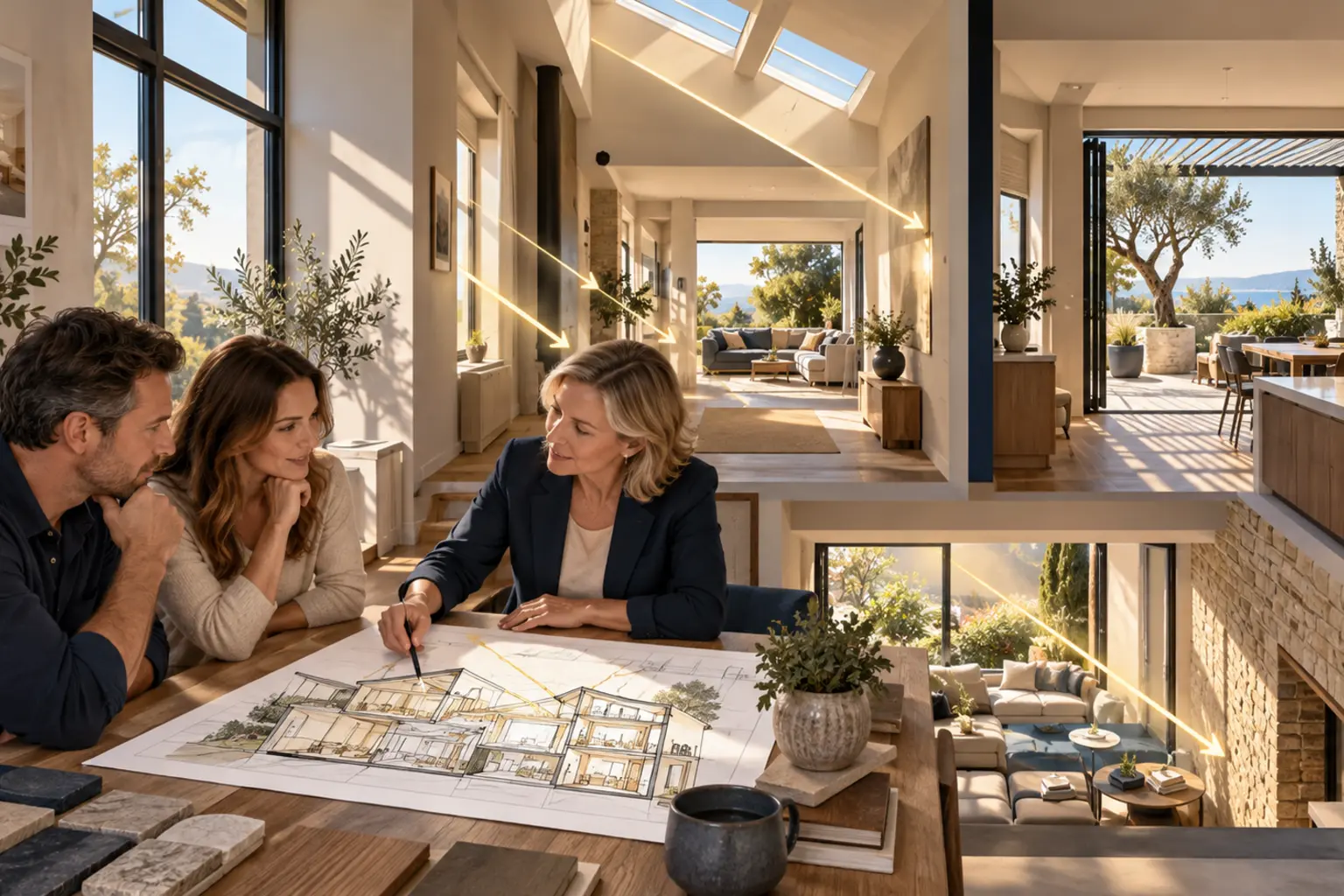
Natural light can make rooms feel larger, brighter, and more welcoming. It improves the connection between indoor and outdoor spaces, reduces the need for artificial lighting during the day, and can dramatically change how finishes, colors, and architectural details are experienced.
- Creates a greater sense of openness.
- Enhances the appearance of interior finishes.
- Improves views to the outdoors.
- Makes everyday living spaces feel more inviting.
- Can reduce daytime dependence on electric lighting.
Look Beyond Adding Windows
Many homeowners assume the only way to increase daylight is to install larger windows. In reality, thoughtful design decisions throughout the home often have an even greater impact.
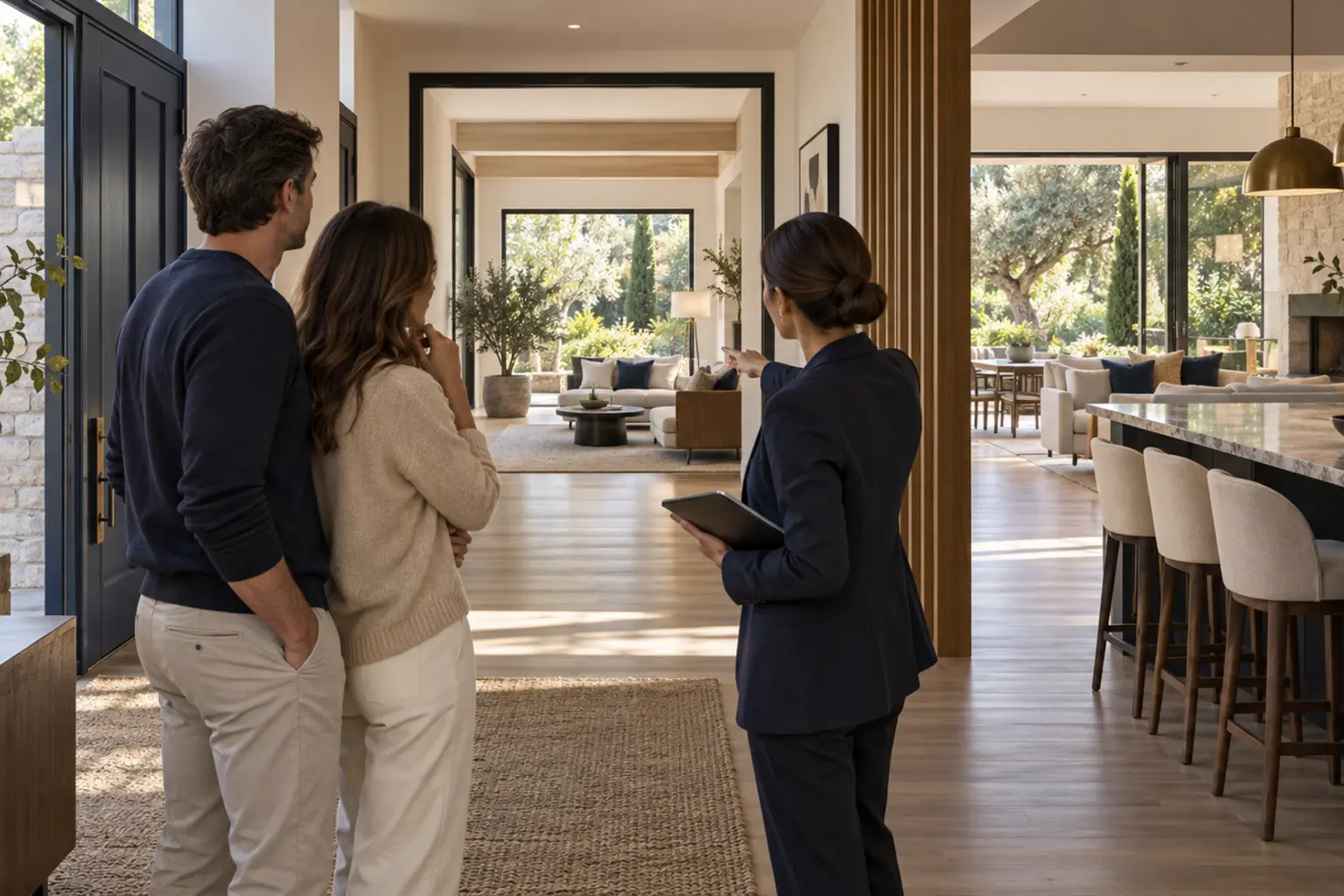
Improve Sight Lines Removing visual barriers allows daylight to travel farther into the home.
Open Interior Spaces Strategically widening openings between rooms can help distribute light without fully removing walls.
Reposition Windows Moving a window to better capture available sunlight may be more effective than simply making it larger.
Add Glass Doors Sliding, folding, or French doors can bring substantial daylight into primary living areas.
Consider Skylights or Solar Tubes In locations where wall windows aren't practical, overhead daylight can brighten interior rooms and hallways.
Use Reflective Surfaces Lighter finishes, mirrors, and appropriate paint colors help maximize available daylight.
Design With Orientation in Mind
The direction your home faces influences the quality and intensity of natural light throughout the day. During planning, consider where morning sun, afternoon sun, and seasonal changes will affect interior spaces. Good design balances abundant daylight with comfort, energy efficiency, and glare control.
Balance Light, Privacy, and Energy Efficiency
More glass is not always better. Window placement should also consider privacy, solar heat gain, insulation performance, and the home's overall energy strategy. In many climates, the best solution is finding the right balance rather than maximizing the amount of glass.
Coach's Perspective
I've found that homeowners often underestimate how dramatically natural light changes the feel of a home. Sometimes a relatively small design change—relocating a window, widening an opening, or adding a skylight—can have a greater impact than an expensive finish upgrade. Rather than asking how many windows to add, ask how daylight can be used to improve the way your home feels every day.
Questions to Ask Yourself
- Which rooms feel dark during the day?
- Could better sight lines help daylight reach deeper into the home?
- Would relocating a window provide a better view and more usable light?
- How will privacy and energy efficiency be affected?
- Are there opportunities to add daylight without major structural changes?
Common Misconceptions
Bigger windows always create a better design. Window placement is often more important than window size.
Natural light only affects appearance. It also influences comfort, mood, functionality, and the overall experience of a home.
Adding more glass is always the best solution. Too much glass can create glare, privacy concerns, and increased heat gain without thoughtful design.
Foundation Tip
When evaluating a renovation, don't focus only on square footage. Pay attention to how daylight enters and moves through the home. Thoughtful lighting design can make an existing space feel completely transformed.
Closing Thought
Natural light is one of the most powerful design tools available. By considering window placement, room relationships, home orientation, and the movement of daylight, you can create spaces that feel brighter, more comfortable, and more enjoyable for years to come.