What Are Sight Lines?
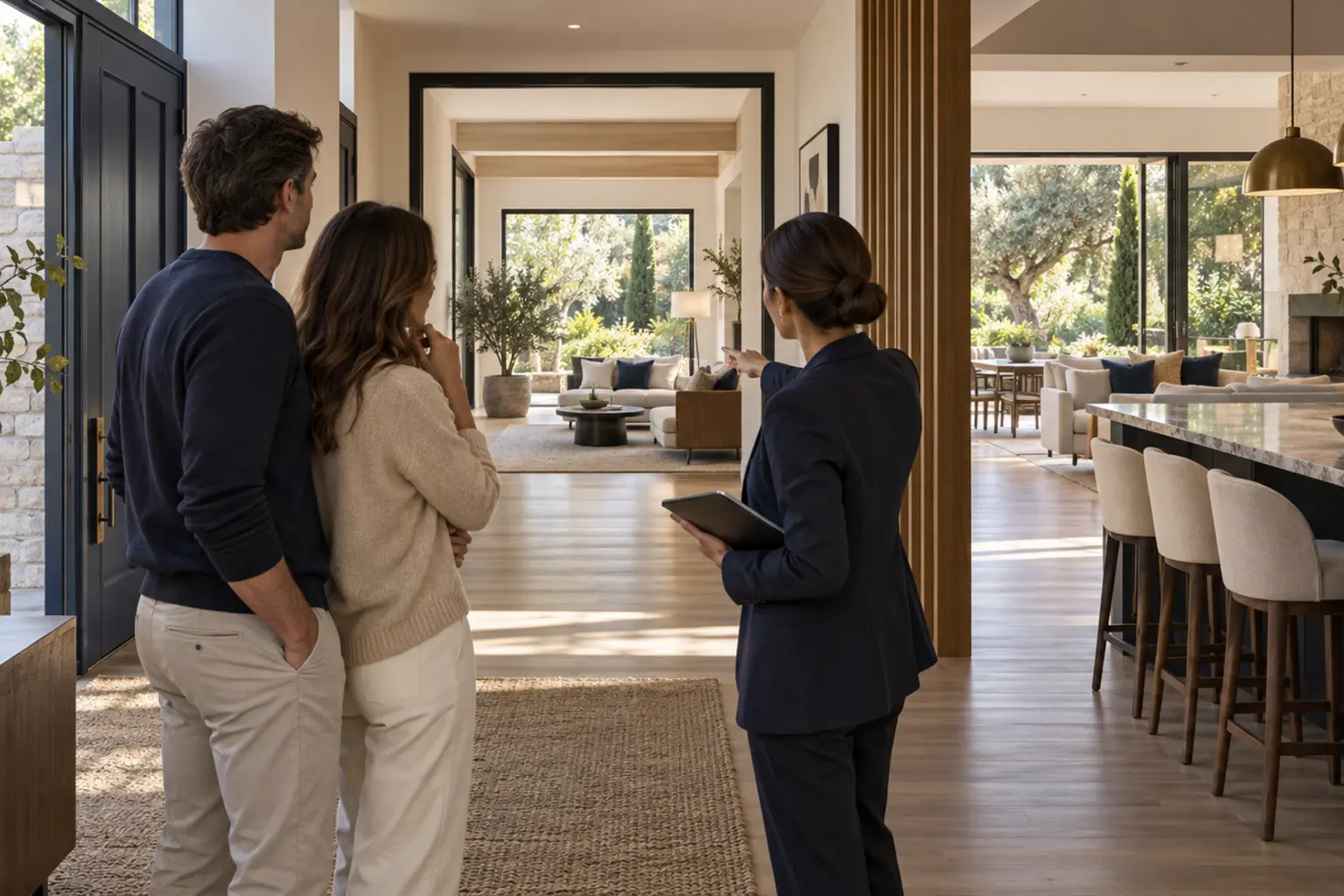
Sight lines are the views you experience as you move through your home. They determine what you see when you enter the front door, stand at the kitchen sink, sit in the living room, or look down a hallway. Thoughtful sight lines create a sense of openness and connection, while poor sight lines can make a home feel cramped, disconnected, or visually cluttered.
Why Sight Lines Matter
When planning a whole-home renovation, homeowners often focus on room sizes and finishes. Equally important is what you can actually see from each space. Improving sight lines can dramatically change how a home feels without adding a single square foot.
- Make rooms feel larger and more open.
- Increase natural light throughout the home.
- Improve visual connections between family members.
- Create stronger indoor-outdoor relationships.
- Enhance safety by improving visibility.
- Highlight architectural features or views.
Design Opportunities to Improve Sight Lines
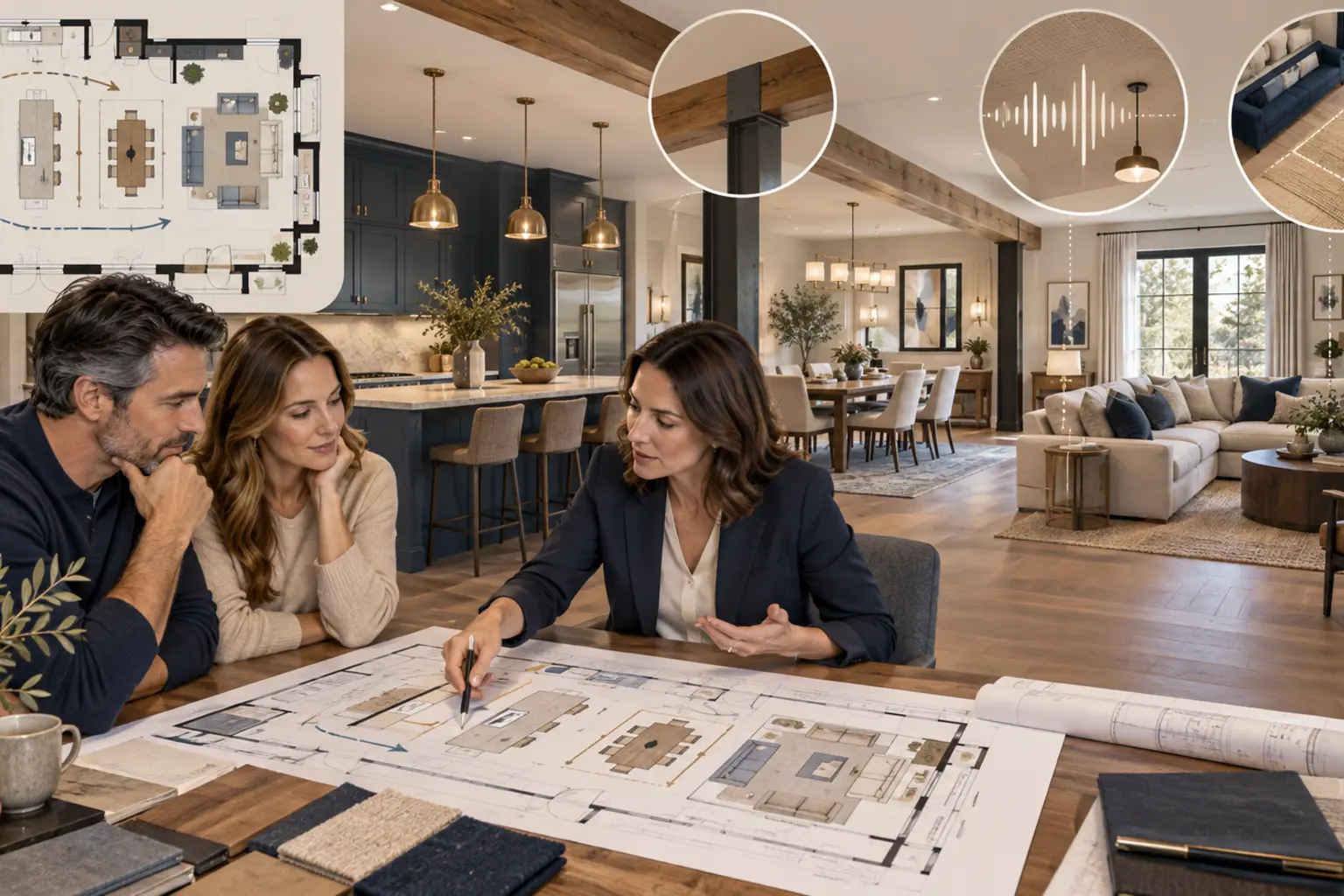
Reposition Walls and Openings Moving a doorway or widening an opening can dramatically improve visual connections between rooms.
Frame Important Views Direct attention toward a fireplace, backyard, garden, or another architectural feature rather than a blank wall.
Reduce Visual Clutter Built-in storage, thoughtful furniture placement, and minimizing unnecessary walls help create cleaner views.
Consider Window Placement Adding or relocating windows can improve both views and daylight throughout the home.
Balance Openness and Privacy Not every room should be visible from every other room. Bedrooms, bathrooms, and home offices often benefit from greater privacy.
Sight Lines and Family Living
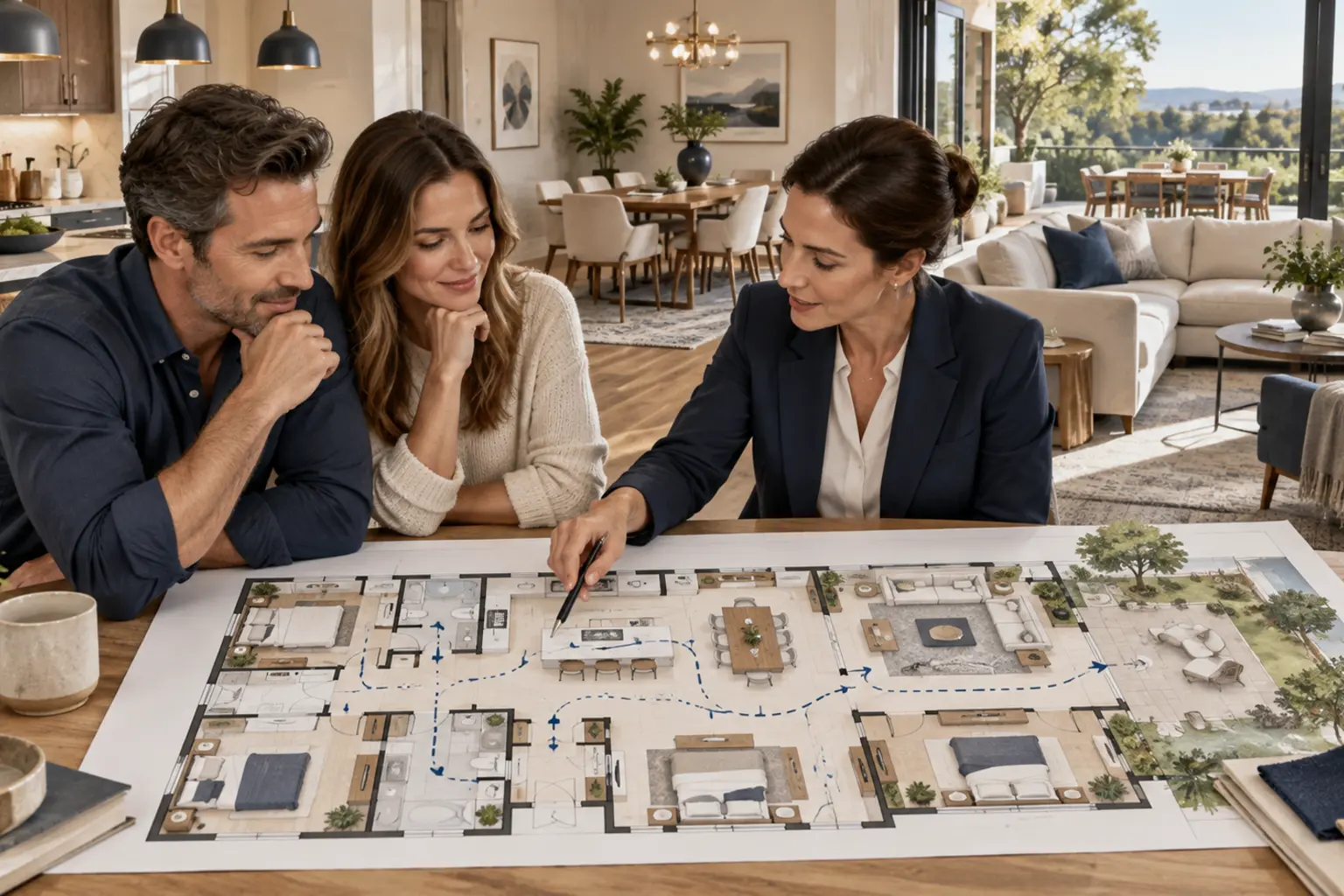
Good sight lines are about more than aesthetics. Parents may want to supervise children while cooking, homeowners may want to enjoy backyard views from the kitchen, or family members may simply appreciate feeling connected while using different spaces. Designing with these daily experiences in mind helps create a home that supports the way people actually live.
Coach's Perspective
One question I often ask homeowners is, 'What do you want to see when you walk through your front door?' Surprisingly, many people have never considered it. Sometimes a simple change—like relocating a doorway or widening an opening—can completely transform the experience of entering a home. Great renovations don't just create beautiful rooms; they create memorable experiences as you move through the house.
Questions to Ask Yourself
- What do I see when I enter my home?
- Are there views I want to emphasize or hide?
- Can I supervise children from the spaces where I spend the most time?
- Do important rooms feel visually connected?
- Could a small layout change improve the way the entire home feels?
Common Misconceptions
Open floor plans automatically create good sight lines. Large open spaces can still feel awkward if important views are blocked or poorly organized.
Sight lines only affect appearance. They also influence safety, supervision, natural light, and how spacious a home feels.
Improving sight lines always requires removing walls. Sometimes relocating a doorway or changing a window provides a significant improvement.
Foundation Tip
As you review your floor plan, imagine standing in each room and looking around. Think about what you want to see—and just as importantly, what you don't want to see. Designing intentional sight lines helps create a home that feels welcoming, functional, and connected.
Closing Thought
Sight lines are one of the most overlooked aspects of residential design, yet they have a tremendous influence on how a home feels every day. By planning what people see as they move through the home, you can create spaces that are brighter, more comfortable, and more enjoyable to live in.