Foundation's Recommendation
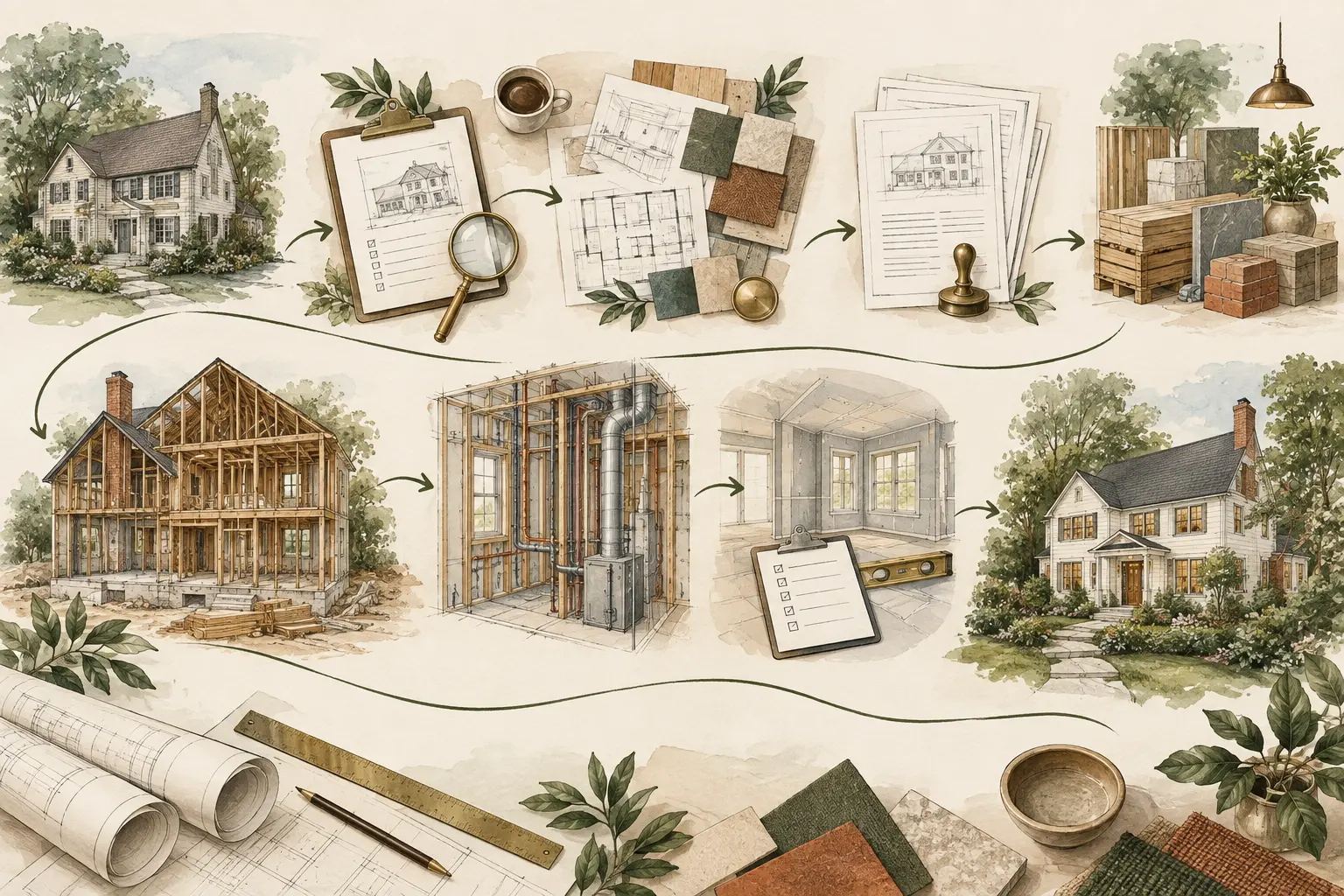
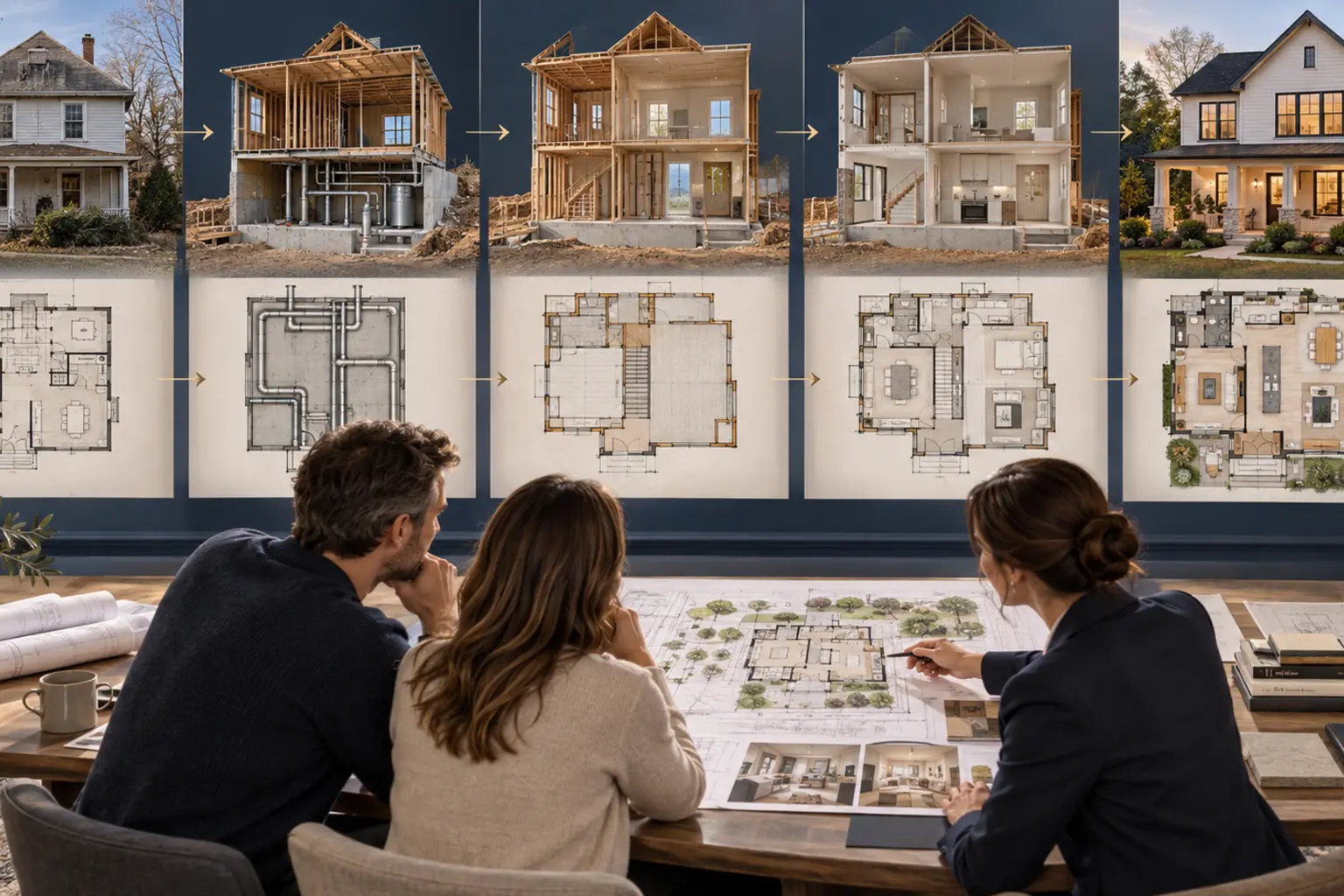
Whenever practical, Foundation Renovation Coaching recommends completing as much of a whole-home renovation as possible during a single, well-planned construction project. Although this often requires a larger upfront investment, it typically results in lower overall costs, better coordination, less disruption, and a more cohesive finished home.
Why One Comprehensive Project Is Often Better
- Lower overall construction costs by reducing duplicate labor, mobilization, and setup.
- One permitting process and one construction schedule.
- Better coordination between trades and building systems.
- A more consistent design throughout the home.
- Less disruption to your family's daily life.
- Reduced risk of inflation increasing future construction costs.
- Fewer areas that require temporary repairs or future demolition.
When Phasing Makes Sense
Despite the advantages of completing a renovation all at once, there are situations where phasing is the right decision.
- Budget limitations make completing the entire project impossible today.
- You need to remain in the home during construction.
- Future additions or site improvements will occur later.
- Permitting or regulatory requirements delay portions of the project.
- Major life events require postponing part of the renovation.
Plan the Entire Renovation First
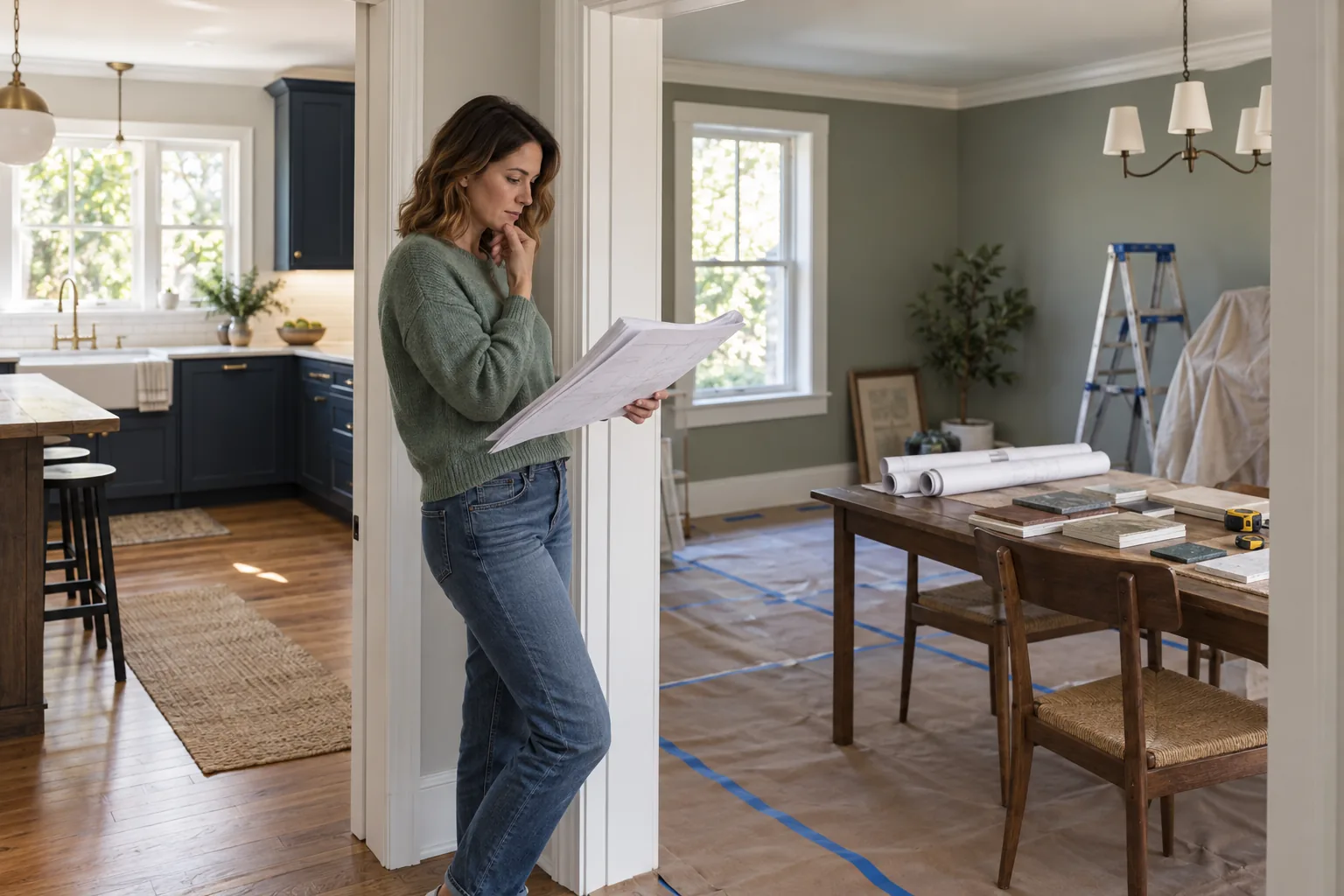
If phasing is necessary, develop a complete master plan before beginning construction. Planning the entire renovation upfront ensures each phase supports the long-term vision and avoids costly conflicts between today's work and tomorrow's improvements.
Examples of Smart Planning
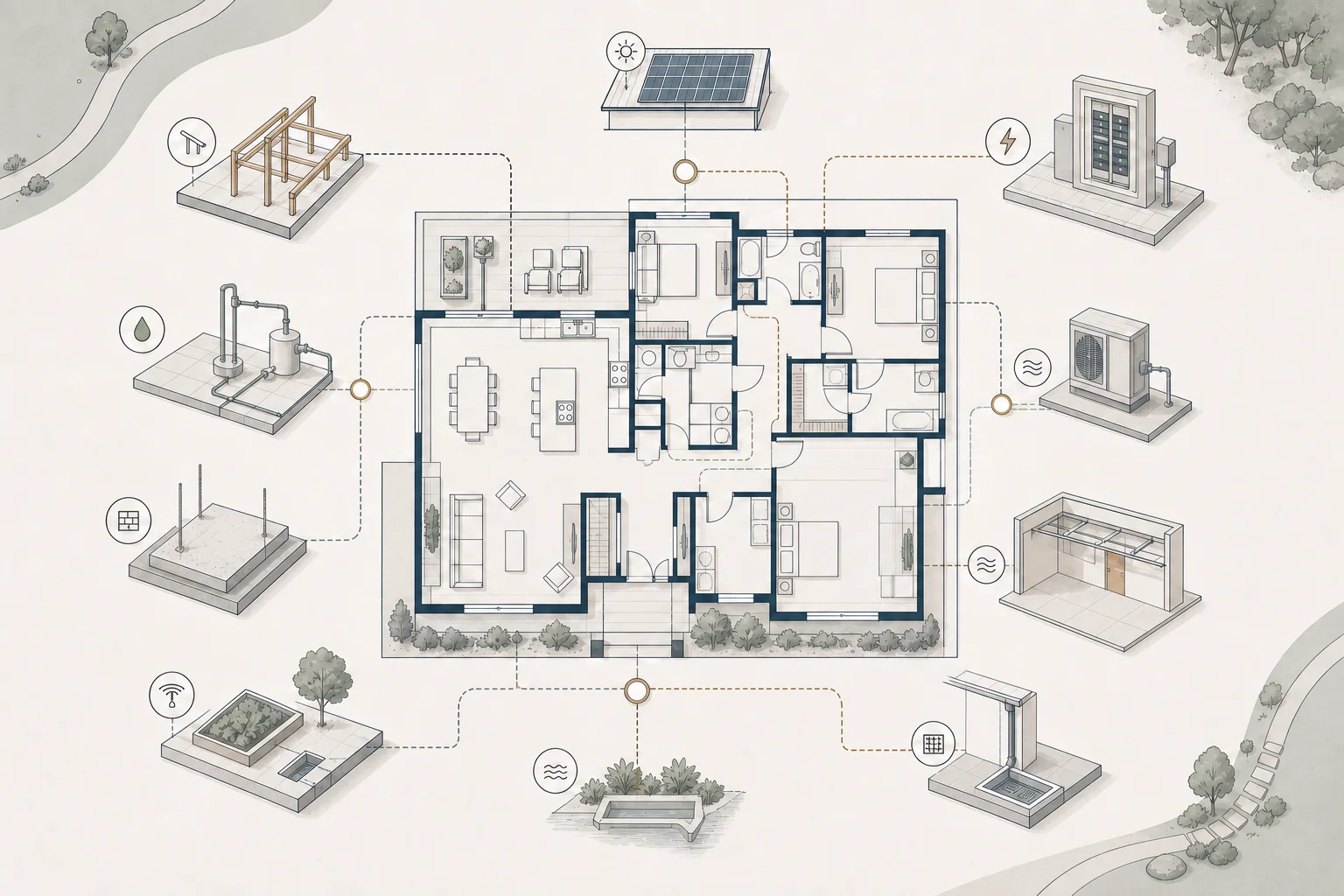
- Upgrade the electrical panel today for future expansion.
- Install plumbing rough-ins while walls are already open.
- Frame future openings before drywall is installed.
- Coordinate flooring, trim, and finish transitions between future phases.
- Size HVAC equipment with future renovations in mind when appropriate.
Common Mistakes When Phasing
- Designing each phase as a separate project.
- Installing finishes that will later be removed.
- Replacing flooring before structural or mechanical work.
- Failing to account for future electrical or plumbing needs.
- Making decisions based only on today's budget instead of the long-term vision.
Questions to Ask Yourself
- Can I realistically complete the renovation in one project?
- If I must phase the work, have I developed a complete master plan first?
- What improvements should happen before cosmetic upgrades?
- Will today's work create unnecessary costs during future phases?
- Am I saving money by phasing—or simply delaying expenses?
Common Misconceptions
Phasing always saves money. While phasing can improve cash flow, it often increases the total cost of the renovation over time.
I only need to plan the phase I'm working on. Successful phased renovations begin with a complete vision for the entire home.
Small projects don't affect future renovations. Even minor improvements can complicate future work if they are not coordinated.
I can always figure out the next phase later. Waiting to plan future phases often leads to duplicate work and missed opportunities.
Foundation Tip
Plan the entire renovation once. Build it in phases only if you have to. A complete master plan gives you the flexibility to adjust the construction schedule without losing sight of your long-term goals.
Closing Thought
Phasing can be a valuable tool, but it should be a strategic decision rather than the default approach. By developing a complete vision for your home first, you can decide whether completing the renovation all at once or in carefully planned phases provides the greatest value for your family and your investment.