What Does Future-Proofing Mean?
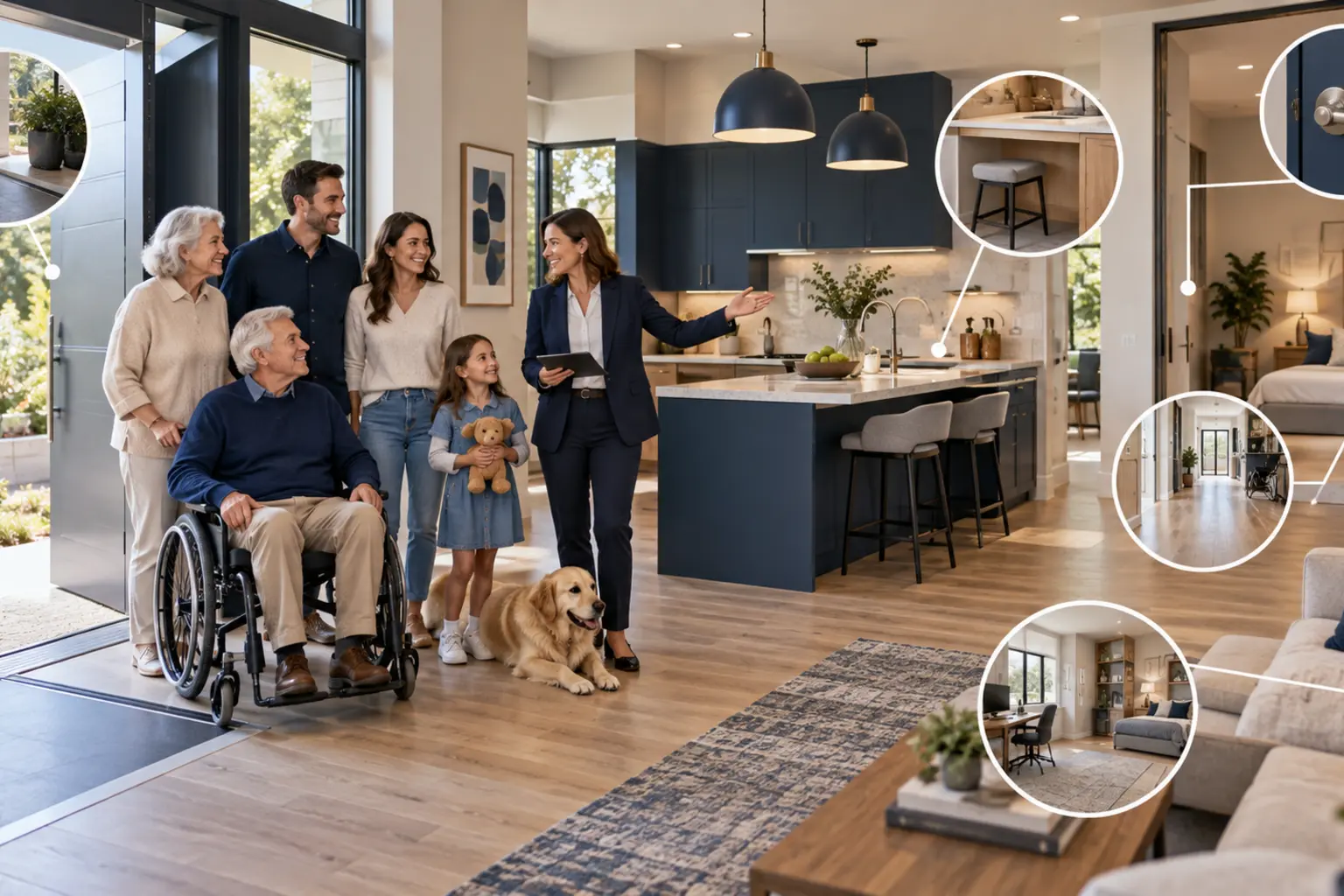
Future-proofing means designing your home so it can adapt to changing needs over time. Families grow, children move out, careers change, technology evolves, and homeowners often remain in their homes longer than expected. A renovation should consider not only how you live today, but how your needs may change over the next 10, 20, or even 30 years.
Why Future-Proofing Matters
Some future-ready features add very little cost when incorporated during a renovation but can be expensive or disruptive to install later.
- Reduces the likelihood of future remodeling.
- Creates greater flexibility as your lifestyle changes.
- Makes future upgrades easier and less expensive.
- Supports long-term comfort and functionality.
- Can improve the home's long-term value and appeal.
Opportunities to Future-Proof Your Home
Plan for Changing Family Needs Consider flexible rooms that can transition from a nursery to a home office, guest room, or hobby space.
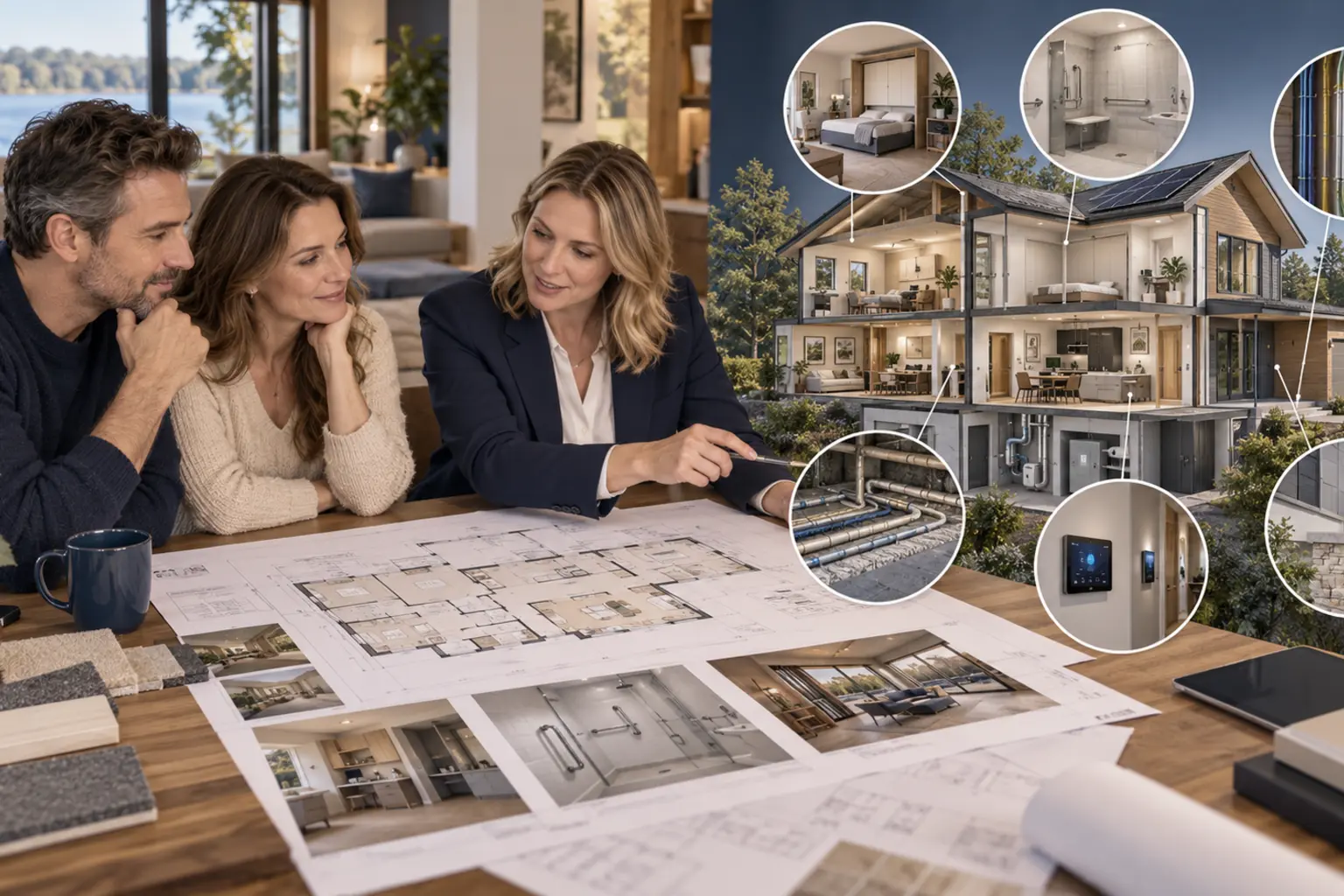
Think About Technology Install conduit, extra electrical capacity, or structured wiring where future technology upgrades may be desirable.
Prepare for Electric Vehicles If practical, consider electrical capacity or conduit for a future EV charger.
Leave Access to Utilities Avoid burying plumbing, electrical junctions, or mechanical equipment behind permanent finishes whenever possible.
Include Future-Ready Framing Simple framing changes can make future additions, grab bars, cabinetry, or other improvements easier.
Design Flexible Storage Storage needs often change over time. Adjustable shelving and adaptable cabinetry provide long-term flexibility.
Think Beyond Today's Furniture Consider how rooms may be arranged differently as your needs evolve.
Future-Proofing Isn't About Adding Everything
A future-ready home is not one filled with every available feature. Instead, it is a home where thoughtful planning makes future improvements easier if they become necessary. Focus on changes that are inexpensive during construction but costly after the walls are closed.
Coach's Perspective
One of the questions I often ask homeowners is, 'If you stay in this home longer than you expect, will it still work for you?' Very few people can predict exactly what life will look like in twenty years, but we can identify improvements that provide flexibility with very little additional investment today. Some of the smartest renovation decisions are the ones you may never notice because they quietly make future changes easier.
Questions to Ask Yourself
- How long do I realistically expect to own this home?
- Could any rooms serve multiple purposes in the future?
- Are there inexpensive improvements I can make while the walls are open?
- Will my electrical, plumbing, and mechanical systems support future upgrades?
- Am I solving only today's problems, or preparing for tomorrow as well?
Common Misconceptions
Future-proofing means spending more money. Many future-ready improvements are inexpensive during construction and save money later.
I need to predict the future. The goal is flexibility, not perfect forecasting.
Future-proofing only matters for older homeowners. Every homeowner benefits from a home that can adapt as life changes.
Foundation Tip
When evaluating a renovation decision, ask one simple question: 'Will this be easier to do now, while everything is open, or after construction is complete?' If the answer is 'now,' it may be worth including in your project—even if you don't need it immediately.
Closing Thought
Future-proofing is about creating options. By making thoughtful decisions during planning and construction, you can build a home that adapts to life's changes, reduces future remodeling costs, and continues to serve your family for many years to come.