What Is Universal Design?
Universal design is the practice of designing homes that are easy to use, comfortable, and accessible for the widest range of people possible. Unlike accessibility modifications that are often added later, universal design incorporates these ideas into the original renovation plan, creating spaces that remain functional as families grow and lifestyles change.
Why Universal Design Matters
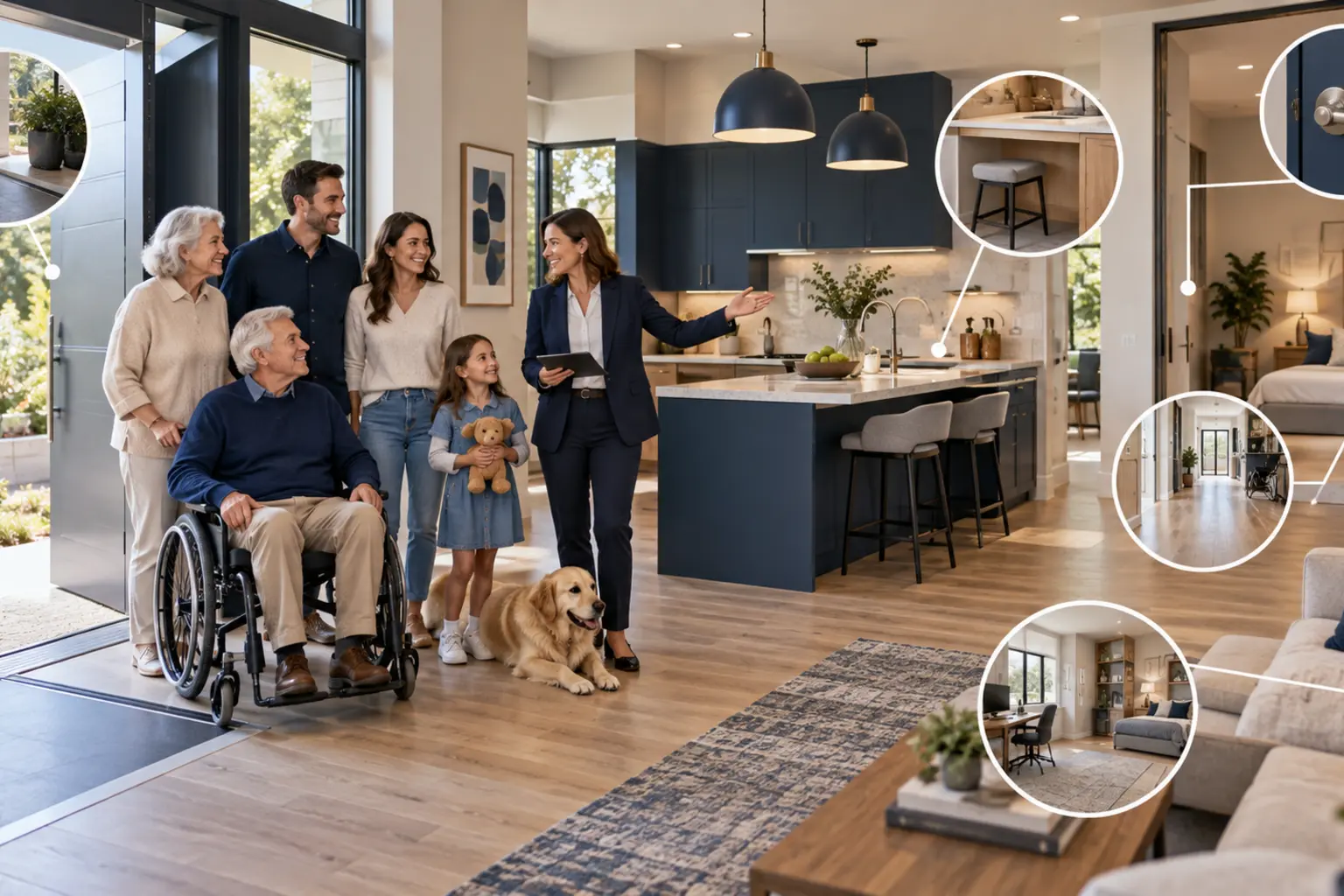
Many homeowners think universal design is only for seniors or individuals with disabilities. In reality, its principles benefit nearly everyone, from young children and busy families to guests, aging parents, and homeowners who simply want a more comfortable home.
- Creates safer, more comfortable living spaces.
- Supports homeowners through every stage of life.
- Improves usability without sacrificing aesthetics.
- Reduces the need for future remodeling.
- Can increase the long-term appeal and marketability of the home.
Common Universal Design Features
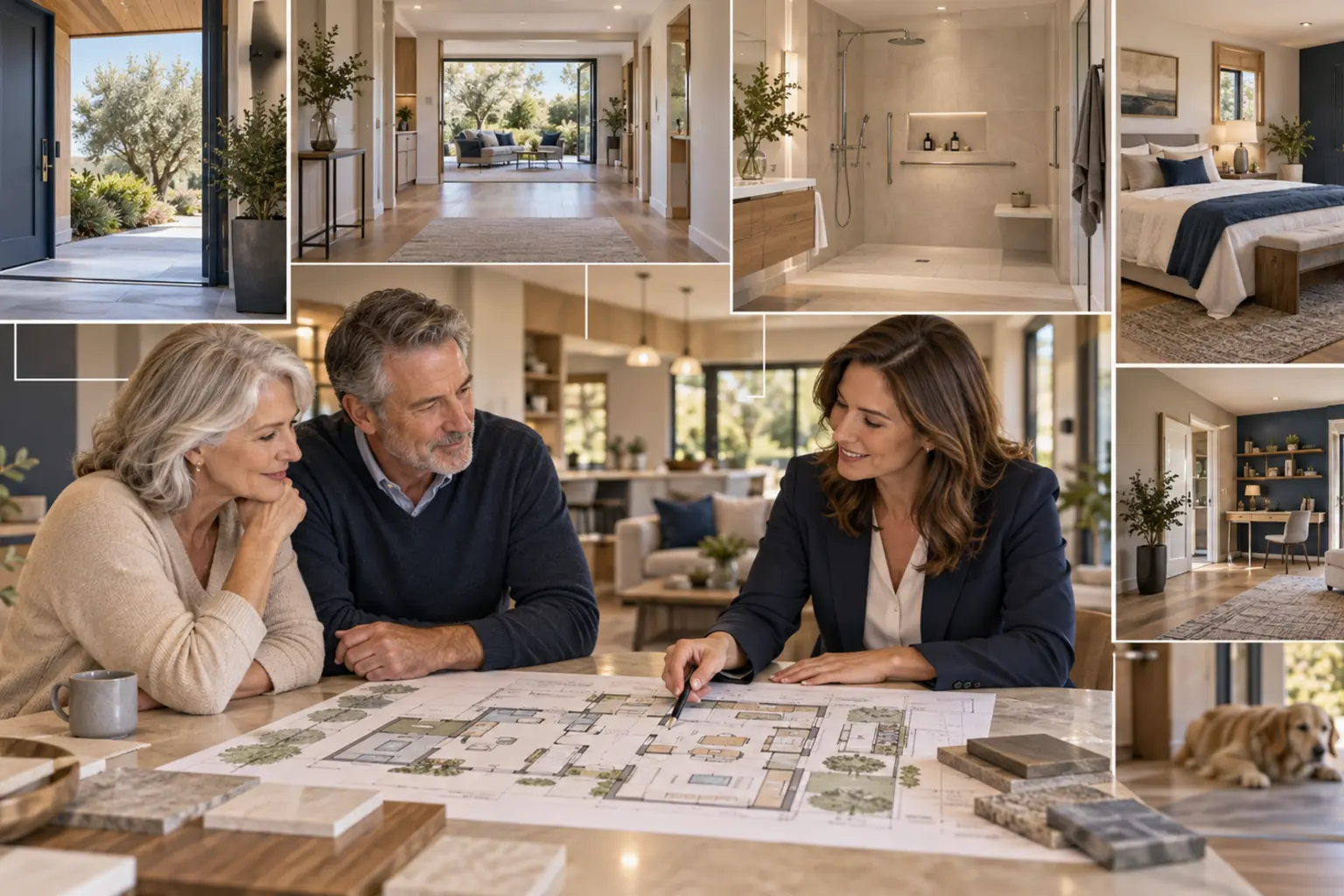
No-Step Entries Reduce tripping hazards and improve accessibility for strollers, groceries, and mobility devices.
Wider Doorways and Hallways Provide more comfortable movement throughout the home.
Lever-Style Door Handles Easier to operate than traditional round knobs.
Thoughtful Lighting Improve visibility with layered lighting and well-placed switches.
Comfort-Height Fixtures Toilets, vanities, and work surfaces can improve comfort for a wide range of users.
Curbless Showers Offer easier access while creating a clean, modern appearance.
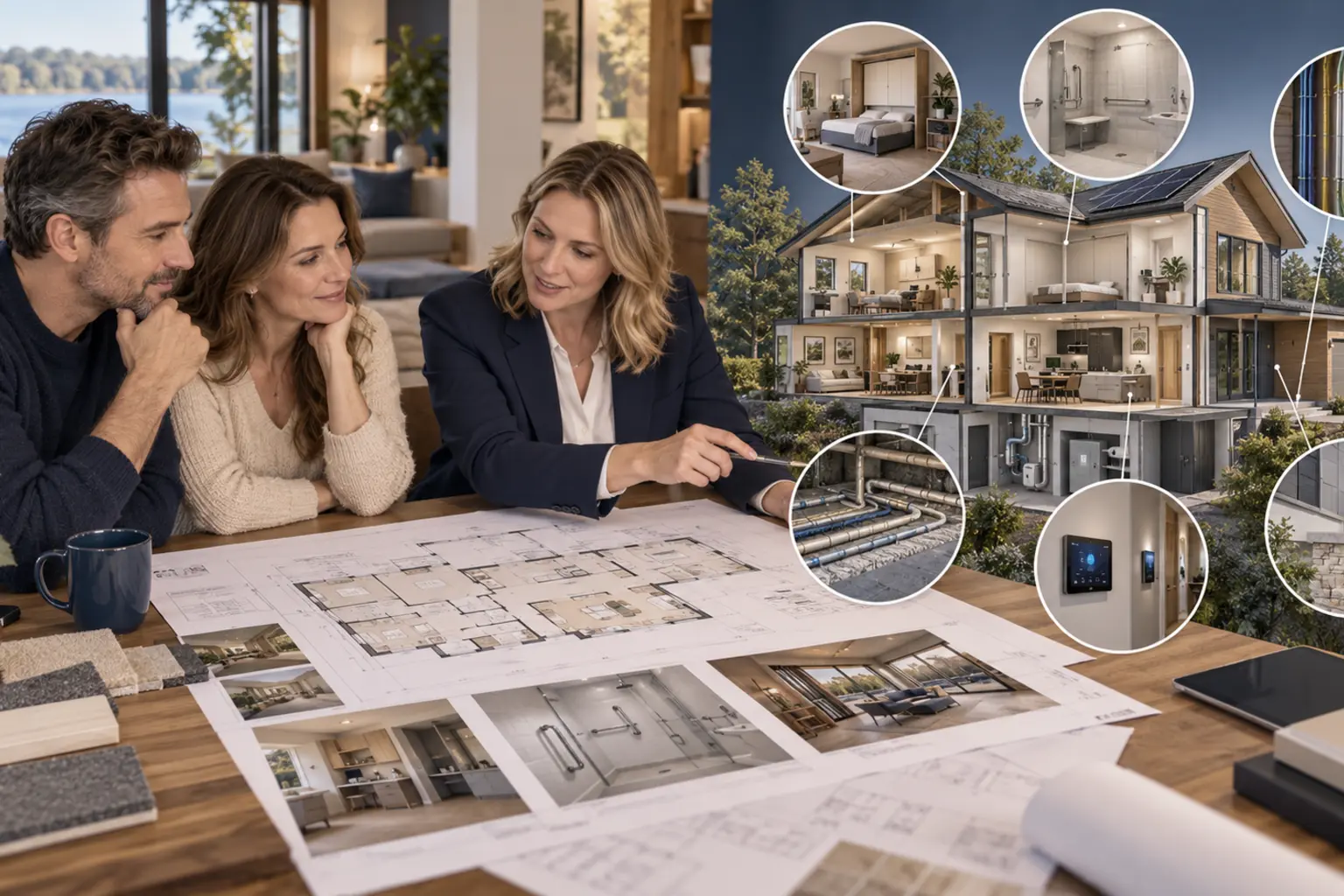
Reinforced Bathroom Walls Allow future grab bars to be installed without major demolition if needed.
Accessible Storage Frequently used items are easier to reach without excessive bending or climbing.
Universal Design vs. Aging in Place
Although the two concepts are related, they are not the same. Aging in place focuses on allowing homeowners to remain in their homes as they grow older. Universal design takes a broader approach by creating spaces that are functional and welcoming for people of all ages, abilities, and life circumstances.
Good Design Shouldn't Look Institutional
One of the biggest misconceptions about universal design is that it creates a clinical or institutional appearance. Today's products and design approaches allow homeowners to incorporate accessibility features while maintaining the style and character of their home.
Coach's Perspective
One of the best times to incorporate universal design is during a major renovation, even if you don't think you'll need these features for decades. Many universal design improvements cost very little when included during construction but can be expensive to add later. Good design anticipates future needs without making today's home feel compromised.
Questions to Ask Yourself
- Will this home continue to meet my family's needs 10 or 20 years from now?
- Are there simple improvements that would make everyday living easier?
- Do any family members or frequent guests have mobility or accessibility needs?
- Can I include future-ready features now while the walls are open?
- Would these improvements make my home more comfortable without changing its appearance?
Common Misconceptions
Universal design is only for seniors. Universal design benefits people of every age and ability.
Accessible homes look institutional. Modern products blend accessibility with attractive residential design.
These features are expensive. Many universal design elements add little cost when incorporated during a renovation.
Foundation Tip
As you make renovation decisions, ask yourself whether a small adjustment today could improve comfort, safety, or usability for years to come. Many of the best universal design features are almost invisible—but you'll appreciate them every day.
Closing Thought
Universal design isn't about planning for limitations—it's about creating a home that supports the people who live there throughout every stage of life. By thinking beyond today's needs, you can build a home that remains comfortable, functional, and welcoming for decades to come.