Why Plan for Aging in Place?
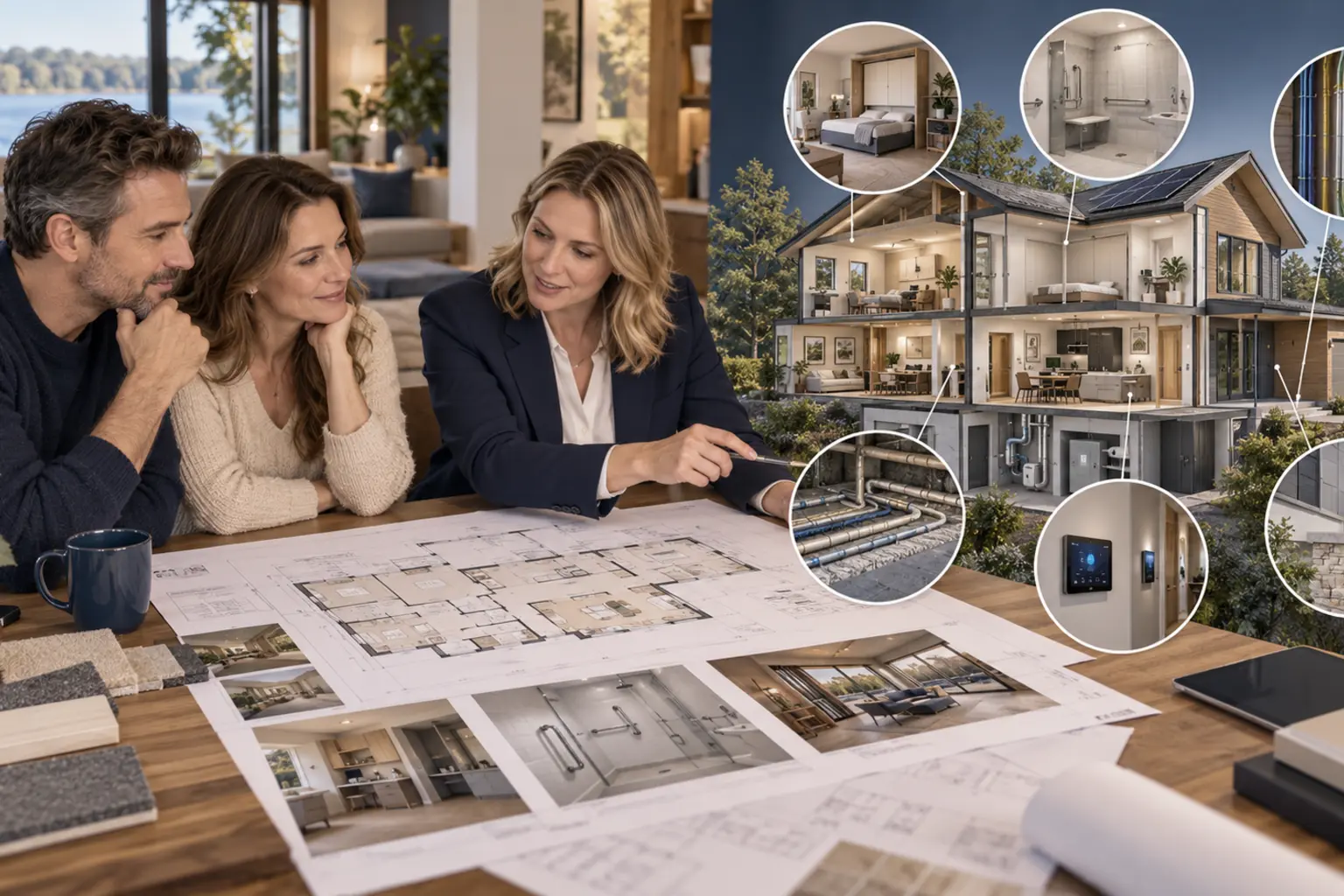
A whole-home renovation is one of the best opportunities to incorporate features that improve accessibility and flexibility. Many of these improvements can be made with little additional cost during a renovation but can be expensive to retrofit later.
What Does Aging in Place Mean?
Aging in place means designing a home that can adapt to changing mobility, strength, vision, and health needs without requiring a major remodel or move. The goal is to create a home that remains functional for as long as possible while maintaining comfort and independence.
Design Strategies
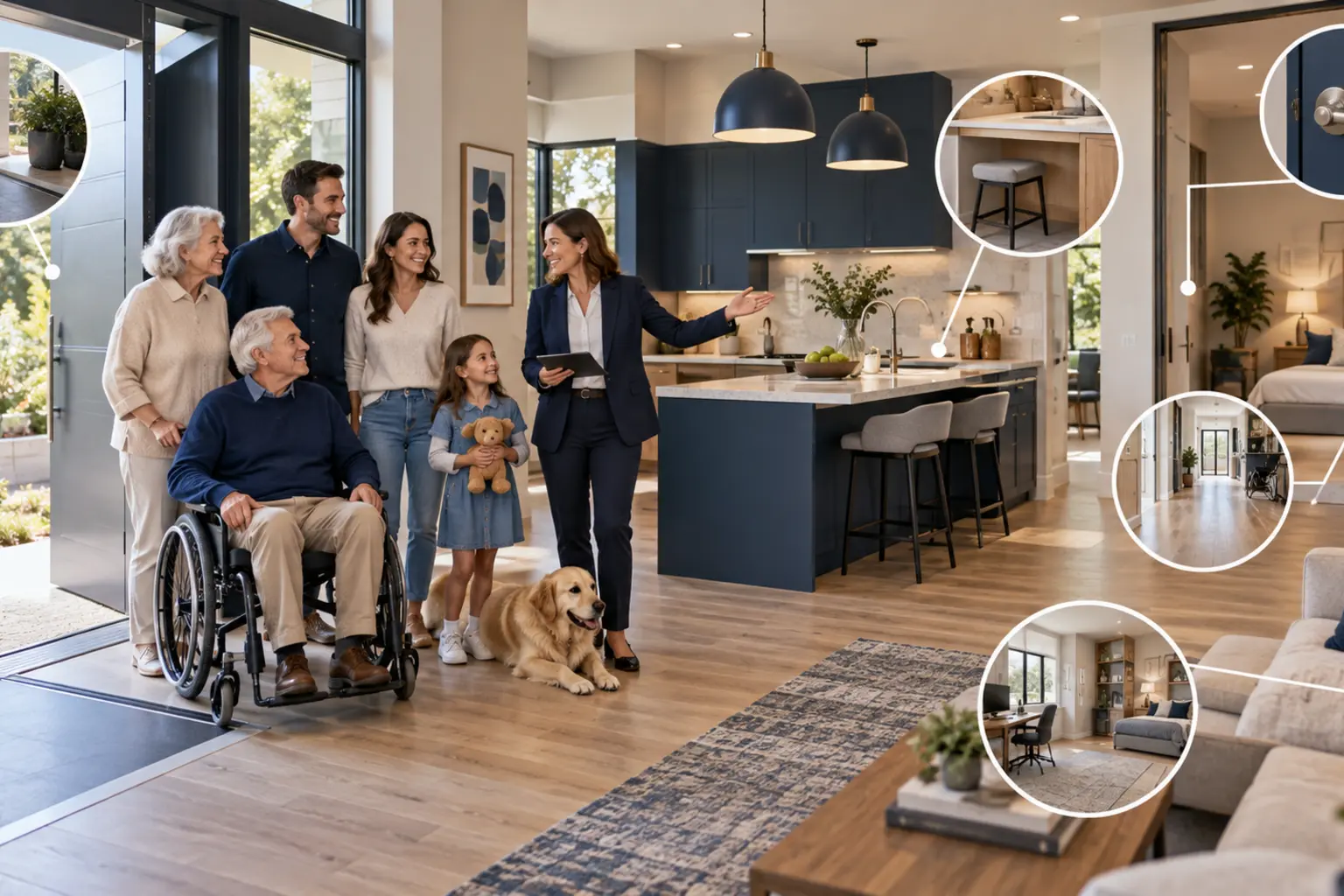
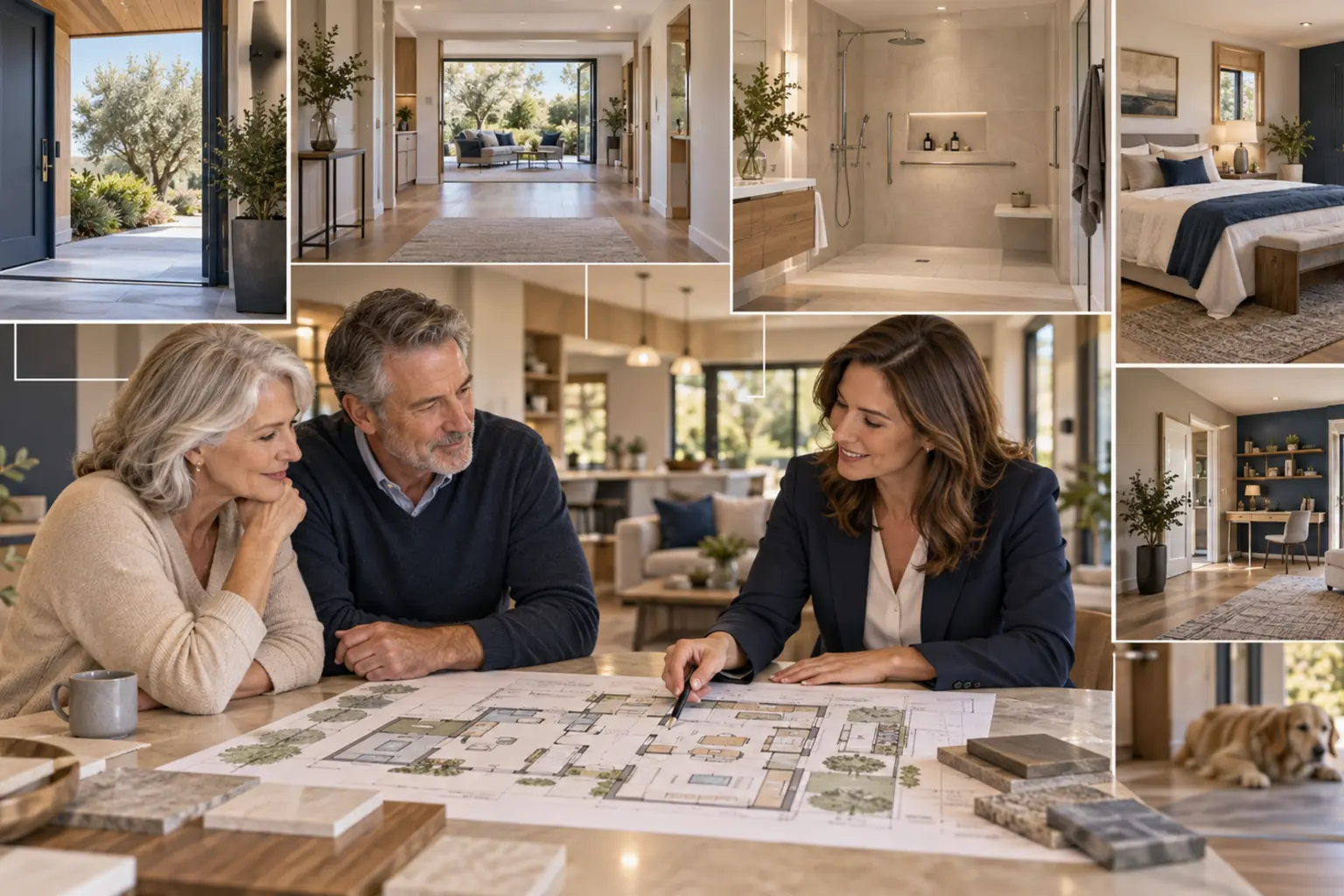
- Step-Free Access: Minimize steps at entries and consider zero-threshold transitions where practical.
- Wider Doorways and Hallways: Provide comfortable circulation for strollers today and mobility devices in the future.
- Accessible Bathrooms: Consider curbless showers, blocking for future grab bars, handheld shower heads, and comfort-height toilets.
- Functional Kitchens: Plan adequate clearances, good lighting, and work areas that reduce bending and reaching.
- Lighting: Increase natural and artificial lighting to improve visibility and safety.
- Lever Hardware: Lever-style handles are easier to operate than traditional knobs.
- Main-Level Living: When possible, include a bedroom, full bathroom, and laundry on the primary living level.
- Flexible Spaces: Design rooms that can adapt to changing needs over time.
Universal Design vs. Aging in Place
Many aging-in-place concepts are based on universal design principles, which create spaces that are easier and more comfortable for people of all ages and abilities. Features such as wider hallways, better lighting, and barrier-free showers benefit children, guests, and homeowners alike—not just older adults.
Coach's Perspective
Many homeowners hesitate to discuss aging in place because they associate it with giving up independence. I see it differently. The best aging-in-place features are often invisible. They're thoughtful design decisions that make a home safer, more comfortable, and more adaptable without making it feel institutional. Planning ahead during a renovation is almost always less expensive than reacting to a life change later.
Questions to Ask Yourself
- Could I comfortably live on one level if my mobility changed?
- Am I making choices that will still work 10–20 years from now?
- Which accessibility features can be added now with little additional cost?
- Would these improvements also make the home easier for guests or family members?
- Am I designing only for today, or for the life I hope to live in this home?
Common Misconceptions
Aging in place is only for seniors. Homeowners of any age can benefit from planning for future flexibility.
Accessible design makes a home look institutional. Many modern accessibility features are attractive and blend seamlessly into residential design.
I'll add these features later if I need them. Many are far easier and less expensive to include during a major renovation.
These improvements reduce resale value. Thoughtful universal design often broadens a home's appeal rather than limiting it.
Foundation Tip
Think of aging-in-place features as future-proofing your home. You may never need every feature, but incorporating the right ones during a renovation can increase comfort, flexibility, and long-term value for years to come.
Closing Thought
Designing for aging in place isn't about preparing to grow old—it's about creating a home that continues to support your lifestyle through every stage of life. A little planning today can provide greater independence, comfort, and peace of mind tomorrow.