Why a Master Plan Matters
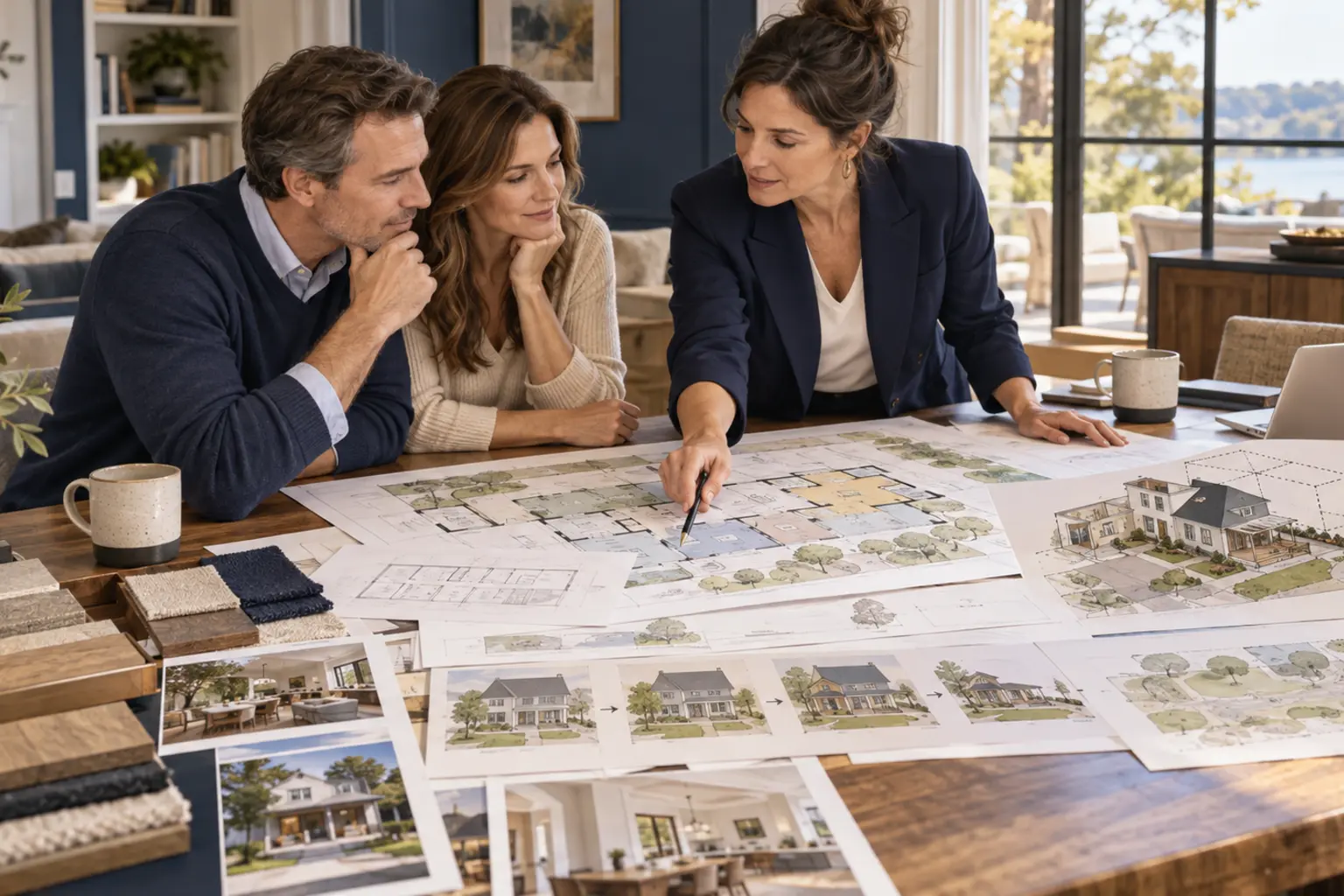
Many homeowners renovate one room at a time without considering how future projects may affect today's decisions. A master plan coordinates renovations, additions, system upgrades, and future improvements so they work together instead of creating unnecessary rework or added expense.
Think Beyond the Current Project
Even if your immediate goal is a kitchen remodel or a new primary suite, consider how future projects may connect together.
- Will you eventually remodel every bathroom?
- Do you anticipate adding square footage?
- Will the electrical service support future upgrades?
- Will today's flooring continue into future rooms?
- Will future HVAC improvements require work completed today?
Create a Long-Term Vision
Imagine how you want your home to function five, ten, or even twenty years from now. Your master plan should support your long-term lifestyle rather than simply addressing today's frustrations.
- Family growth or children leaving home
- Working from home
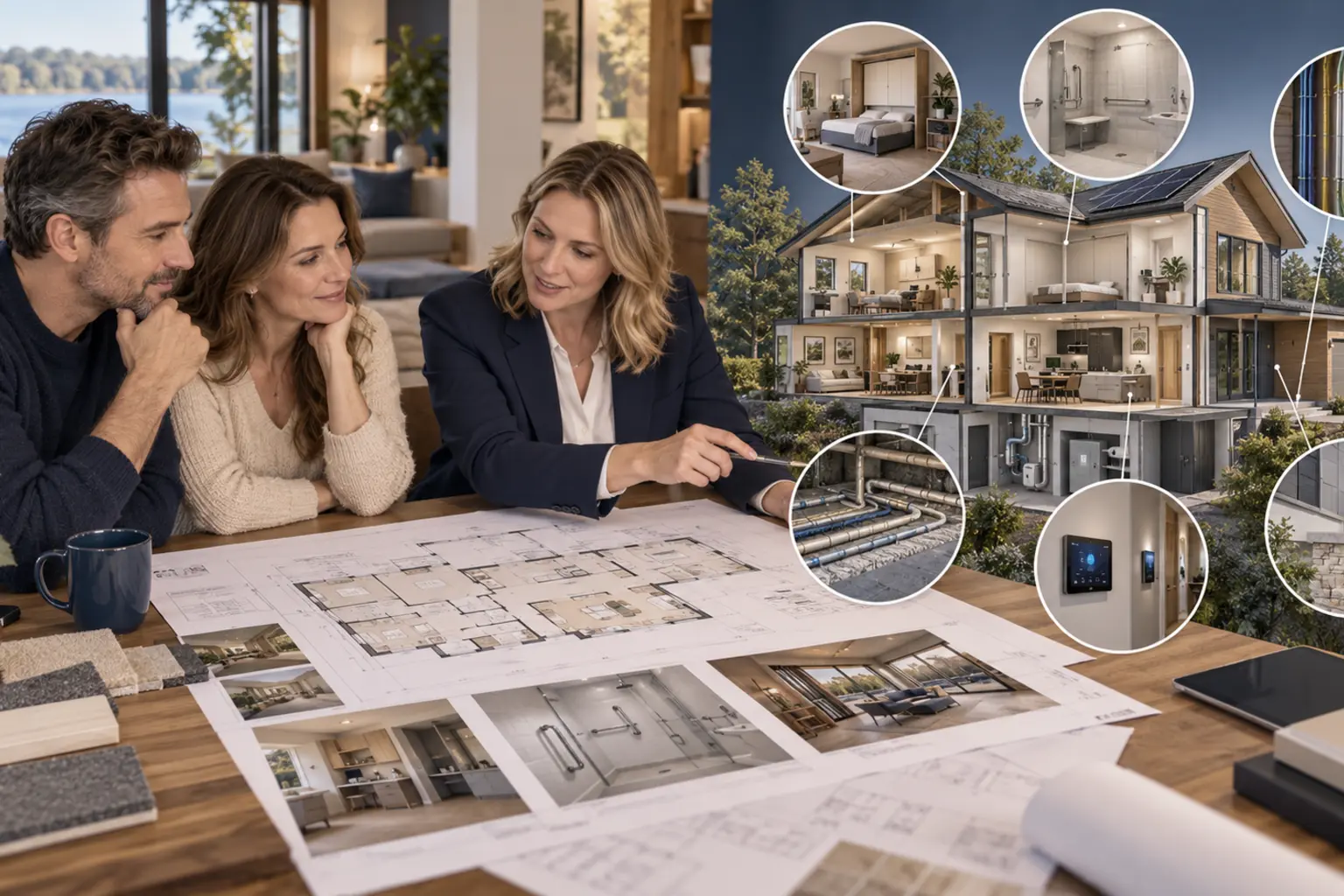
- Aging in place
- Entertaining family and friends
- Energy efficiency goals
- Maintenance reduction
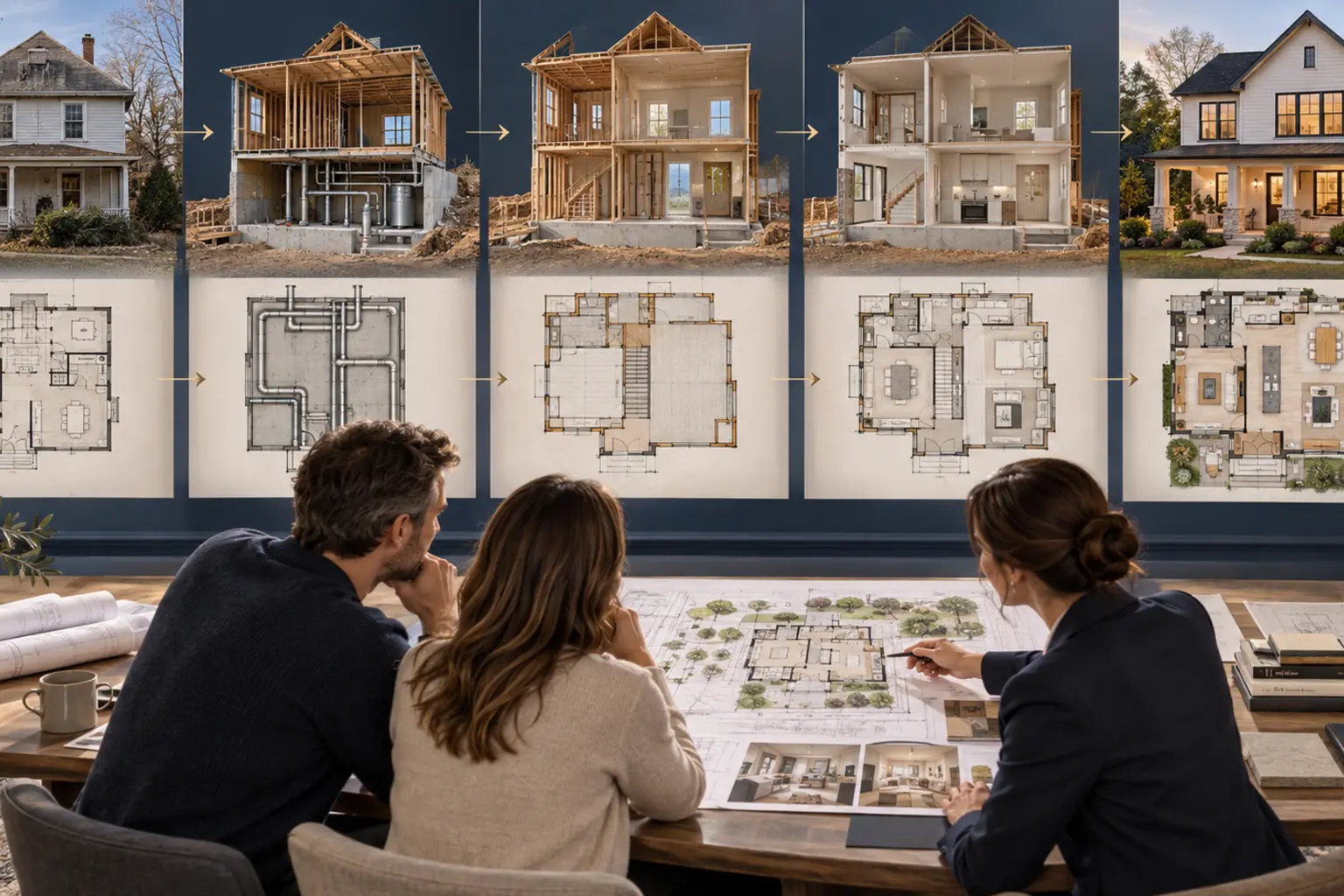
Plan Projects in Logical Phases
Not every homeowner needs—or wants—to complete a whole-home renovation at once. Breaking a project into carefully planned phases can make budgeting easier while avoiding unnecessary demolition or duplicate work.
- Phase 1 – Address critical repairs and infrastructure.
- Phase 2 – Renovate primary living spaces.
- Phase 3 – Complete secondary spaces.
- Phase 4 – Exterior improvements or additions.
Coordinate Major Systems
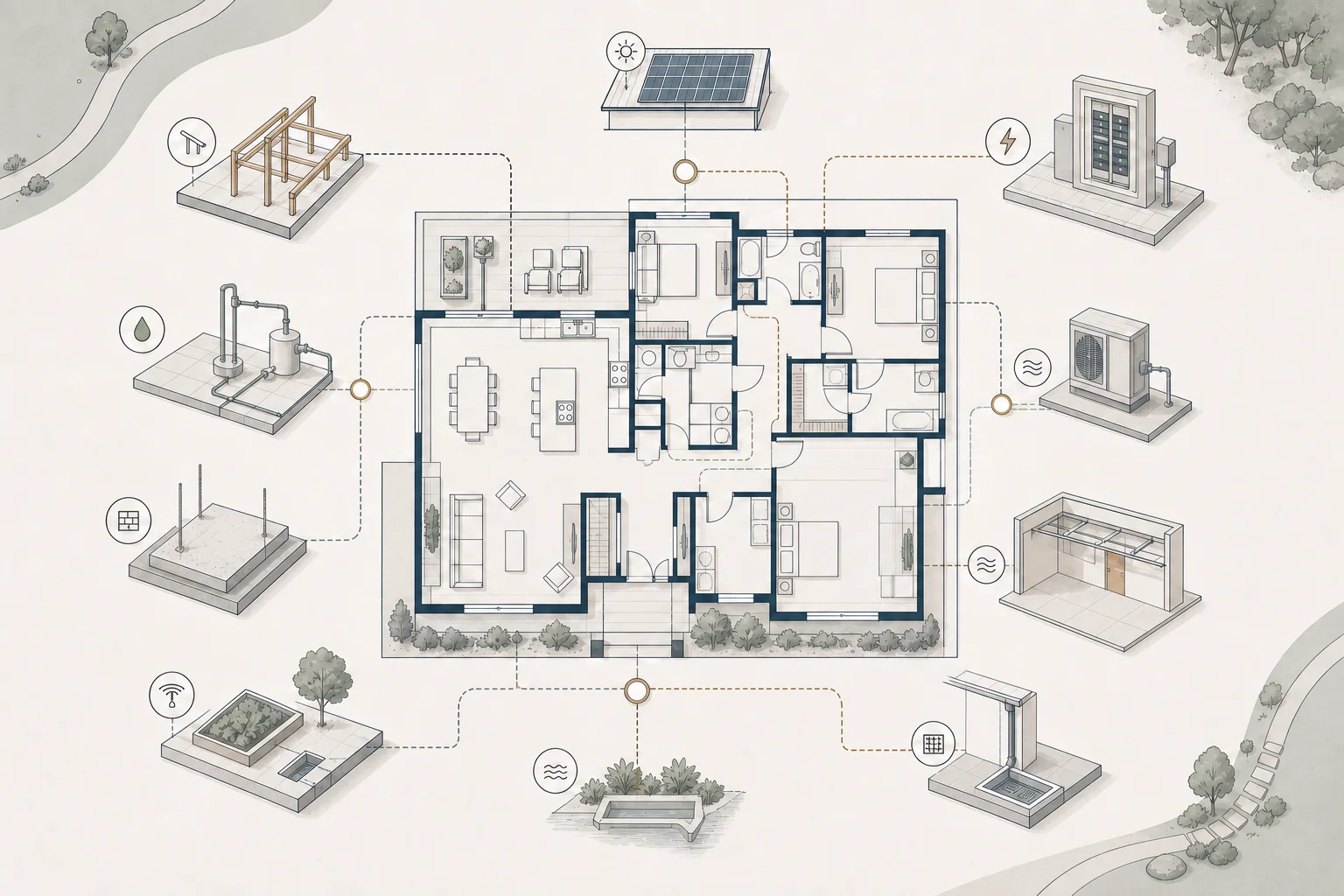
Mechanical systems are often overlooked during planning. Evaluating them as part of the master plan can prevent expensive changes later.
- Electrical capacity
- Plumbing distribution
- HVAC equipment and ductwork
- Roof condition
- Windows and insulation
- Future solar or EV charging
Know When an Addition Fits the Plan
A master plan also helps determine whether additional square footage is truly necessary. In some homes, better use of existing space solves the problem. In others, an addition may become an important phase of the long-term plan rather than the starting point.
Questions to Ask Yourself
- What do I ultimately want this home to become?
- Can future projects influence decisions I make today?
- What improvements should happen before cosmetic upgrades?
- Which projects can reasonably wait?
- How can I avoid paying twice for the same work?
Common Misconceptions
I only need to plan the project I'm doing today. Each renovation affects future opportunities and should support an overall vision.
Planning future phases locks me into those decisions. A master plan is flexible and can evolve as your needs change.
Small projects don't need long-term planning. Even modest renovations can create unnecessary costs if future work isn't considered.
A master plan is only for large budgets. Thoughtful planning benefits projects of every size.
Foundation Tip
One of the easiest ways to save money over the life of a home is to make today's decisions with tomorrow's projects in mind. A well-developed master plan helps every improvement build toward a common goal instead of becoming an isolated project.
Closing Thought
Your home will likely evolve over many years. By creating a long-term master plan before construction begins, you can prioritize projects, control costs, and ensure every renovation supports the home you ultimately want—not just the project you're working on today.