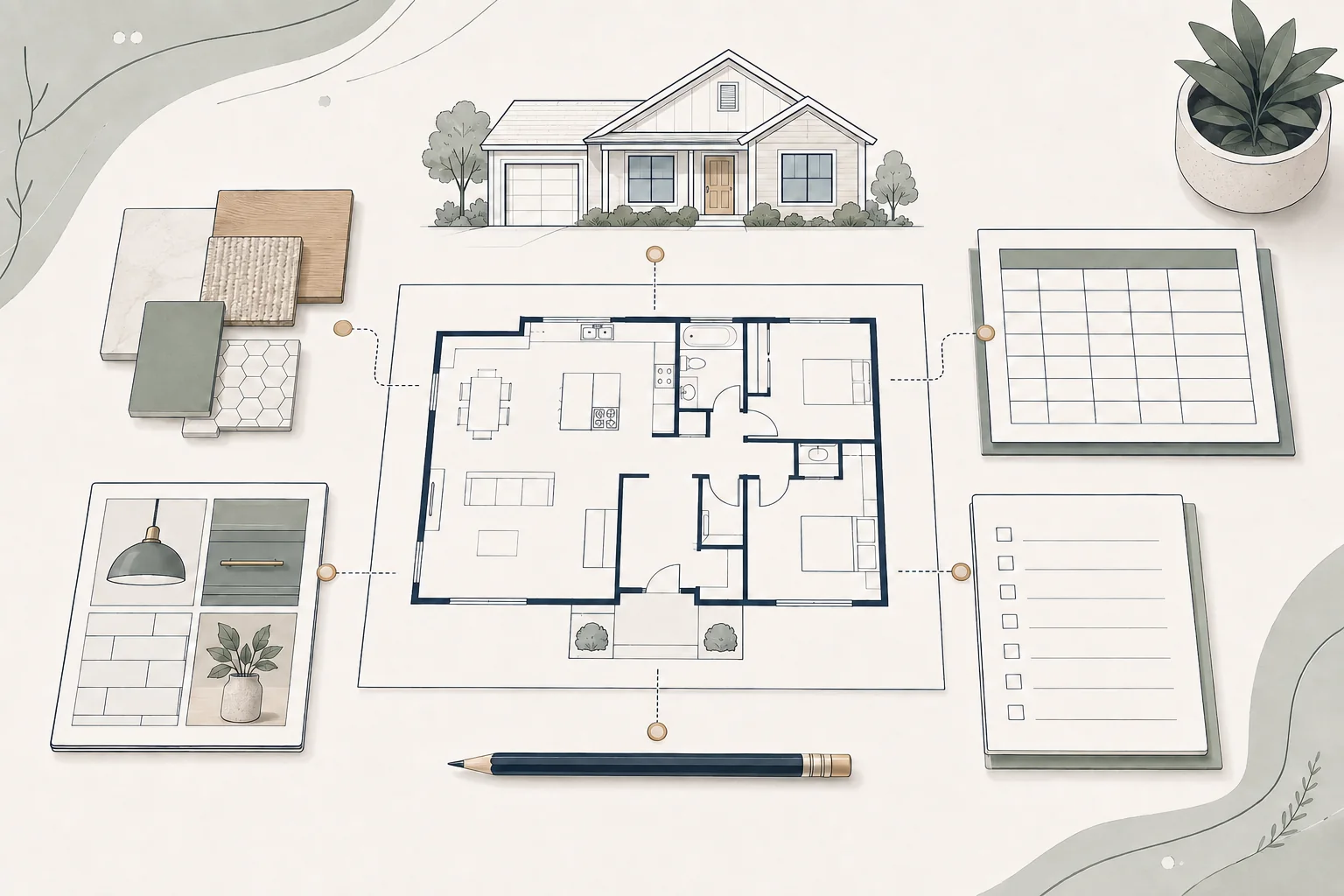

A renovation is easier to manage when the major decisions are made in a useful sequence. The Foundation Renovation Knowledge Hub brings together practical guidance on goals, scope, budgets, project teams, design, contractor selection, construction preparation and specific project types.
Use this page as a starting point. You do not need to read every guide. Choose the pathway that matches the decision in front of you, then return here as the project develops.
Where should you begin?
If you are at the very beginning
Start with How to Plan a Home Renovation. It explains the overall planning process and the information homeowners should organize before relying on design, pricing or schedule commitments.
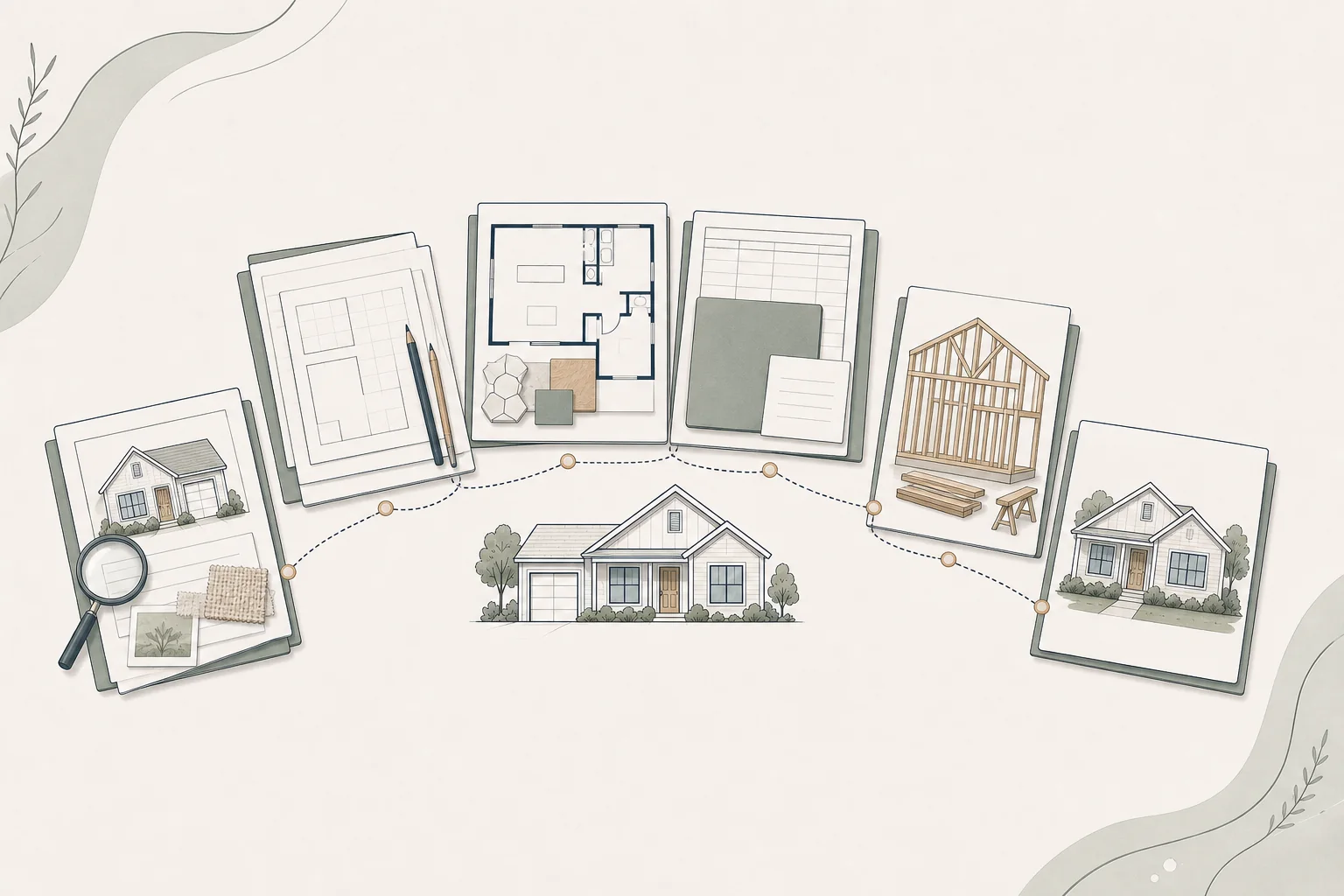
Then use the Foundation Renovation Roadmap™ to understand the six connected phases of a renovation:
-
Discover — clarify the problems, goals and household priorities.
-
Plan — define scope, budget, risks and the information needed to proceed.
-
Design — develop and coordinate the project before construction commitments.
-
Prepare — finalize responsibilities, approvals, selections, contracts and logistics.
-
Build — manage communication, decisions, changes and quality during construction.
-
Complete — close out the project, collect records and transition into use and maintenance.
If you already have a specific question
Choose the topic area below. Each guide is designed to help you understand the decision, recognize important assumptions and prepare better questions for the professionals responsible for the work.
Plan the budget, scope and priorities
A realistic renovation plan connects what you want to accomplish with what the property, budget, schedule and household can reasonably support.
Use this topic area to understand:
-
What drives renovation costs.
-
How to create a complete project budget.
-
How to define scope and distinguish needs from optional improvements.
-
How to plan for uncertainty without relying on a universal contingency percentage.
-
Whether work should be completed together or divided into phases.
-
How to weigh resale considerations against daily function and quality of life.
Start with the Renovation Budget, Scope & Priorities Guide, then continue to How Much Does a Home Renovation Really Cost? and How to Create a Realistic Renovation Budget.
Build the right renovation team
The right team depends on the project. Titles alone do not define responsibilities, and no project-delivery method is universally best.
Use this topic area to understand:
-
The possible roles of architects, residential designers and interior designers.
-
When engineers or specialty consultants may be needed.
-
How general contractors and design-build firms structure their services.
-
How to compare qualifications, scopes, assumptions and exclusions.
-
How to identify gaps and overlapping responsibilities.
-
What to clarify before signing design or construction agreements.
Start with Who Should Be on Your Renovation Team? From there, continue into design-professional comparisons, project-delivery choices, contractor selection and bid comparison.
Plan by project type
Kitchen renovations
Kitchen planning should begin with function and coordination rather than finishes. The kitchen guides cover layout, workflow, storage, cabinetry, appliances, lighting, ventilation, utilities, selections and construction logistics.
Start with Kitchen Renovation: Where Should You Start?
Bathroom renovations
Bathroom projects concentrate many technical and daily-use decisions into a small area. The bathroom guides address layout, plumbing, waterproofing, ventilation, storage, lighting, accessibility, fixtures and household logistics.
Start with Bathroom Renovation: Where Should You Start?
Whole-home renovations
A whole-home project requires decisions across rooms, systems and time. The whole-home guides address existing conditions, master planning, shared systems, budgets, phasing, temporary living and long-term flexibility.
Start with Whole-Home Renovation: Where Should You Start?
Accessory dwelling units
An ADU project combines housing goals with property feasibility, site planning, utilities, approvals, budget and long-term use. Foundation’s ADU resources are written for a national audience, with a dedicated San Diego pathway where local detail is useful.
Start with the Accessory Dwelling Units (ADUs) Knowledge Hub. It connects homeowners to guidance on:
-
Determining whether an ADU fits the property and household goals.
-
Comparing attached, detached, prefabricated, site-built and garage-conversion options.
-
Evaluating property constraints and technical studies.
-
Understanding cost drivers and building a realistic ADU budget.
-
Comparing designers and builders.
-
Planning the design, permit and construction timeline.
-
Avoiding common ADU planning mistakes.
-
Understanding what an ADU feasibility study can and cannot establish.
Home additions
A home addition may provide connected living space when the existing home cannot support the household’s needs. The Home Additions Planning Guide addresses feasibility, addition types, property constraints, design, structure, systems, budgeting, approvals, construction and the choice between an addition, an ADU or moving.
Understand where Foundation fits
Foundation provides independent renovation planning and decision support for homeowners. The purpose is not to replace the architect, engineer, designer, contractor, inspector, attorney, financial adviser or permitting authority.
Foundation can help homeowners:
-
Organize goals, priorities and project information.
-
Identify decisions that should be made before the next commitment.
-
Understand how scope, budget, schedule and responsibilities connect.
-
Prepare questions for project professionals.
-
Compare proposals and assumptions more clearly.
-
Recognize unresolved risks and next steps.
A Foundation Strategy Session™ is often the first structured engagement. It includes a written Foundation Renovation Roadmap™ summarizing the project’s goals, priorities, major considerations and recommended next steps.
When a property or project alternative requires deeper preliminary evaluation, a Foundation Feasibility Report™ can organize available information, identify major constraints and document items that still require confirmation by agencies or licensed professionals.
How to use the Knowledge Hub throughout a project
Before hiring
Focus on goals, feasibility, overall scope, complete budgeting, team structure and responsibilities.
During design
Focus on coordination, selections, project documentation, approvals, cost alignment and unresolved assumptions.
Before construction
Focus on contractor evaluation, bid comparison, contracts, allowances, schedule, procurement, household logistics and communication.
During construction
Focus on decision tracking, changes, documentation, quality-control milestones and maintaining clear responsibility for open items.
At completion
Focus on inspections, corrections, warranties, records, maintenance information and unresolved closeout obligations.
Frequently asked questions
Do I need to know exactly what I want before using these resources?
No. Early planning is meant to clarify goals and constraints, not force premature design decisions. Begin with the problem you are trying to solve and the commitment you are considering next.
Are these guides only for San Diego homeowners?
No. Most Foundation guidance is written for homeowners nationally. San Diego-specific articles and examples are used where local requirements materially affect the topic. Regulations and professional requirements must always be confirmed for the property’s actual jurisdiction.
Can the Knowledge Hub tell me what my renovation will cost?
It can explain cost drivers, complete-budget categories and the questions needed for more useful pricing. It cannot establish a reliable project price without project-specific scope, design, property information and market input.
Does Foundation recommend contractors, architects or designers?
No. Foundation remains independent and does not maintain a preferred-provider list, accept referral compensation or guarantee another professional’s performance. Its role is to help homeowners evaluate information and make their own informed decisions.
Where should I begin if I am unsure which guide applies?
Start with How to Plan a Home Renovation. If you need help translating the general framework into a project-specific next step, schedule a complimentary Discovery Call to determine whether a Foundation Strategy Session™ is appropriate.
Plan the next commitment—not every decision at once
Renovation planning becomes more manageable when homeowners know what must be decided now, what can wait and who is responsible for confirming each item.
Use the Knowledge Hub to understand the process, follow the pathway relevant to your project and prepare for the next commitment with clearer information.
Foundation provides educational renovation planning and decision support. Content is general and does not replace project-specific architectural, engineering, contracting, inspection, legal, financial, tax, real-estate, environmental, safety or jurisdictional advice.