Discovery Comes Before Solutions
Homeowners often begin a renovation with a solution in mind: open the kitchen, add a bathroom, create a primary suite or reconfigure the entire floor plan. The idea may ultimately be right, but the first step is understanding the problem it is meant to solve.
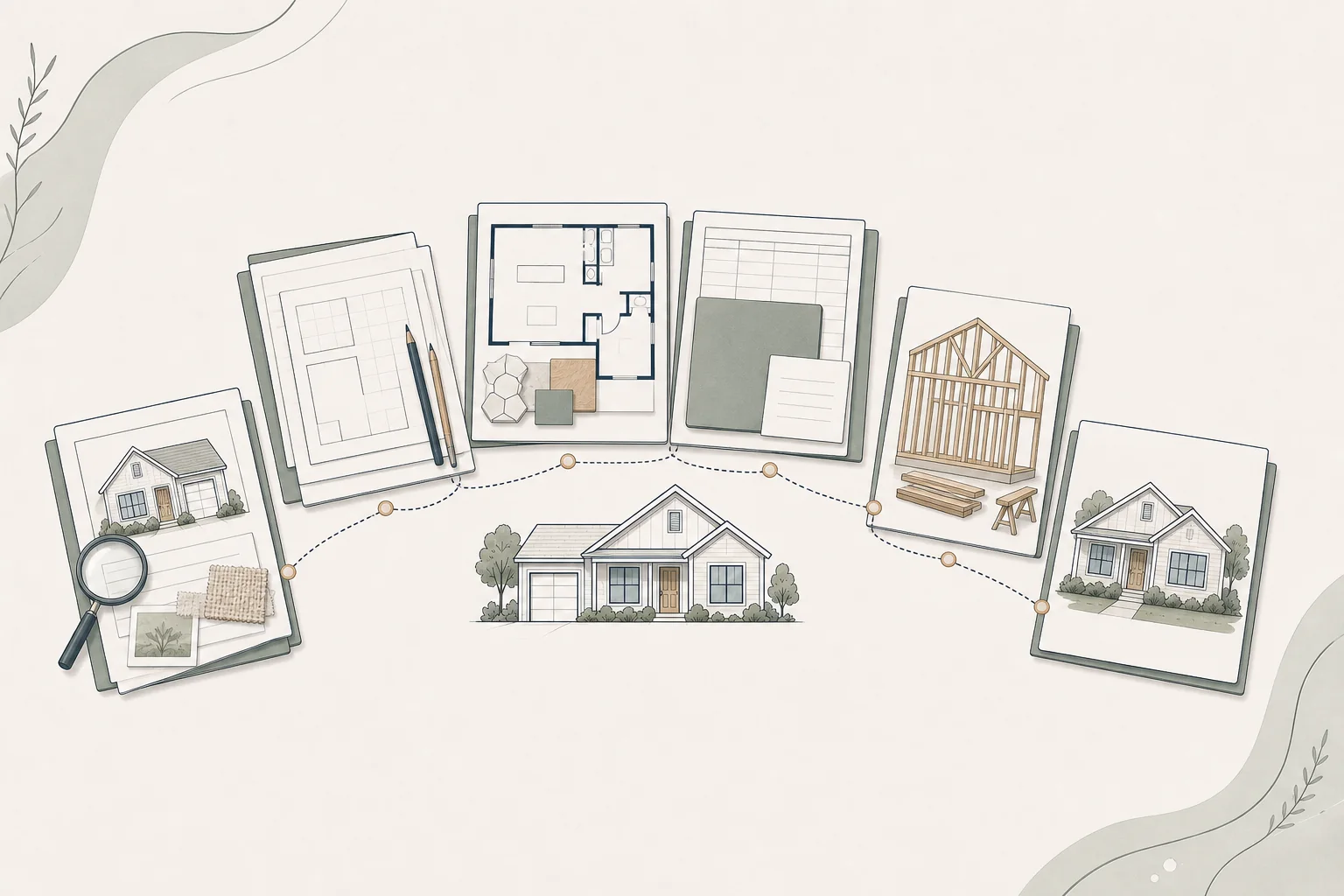
Discover is the first phase of the Foundation Renovation Roadmap™. Its purpose is to clarify why the household is considering a renovation, how the home currently supports daily life, where it falls short and what the completed project must make possible.
The Discover phase does not require a final floor plan, contractor or finish palette. It creates the decision foundation for the planning, design, pricing and construction work that follows.
Start With Why the Renovation Is Being Considered Now
Timing often reveals the real project drivers. A household may be responding to a growing family, aging parents, remote work, mobility changes, recurring maintenance, an outdated layout or the desire to remain in a valued neighborhood.
Ask what changed and what is likely to change next. A home that worked well several years ago may no longer support the household’s routines. The renovation should respond to the life the household expects to live—not only the conditions that created frustration today.
Observe Before You Design
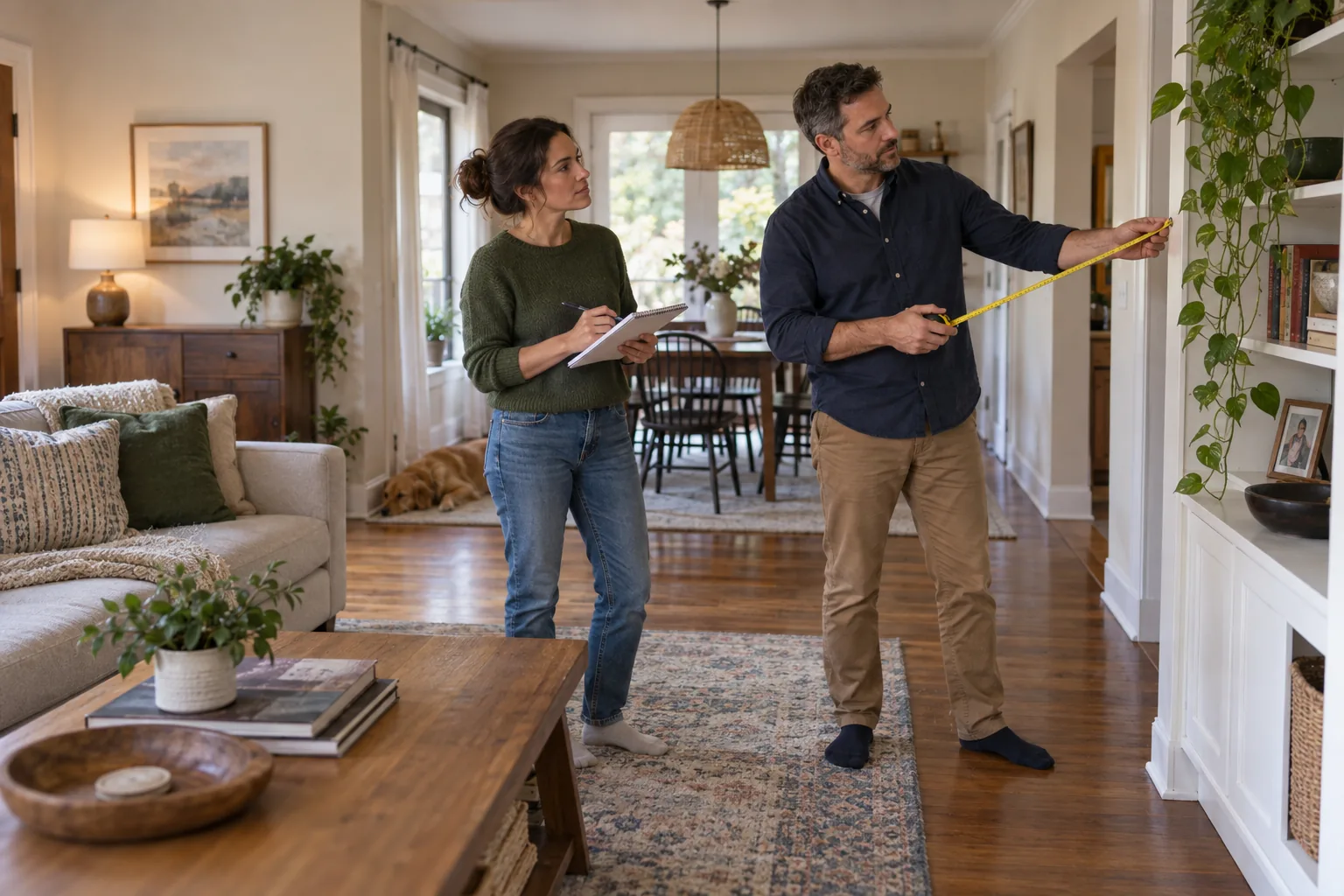
Before deciding how a room should look, pay attention to how the home is actually used. Observe where routines break down, where belongings accumulate, which paths conflict and which spaces remain unused.
Useful observations may include:
-
Where household members enter, unload, store belongings and transition through the home
-
How cooking, dining, cleaning and gathering overlap
-
Where privacy, quiet or separation is missing
-
Which storage areas are difficult to access or poorly located
-
Where doors, furniture, stairs or narrow passages interrupt circulation
-
Which rooms receive too little daylight or create uncomfortable glare and heat
-
How pets, children, guests or multiple generations affect daily use
-
Which maintenance problems or aging systems repeatedly demand attention
A short written log, photographs and notes from different times of day can reveal patterns that are easy to overlook during a single walkthrough.
Define Problems in Plain Language
Try describing each problem without naming the solution. Instead of “we need an island,” the problem may be “we lack uninterrupted preparation space and people cross the cooking zone.” Instead of “we need an addition,” the problem may be “the home has no private space for an aging parent.”
This distinction keeps alternatives open. The team can compare solutions based on whether they solve the problem rather than whether they match the homeowner’s first idea.
Identify What Already Works
Discovery is not only a list of deficiencies. Homeowners should identify the features, relationships and character they want to preserve.
Examples may include:
-
A room with especially good daylight or views
-
Original materials or architectural features
-
A convenient connection to the yard
-
A quiet area that already supports work or rest
-
A layout relationship that functions well
-
Mature landscaping, parking or outdoor space that should be protected
Preservation priorities help prevent a renovation from solving one problem while unintentionally removing something the household values.
Define What Success Should Feel Like
A renovation goal should describe the result the household wants to experience. “A larger kitchen” describes size. “Two people can cook while children do homework without blocking circulation” describes success.
Successful outcomes may include:
-
More functional daily routines
-
Better gathering, privacy or separation
-
Improved accessibility and long-term usability
-
Less maintenance or more resilient materials
-
Better light, ventilation or connection to outdoor space
-
Room for changing family, work or caregiving needs
-
A home that feels coherent rather than a collection of disconnected improvements
These outcome statements later help the team evaluate layouts, products and scope changes.
Include Everyone Who Will Live With the Result
Household members may experience the same home differently. One person may prioritize gathering space while another needs quiet. One may be focused on resale while another expects to remain in the home long term.
Discovery should surface these differences before design begins. Agreement does not require every preference to receive equal scope, but the team needs to understand where priorities align and where deliberate tradeoffs will be necessary.
When children, older relatives, caregivers, tenants or frequent guests will use the space, include their functional needs even if they do not participate in every project decision.
Consider the Future, Not Only the Present
Renovations can take significant time to plan and build, and the result may remain for decades. Consider foreseeable changes in mobility, work, household size, caregiving, storage, technology and maintenance capacity.
Future-ready planning does not mean designing for every hypothetical event. It means identifying plausible needs that could be addressed now with modest changes or preserved flexibility.
Explore Renovation Versus Other Paths
Discovery may show that renovation is not the only reasonable solution. The household may need to compare moving, repairing without substantially remodeling, completing a smaller project, building an addition or ADU, or phasing work over time.
KB-2500, Should You Renovate or Move?, provides the detailed comparison framework. During Discover, the purpose is simply to confirm that renovation remains a path worth exploring before the household becomes committed to a particular design.
Acknowledge Budget Without Designing the Budget Yet
The Discover phase should recognize financial boundaries, but it is not the detailed budgeting phase. Homeowners should identify the amount they may be willing and able to invest, whether financing is likely, and which outcomes would justify that investment.
The next Plan phase connects those expectations to scope, priorities, timing, risk and a realistic total project budget. Avoid using an unverified budget number to prematurely eliminate important questions—or using an unlimited wish list that ignores financial reality.
Identify Early Feasibility Questions
Some goals depend on property or existing-home conditions that require professional investigation. During Discover, note the questions that could change the available options.
Examples include:
-
Whether zoning permits an addition, ADU or change in use
-
Whether the existing structure can support a proposed alteration
-
Whether electrical, plumbing, sewer, water or HVAC systems have adequate capacity
-
Whether easements, drainage, slopes or site access constrain the work
-
Whether hazardous materials or undocumented previous work may be present
-
Whether accessibility goals require more space than the current concept allows
The Discover phase does not resolve every technical question. It determines which questions need answers and when those answers are required.
Separate Goals From Features
A goal explains what the project should accomplish. A feature is one possible way to accomplish it. Keeping the two separate makes it easier to adapt when budget, feasibility or design information changes.
For example:
-
Goal: reduce congestion during morning routines. Possible features: another sink, a divided bathroom layout, improved storage or a second bathroom.
-
Goal: host family comfortably. Possible features: flexible dining space, better kitchen circulation, guest accommodations or improved outdoor access.
-
Goal: remain in the home longer. Possible features: a main-level bedroom, accessible bathroom, improved lighting or space reserved for a future lift.
Features can change during planning and design while the underlying goal remains the test for success.
Gather Information Without Letting Inspiration Control the Project
Inspiration images can help communicate style, atmosphere and features, but they rarely show the property constraints, budget or compromises behind the photograph.
Organize examples by what they demonstrate. Note whether you are responding to the layout, material, storage approach, lighting, mood or a specific detail. This turns a collection of images into useful design information rather than an unranked wish list.
What the Discover Phase Should Produce
Discovery does not need to become a formal design package. A useful outcome is a concise project brief containing:
-
The reasons the household is considering renovation now
-
The primary problems to solve
-
The qualities and features to preserve
-
The household’s definition of success
-
Essential needs, important preferences and optional ideas
-
Expected future needs
-
Known financial, timing and occupancy constraints
-
Early feasibility questions
-
The next decisions and professionals needed
This brief becomes an input to the Plan phase. It should be specific enough to guide decisions but flexible enough to allow better solutions to emerge.
Common Discover-Phase Mistakes
-
Starting with a preferred layout before defining the problem
-
Allowing trends or inspiration images to substitute for household goals
-
Listening only to the loudest decision-maker
-
Focusing exclusively on what is wrong and forgetting what should be preserved
-
Treating every desired feature as equally important
-
Ignoring future needs because they are not urgent today
-
Assuming renovation is the only acceptable path
-
Beginning detailed design before identifying major feasibility questions
-
Confusing a desired construction start date with a complete project timeline
Questions to Explore
-
Why are we considering a renovation now?
-
What problems are we trying to solve?
-
Which routines create the most frustration?
-
What do we value about the home and want to preserve?
-
How might the household change over the next several years?
-
If the project could solve only one problem, which should it be?
-
What would the completed renovation allow us to do that we cannot do today?
-
Which ideas are goals, and which are possible features?
-
What financial, timing or occupancy boundaries should the team understand?
-
Which property or existing-home questions could change the project direction?
How Foundation Can Help
A Foundation Strategy Session can help homeowners articulate why they are renovating, identify the decisions that matter first and distinguish project goals from assumed solutions. The resulting conversation can reveal what information is needed before the project moves into detailed planning or design.
Foundation’s Renovation Roadmap organizes the project from Discover through Plan, Design, Prepare, Build and Complete. For a home addition or ADU, a Foundation Feasibility Report™ can help investigate early property and project constraints after the household has clarified what it wants the project to accomplish.
Foundation supports the homeowner’s decision process. Architects, engineers, contractors, jurisdictions and other qualified professionals remain responsible for the services and determinations within their scopes.
Foundation Tip
Do not begin with “What room do I want?” Begin with “What do I need my home to help me do?” The second question leaves room for a better solution.
Important Note
Discovery is an early planning activity, not a substitute for design, engineering, estimating, legal advice or jurisdictional review. Project needs and feasibility vary by property and location. Consult qualified professionals before relying on a proposed scope, cost, schedule or technical assumption.
Related Foundation Articles
-
KB-1000 — Foundation Renovation Knowledge Hub
-
KB-1002 — Why Renovation Planning Matters Before You Call a Contractor
-
KB-1003 — The Foundation Renovation Roadmap™: Six Phases of a Home Renovation
-
KB-1005 — Plan: Turn Your Renovation Goals Into a Realistic Project
-
KB-2005 — Renovation ROI vs. Quality of Life: How Should You Decide?
-
KB-2500 — Should You Renovate or Move?
-
KB-2502 — Is Your Home a Good Candidate for a Whole-Home Renovation?
-
KB-2503 — How to Define Your Whole-Home Renovation Goals and Priorities