What Is Universal Design?
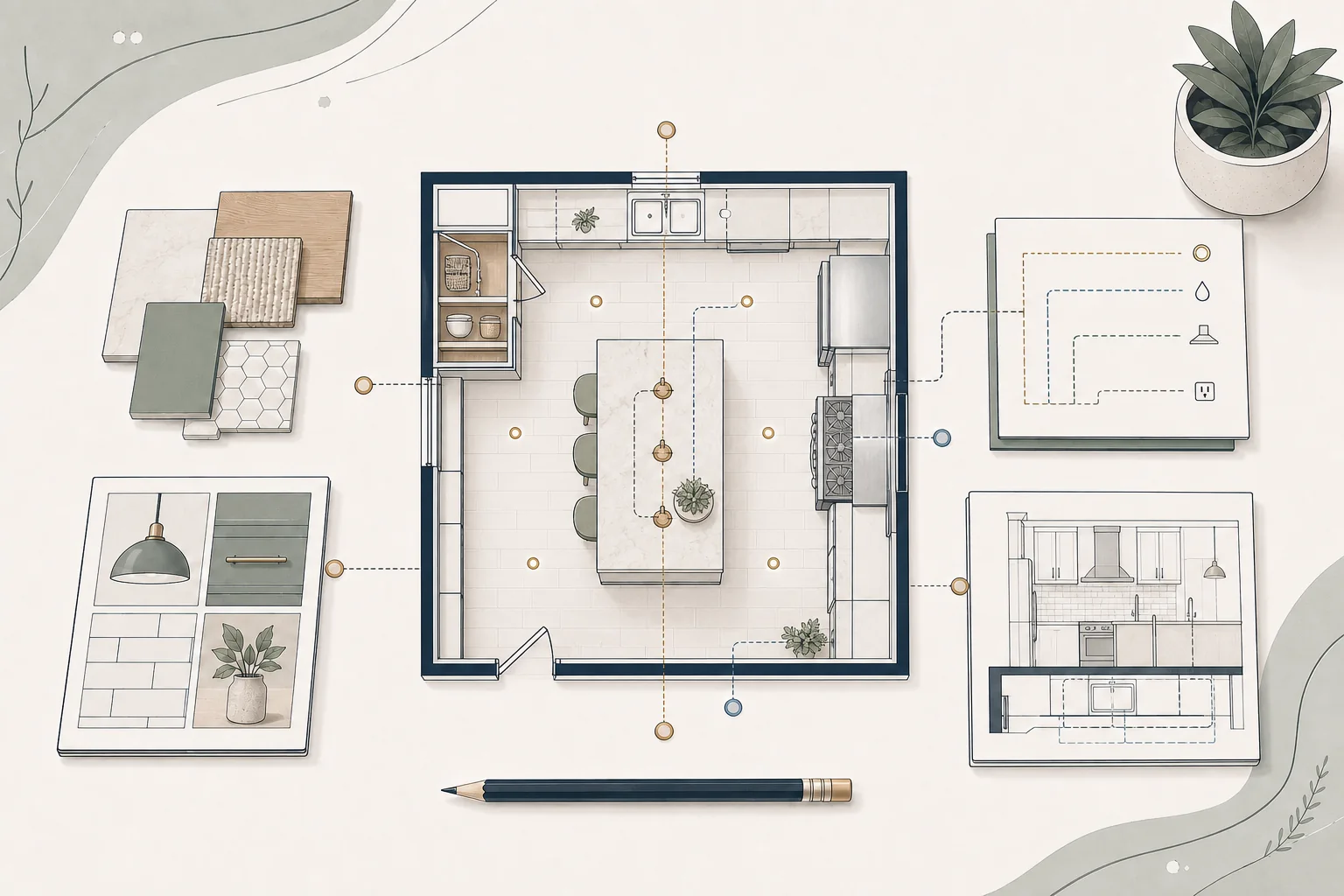
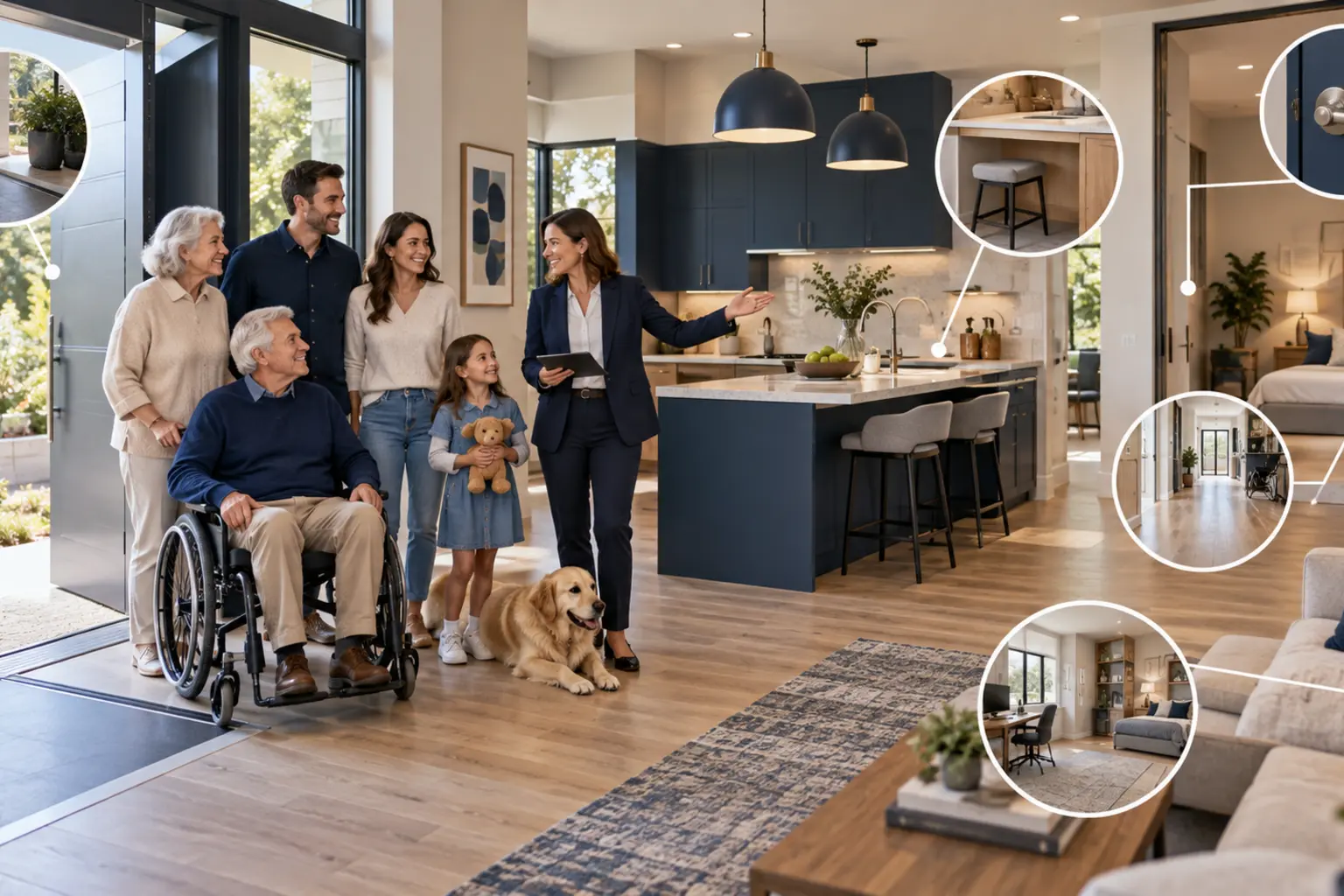
Universal design is the practice of designing spaces that are functional and accessible for the widest range of people possible, regardless of age, height, or physical ability.
It is often associated with aging in place, but many universal design features simply make a kitchen more comfortable and efficient for everyone.
The goal is not to make a kitchen look institutional. Instead, it is to create a space that remains functional as your needs change over time.
Key Factors to Consider
- Ease of Movement: Maintain comfortable walkways and minimize obstacles.
- Reach and Accessibility: Store frequently used items where they are easy to access.
- Lighting: Provide layered lighting that reduces shadows and improves visibility.
- Safety: Reduce slip, trip, and burn hazards through thoughtful design.
- Comfort: Select features that reduce bending, stretching, and repetitive strain.
- Adaptability: Choose designs that can accommodate future needs with minimal remodeling.
- Budget: Many universal design features add modest cost when incorporated during the initial renovation.
Common Universal Design Features
Wider Walkways
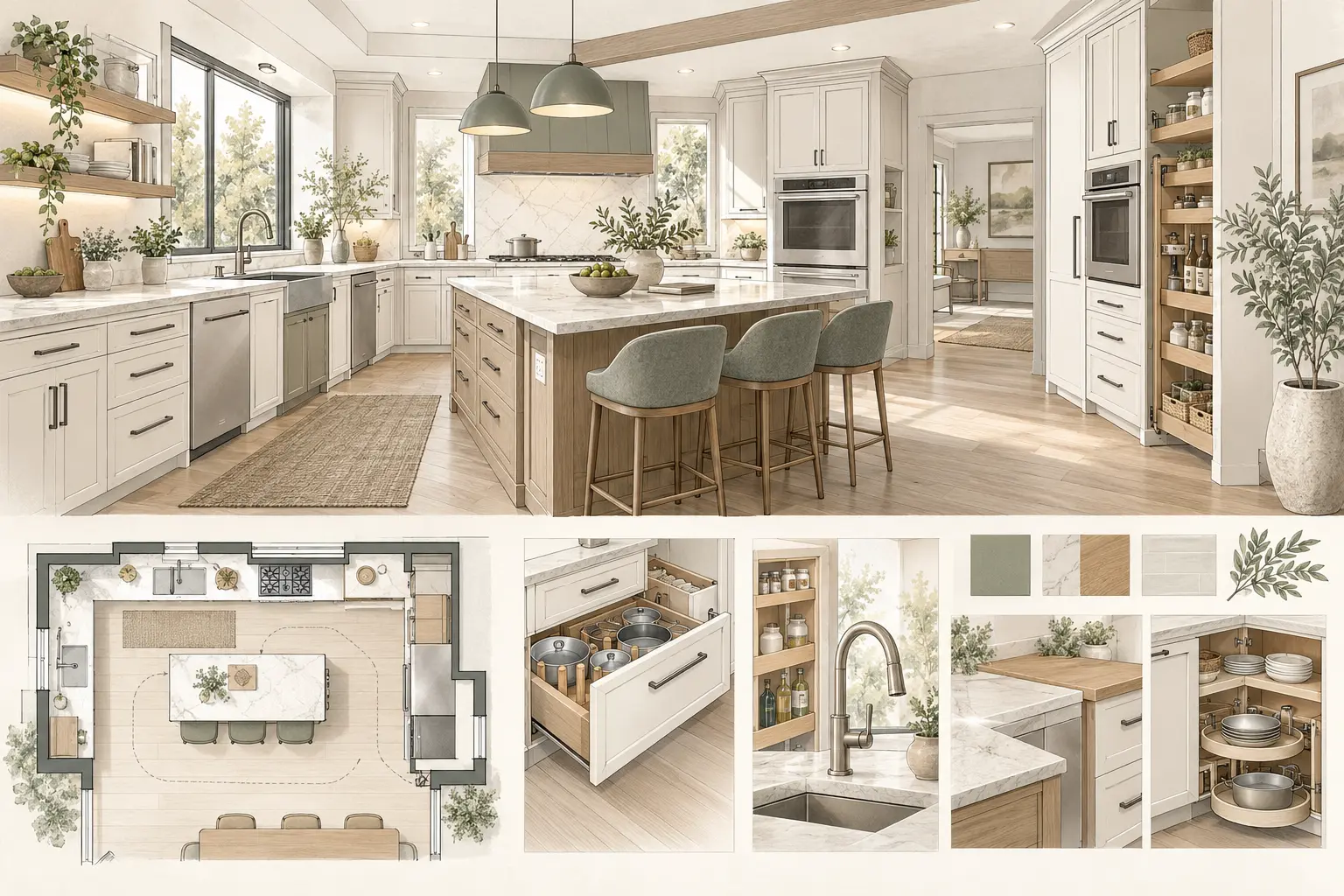
Improve circulation and allow multiple people to work comfortably.
Drawer Storage
Often easier to access than deep base cabinets with shelves.
Pull-Out Shelves
Bring stored items closer without excessive reaching.
Lever-Style Faucet Handles
Easier to operate than round knobs for many users.
Variable Counter Heights
Can better accommodate different tasks and users.
Task Lighting
Improves visibility for food preparation and cleanup.
Easy-to-Reach Appliances
Wall ovens, microwave drawers, and accessible controls can reduce bending.
Questions Your Designer May Ask
- Do you expect to remain in this home long term?
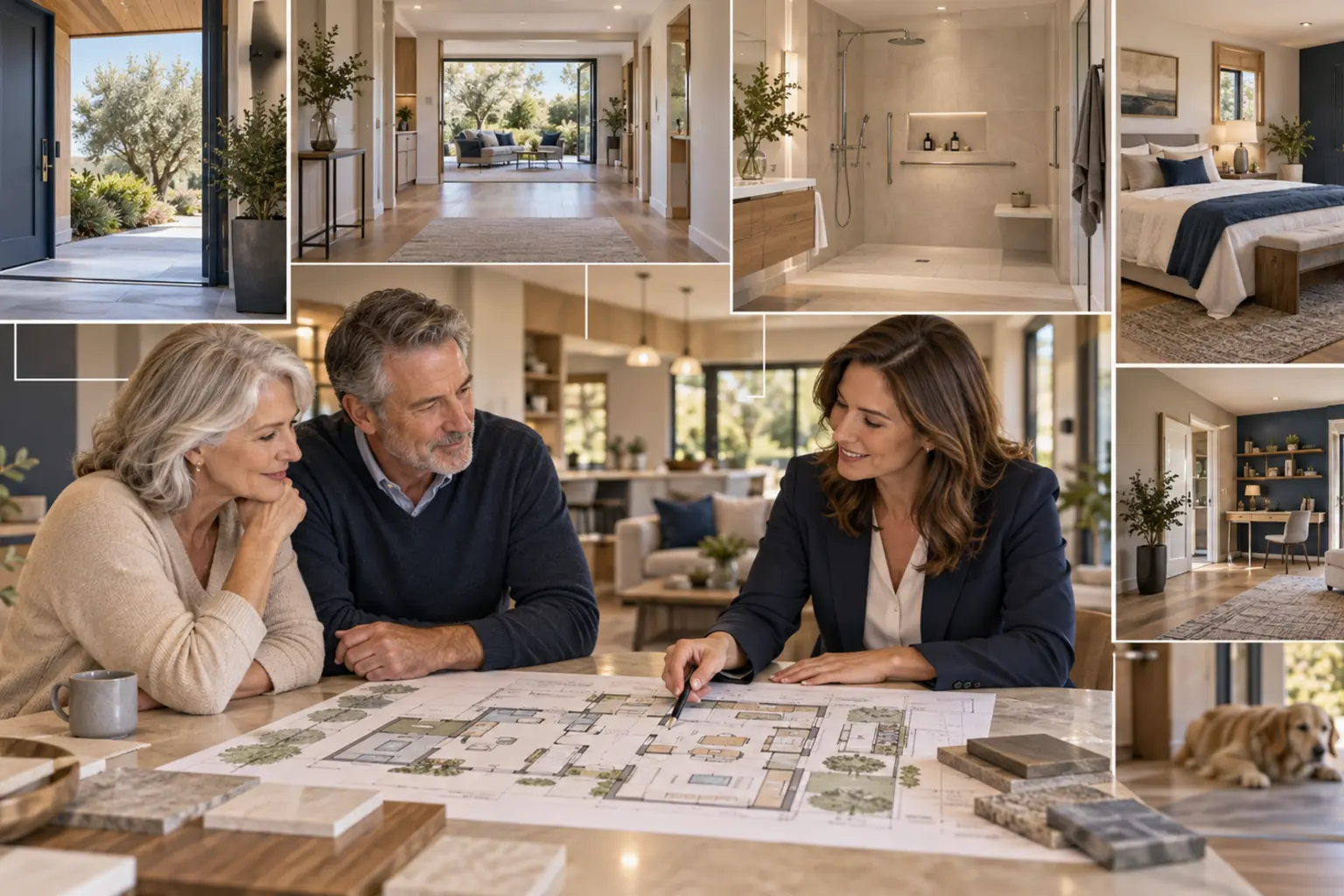
- Does anyone in the household have mobility or accessibility concerns?
- Would you like to reduce bending or reaching during everyday tasks?
- Do you anticipate aging in place?
- Are there young children or older adults who regularly use the kitchen?
- Which daily kitchen tasks are currently the most uncomfortable or frustrating?
Looking Beyond Accessibility
Universal design is about creating a kitchen that works well for everyone. Many of its features improve comfort, efficiency, and safety without changing the appearance of the space. When considered early in the design process, these improvements can often be incorporated with little impact on the overall budget.
Common Misconceptions
Universal design is only for seniors. People of all ages benefit from kitchens that are easier, safer, and more comfortable to use.
Universal design makes a kitchen look institutional. Modern products allow accessible features to blend seamlessly into contemporary kitchen designs.
Accessibility features are only needed after an injury or illness. Planning ahead is usually less expensive and avoids future renovations if needs change.
Universal design is significantly more expensive. Many features add little cost when incorporated during the initial design rather than retrofitted later.
A beautiful kitchen can't also be accessible. Good design balances aesthetics, functionality, and accessibility without sacrificing any one of them.
Foundation Tip
When planning your kitchen, think beyond today's needs. Small design decisions made during a renovation can make the space more comfortable and adaptable for decades without changing its style.
Closing Thought
Universal design is about creating a kitchen that serves you well throughout every stage of life. By focusing on comfort, safety, and flexibility, homeowners can create spaces that continue to support their changing needs while remaining beautiful and enjoyable to use.