Why Color Matters
Color is one of the first things people notice in a kitchen, but successful color design is about more than selecting a favorite paint swatch.
Cabinets, countertops, flooring, backsplashes, lighting, and natural daylight all interact to shape the overall feel of the room.
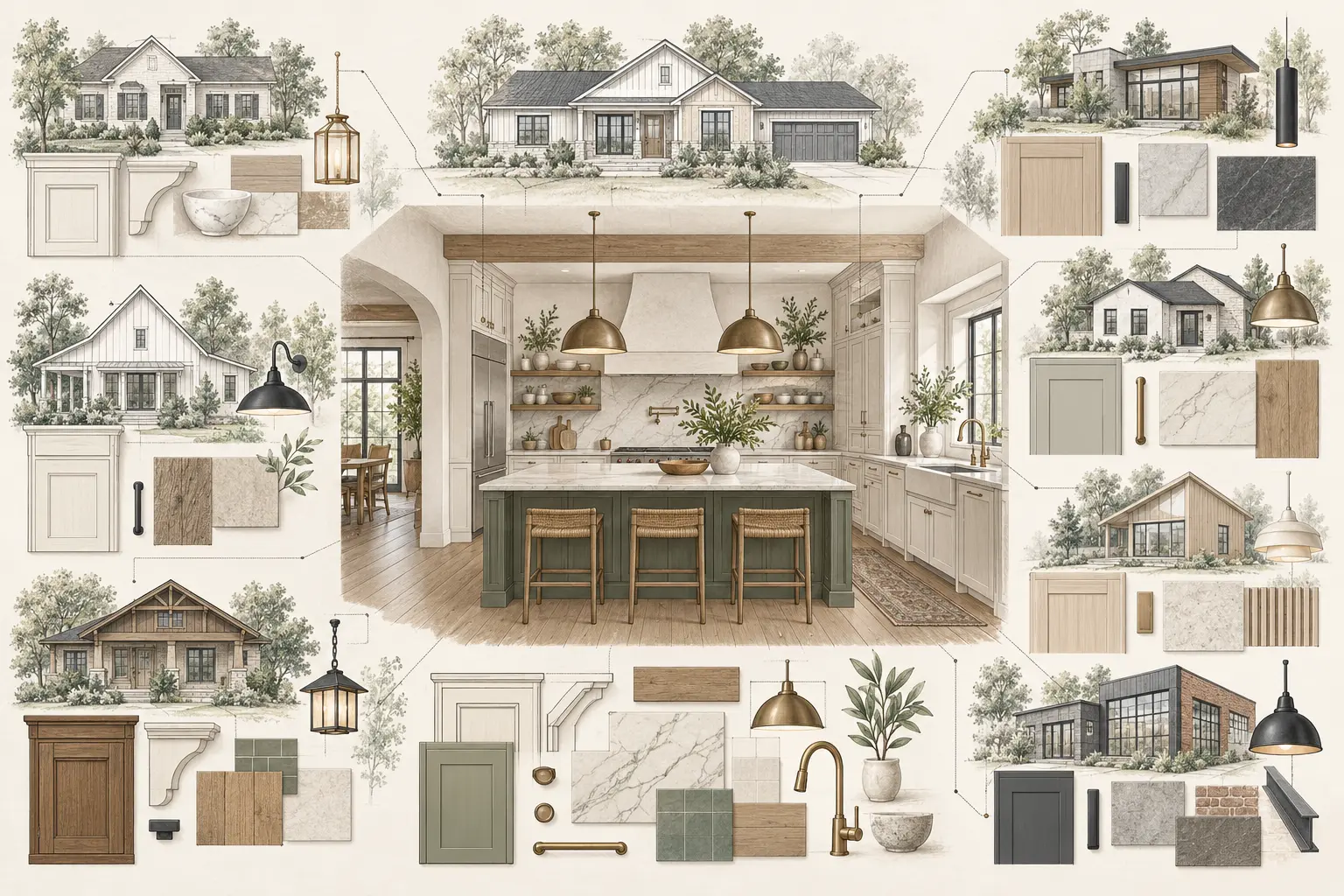
A thoughtful color palette creates balance, supports the home's architecture, and allows individual features to work together rather than compete for attention.
Key Factors to Consider
- Natural Light: The amount and direction of daylight can dramatically change how colors appear throughout the day.
- Room Size: Lighter and darker palettes each create different visual effects depending on the proportions of the space.
- Existing Finishes: Coordinate new colors with flooring, adjacent rooms, and architectural elements that will remain.
- Lifestyle: Consider how color choices affect maintenance, fingerprints, stains, and everyday wear.
- Longevity: Think about whether your selections reflect long-term preferences or short-term trends.
- Contrast and Balance: Use contrast intentionally to create visual interest without overwhelming the space.
- Budget: Changing paint is relatively inexpensive, while replacing cabinets or countertops later is not.
Common Color Approaches
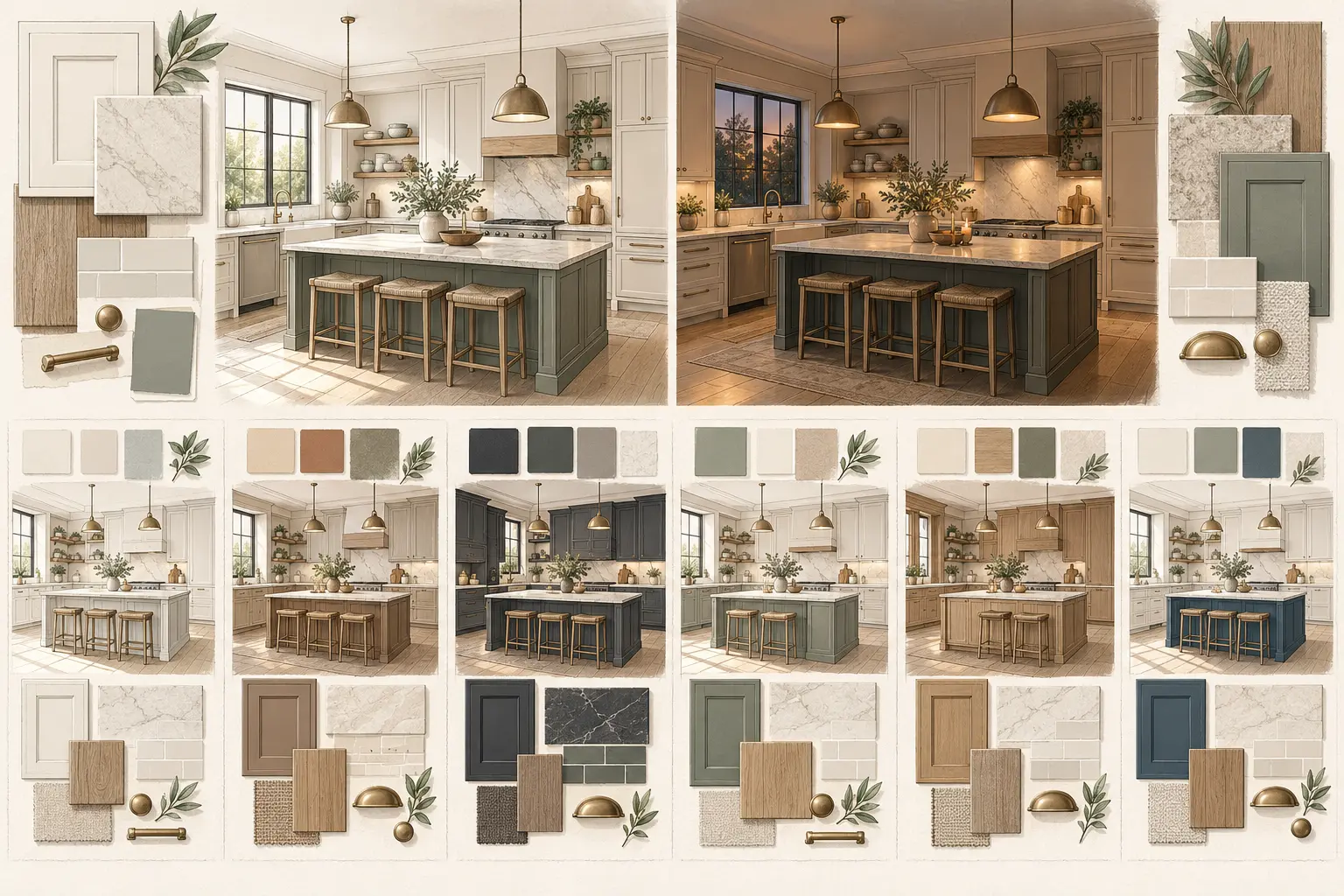
Light and Neutral Palettes
Create an open, bright feeling and provide flexibility for future updates.
Warm Earth Tones
Introduce comfort and warmth through natural-inspired colors.
Dark and Dramatic Palettes
Can add depth and sophistication when balanced with adequate lighting.
Two-Tone Kitchens
Use contrasting cabinet colors to create visual interest while defining different areas.
Natural Wood Accents
Blend painted finishes with wood textures to add warmth and character.
Bold Accent Colors
Introduce personality through backsplashes, islands, lighting, or accessories rather than throughout the entire kitchen.
Questions Your Designer May Ask
- How much natural light does your kitchen receive?
- Do you prefer warm, cool, or neutral color palettes?
- Which existing finishes will remain?
- Would you like the kitchen to stand out or blend with adjoining rooms?
- How comfortable are you with bold colors?
- Are resale considerations important to you?
Looking Beyond Paint
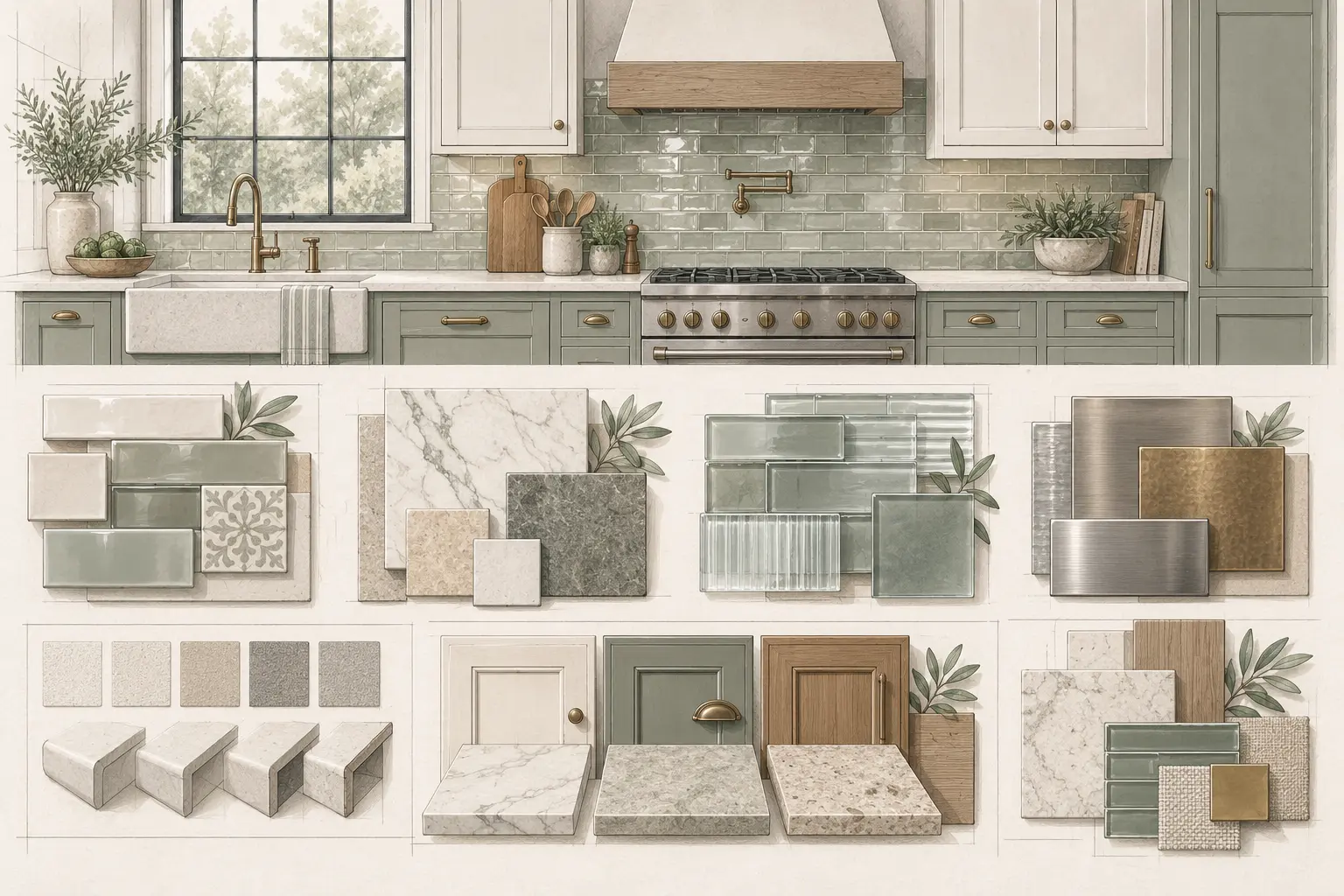
Color extends beyond wall paint. Cabinet finishes, countertop materials, flooring, hardware, lighting, and even window treatments all contribute to the overall palette. Considering these elements together helps create a more cohesive kitchen.
Common Misconceptions
White kitchens never go out of style. White remains popular, but its success depends on the surrounding materials, lighting, and maintenance expectations.
Dark kitchens always feel small. When balanced with proper lighting and contrasting finishes, darker colors can create an inviting and sophisticated space.
Everything has to match. Successful kitchens often coordinate complementary colors rather than matching every finish exactly.
Bold colors should be avoided. Accent colors can add personality when used intentionally and in appropriate locations.
Paint color should be selected first. Because paint is one of the easiest finishes to change, it is often selected after cabinets, countertops, and flooring have been chosen.
Foundation Tip
Gather samples of your cabinet finish, countertop, flooring, backsplash, and paint before making final decisions. Viewing them together under your home's natural and artificial lighting often reveals combinations that photographs cannot.
Closing Thought
A successful kitchen color palette is one that feels comfortable every day—not just impressive in a showroom. Choosing colors that complement your home, your lifestyle, and one another will create a kitchen that remains enjoyable for years to come.