Why Kitchen Style Matters
Kitchen style influences far more than appearance. It affects material selections, cabinetry, lighting, hardware, colors, and how the finished space feels.
While trends change over time, a kitchen that complements the home's architecture and reflects the homeowner's personal preferences is more likely to remain enjoyable for years.
Rather than asking which style is most popular, homeowners should consider which design best supports their lifestyle and creates a cohesive home.
Key Factors to Consider
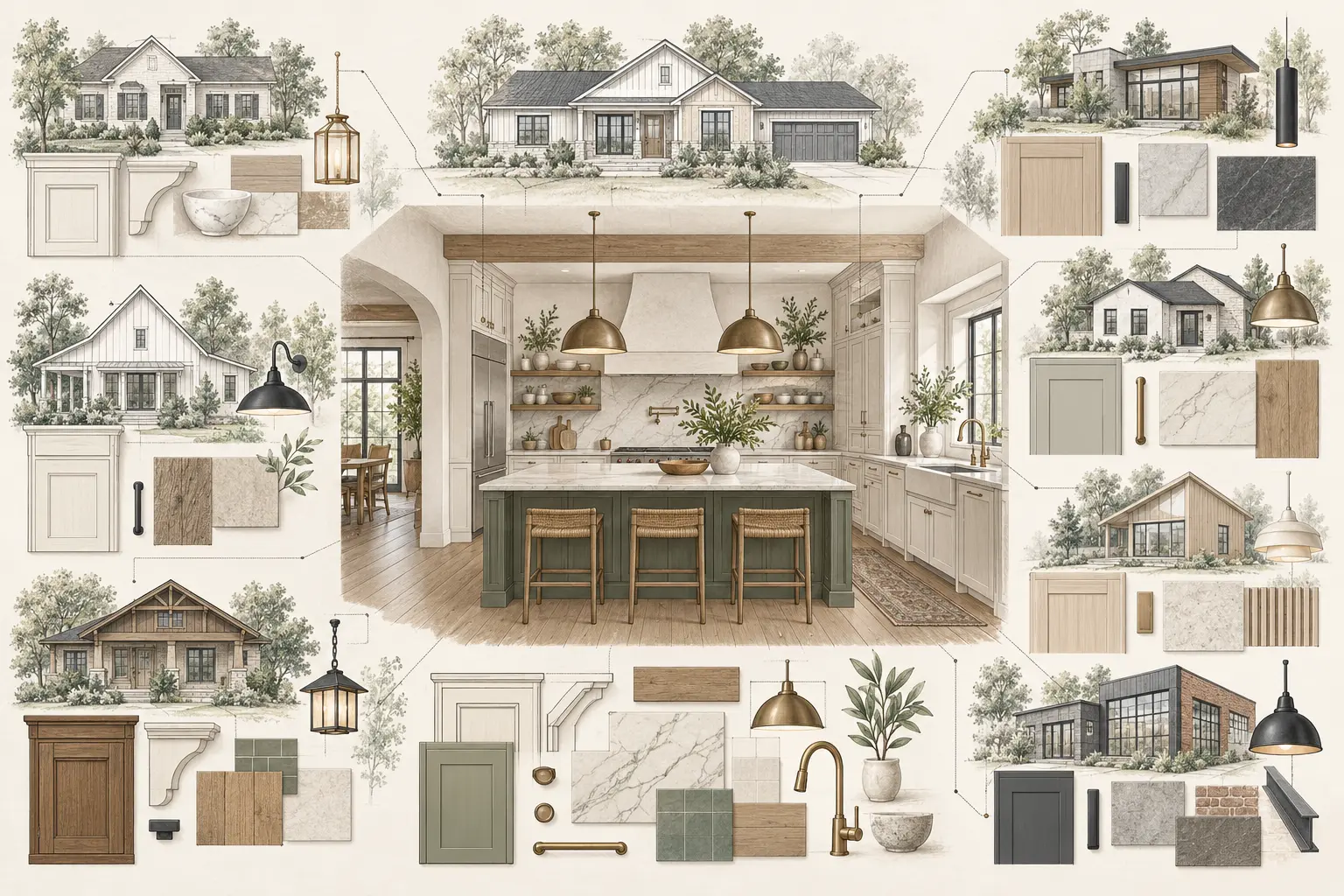
- Existing Architecture: A kitchen often feels more cohesive when it complements the style and age of the home.
- Personal Preferences: Choose a design you enjoy living with rather than one that simply follows current trends.
- Maintenance: Some styles emphasize clean lines while others include more decorative details that require additional upkeep.
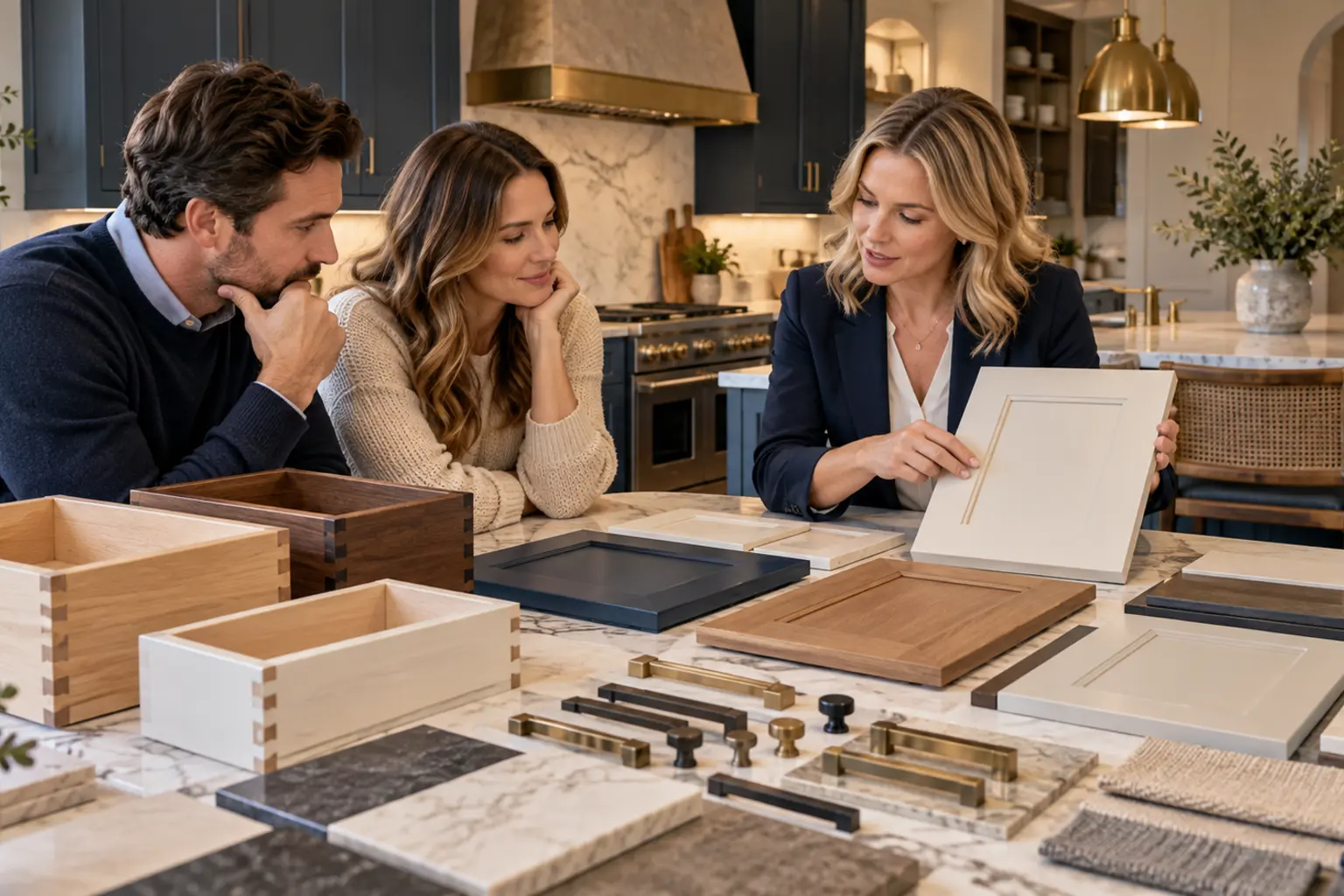
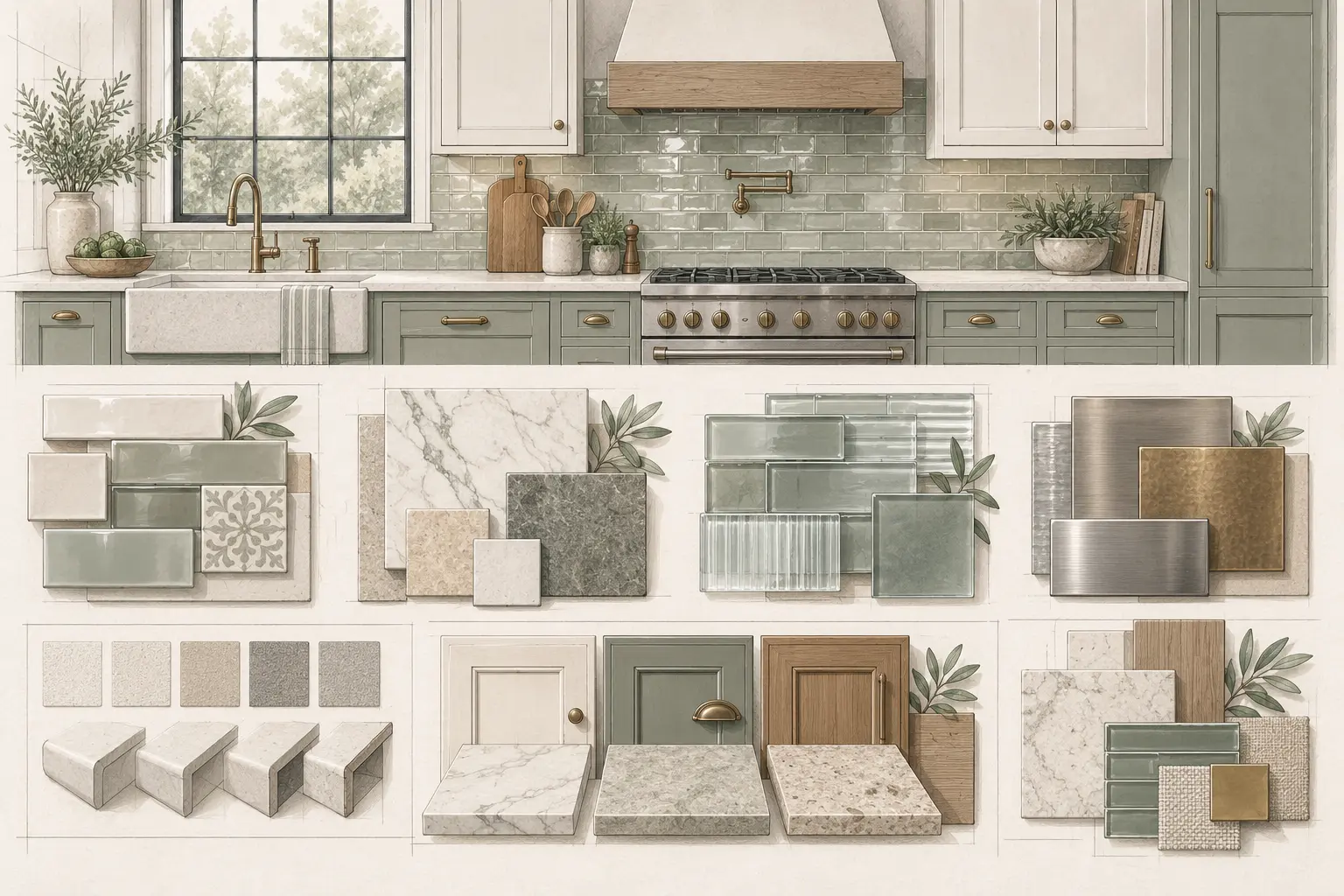
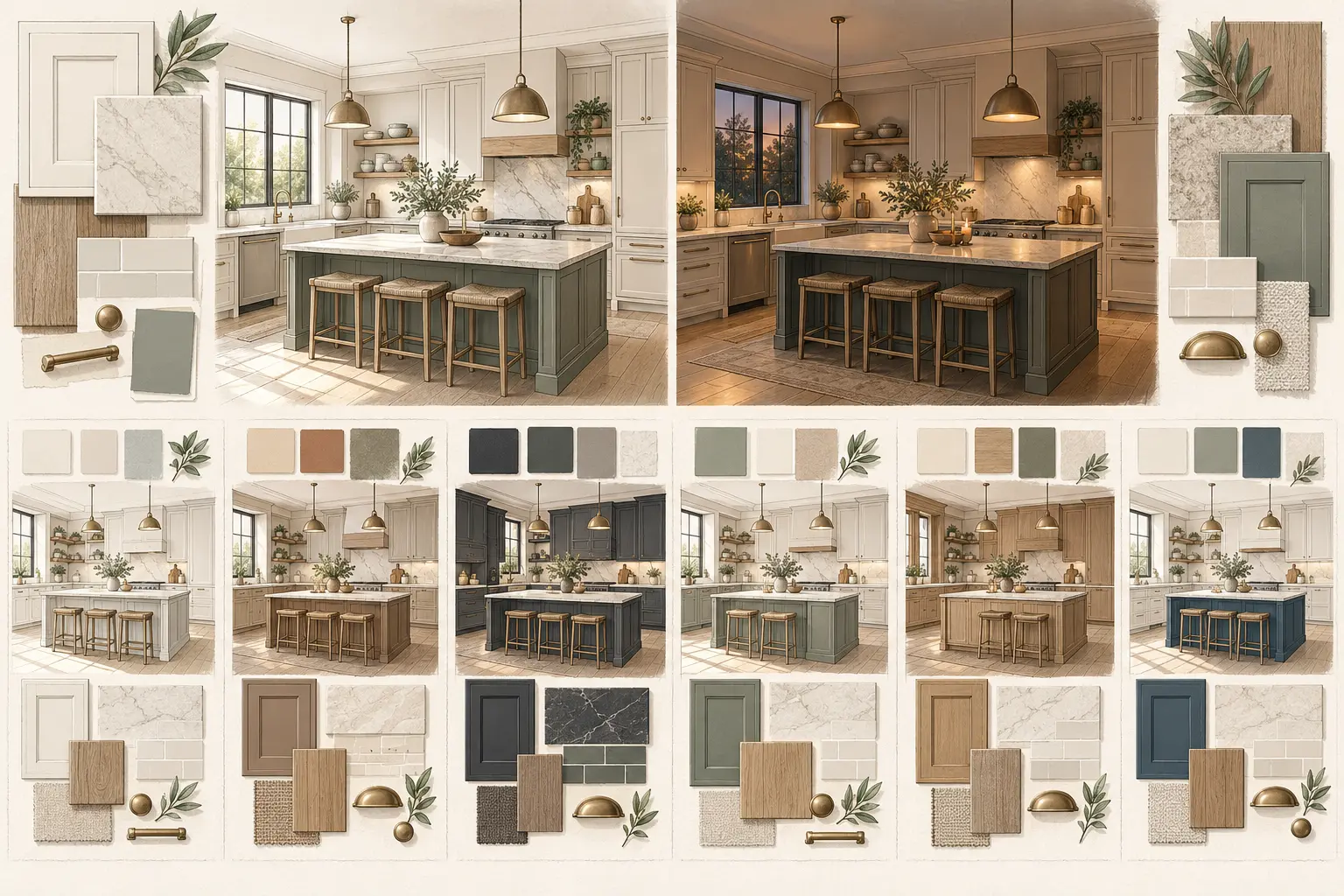
- Material Selection: Cabinets, countertops, flooring, lighting, and hardware all contribute to the overall style.
- Future Flexibility: Consider whether your selections are likely to feel timeless or whether they reflect a short-term trend.
- Budget: Different styles may require different materials, finishes, or custom details that affect overall project cost.
Common Kitchen Design Styles
Traditional
Often features raised-panel cabinetry, decorative molding, warm colors, and timeless detailing.
Transitional
Blends traditional and contemporary elements to create a balanced, versatile design.
Contemporary
Focuses on current design trends, clean lines, and a mix of materials and textures.
Modern
Emphasizes simplicity, minimal ornamentation, flat-panel cabinetry, and uncluttered spaces.
Farmhouse
Combines warmth and practicality with natural materials, simple details, and comfortable living.
Craftsman
Highlights quality craftsmanship, natural wood, detailed trim, and functional design.
Scandinavian
Prioritizes simplicity, natural light, light colors, and practical functionality.
Industrial
Incorporates exposed materials, metal finishes, concrete, and a utilitarian aesthetic.
Questions Your Designer May Ask
- Which kitchens have inspired you during your research?
- Do you prefer a timeless appearance or something more current?
- What architectural style is your home?
- Are there materials or colors you know you like—or dislike?
- How important is resale value compared to personal preference?
- Do you want your kitchen to blend with adjoining rooms or become a focal point?
Looking Beyond Labels
Many successful kitchens combine elements from multiple design styles. Rather than trying to fit into a single category, focus on creating a space that feels cohesive, functional, and authentic to your home. Good design is rarely defined by a label alone.
Common Misconceptions
One kitchen style is better than all others. Each design style offers unique strengths. The best choice depends on your home's architecture, your personal preferences, and how you use the space.
Following current trends guarantees lasting value. Trends naturally evolve. Timeless design often comes from balancing current ideas with classic principles rather than chasing every new style.
Every element must match the same style. Mixing complementary elements can create a more personalized and visually interesting kitchen when done thoughtfully.
Modern means cold and uncomfortable. Modern kitchens can feel warm and inviting through the use of natural materials, texture, and lighting.
Traditional kitchens are outdated. Traditional design continues to evolve and remains popular because of its timeless character and flexibility.
Foundation Tip
Instead of collecting inspiration photos based solely on appearance, pay attention to what attracts you about each kitchen. You may discover that your favorite spaces share common themes—such as warmth, simplicity, natural light, or functionality—even if they belong to different design styles.
Closing Thought
Choosing a kitchen style is about creating a space that feels right for your home and the people who use it every day. A thoughtfully designed kitchen should reflect your lifestyle, complement your home's character, and remain enjoyable long after design trends have changed.