Why the Bathtub Matters
For some households, a bathtub is used every day. For others, it may rarely be used. Understanding how you and your family use the space is the first step in deciding whether to include a tub and what type is appropriate.
Bathtubs also influence bathroom layout, plumbing, waterproofing, flooring, and the overall investment in the renovation.
Consider the Type of Bathroom
- Primary Bathroom: Decide whether a soaking tub adds meaningful value to your daily routine or whether a larger shower would be more beneficial.
- Hall or Shared Family Bathroom: A bathtub is often valuable for bathing young children and may appeal to future buyers.
- Guest Bathroom: A tub may not be necessary unless the room also serves as a family bathroom.
- Powder Room: Bathtubs are not applicable.
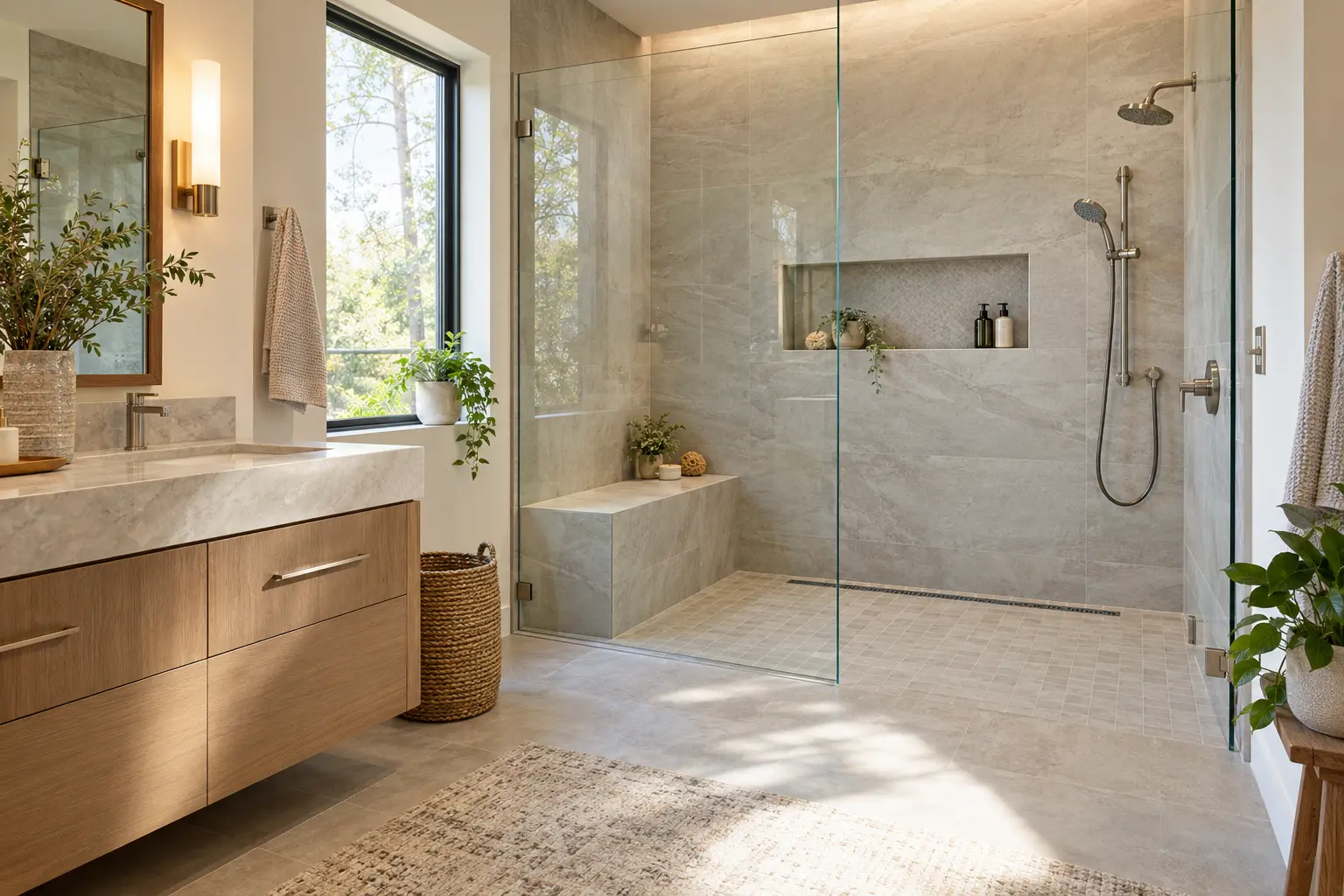
- Accessible or Aging-in-Place Bathroom: Stepping over a tub can become difficult. Consider whether a curbless shower may better support long-term accessibility.
Key Factors to Consider
- How Often It Will Be Used: Choose a tub because it fits your lifestyle, not because it is expected.
- Available Space: A bathtub should fit comfortably without compromising circulation or storage.
- Comfort: Consider depth, length, back support, and ease of entry and exit.
- Maintenance: Some tub styles are easier to clean than others.
- Water Usage: Larger tubs require more water and may influence water heater sizing.
- Budget: The tub itself, plumbing, surrounds, and installation all contribute to the total investment.
Common Bathtub Types
Alcove Tub
The most common option, installed between three walls and often paired with a shower.
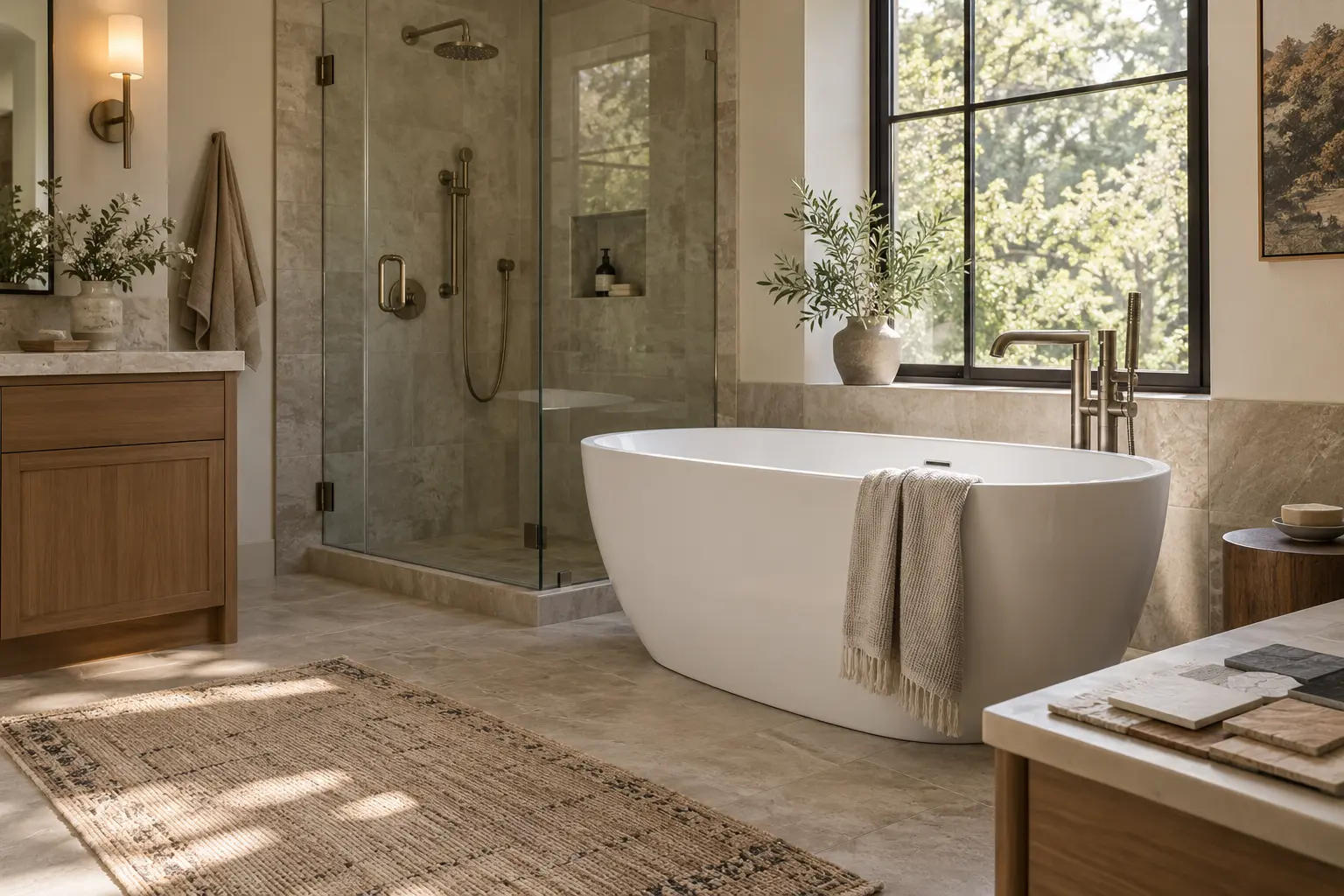
Freestanding Tub
Creates a dramatic focal point and works best where space allows.
Drop-In Tub
Installed into a framed deck, offering design flexibility.
Undermount Tub
Finished with a surrounding deck for a clean appearance.
Walk-In Tub
Designed for users with mobility concerns, providing easier entry and exit.
Hydrotherapy Tubs (Whirlpool, Air, and Combination Tubs)
Hydrotherapy tubs offer features beyond a traditional soaking bath by circulating water, air, or a combination of both to create a massage experience. While these tubs can provide relaxation and therapeutic benefits, they also require additional planning and maintenance.
Whirlpool Tubs
Use water jets powered by a pump to provide a vigorous massage experience.
Air Tubs
Use thousands of tiny air bubbles to create a gentler, spa-like bathing experience and are generally easier to maintain than traditional whirlpool tubs.
Combination Tubs
Combine both water jets and air systems, allowing homeowners to choose between different massage experiences.
Planning Considerations
- Electrical requirements – Confirm the selected tub’s voltage, circuit capacity and GFCI protection requirements with its manufacturer and a licensed electrician, using the codes adopted locally.
- Access panels – Pumps, motors, and controls should remain accessible for future servicing.
- Water heater capacity – Larger hydrotherapy tubs may require additional hot water capacity.
- Structural support – A filled tub can add significant weight to the floor system.
- Maintenance – Jet systems require periodic cleaning to maintain performance and hygiene.
Questions Your Designer or Contractor May Ask
- How often do you realistically take baths?
- Do you need a tub for children or pets?
- Would you rather have a larger shower if space is limited?
- Are accessibility or aging-in-place considerations important?
- Does your water heater have adequate capacity for a larger soaking tub?
- Will this bathroom be your long-term primary bathroom?
Looking Beyond Luxury
A bathtub should earn its place in the bathroom by supporting your lifestyle. While large soaking tubs can be beautiful, they also require space, water, maintenance, and, in some cases, additional electrical and structural planning.
Common Misconceptions
Every primary bathroom needs a freestanding tub. Many homeowners discover they rarely use one. The best choice depends on your habits and priorities.
Every luxury bathroom needs a jetted tub. Hydrotherapy tubs can be wonderful for homeowners who will use them regularly, but they also require additional maintenance, electrical planning, and space. For many people, a quality soaking tub or larger shower provides greater everyday value.
Removing every bathtub hurts resale value. Many buyers appreciate having at least one bathtub somewhere in the home, but not necessarily in every bathroom.
Bigger tubs are always better. Larger tubs require more space, water, and heating capacity.
The tub decision is only about style. It affects layout, plumbing, accessibility, maintenance, and budget.
Foundation Tip
If you're even considering a whirlpool or air tub, discuss the electrical, structural, and water-heating requirements during the design phase. Planning for these systems early is much easier than trying to add them later.
Closing Thought
The best bathtub is the one that supports the way you live. By balancing comfort, function, space, maintenance, and long-term goals, you can choose a solution that continues to serve your household for years to come.