Why Storage Matters
Bathrooms are often among the smallest rooms in a home, yet they need to accommodate a surprising number of personal items. Towels, toiletries, medications, cleaning supplies, and grooming tools all require accessible, organized storage.
Store medications according to their labels and pharmacist’s guidance; bathroom heat and humidity can damage medicines, and medications should be secured out of children’s sight and reach. A well-designed storage plan helps reduce clutter, improves daily routines, and can make even a smaller bathroom feel more spacious.
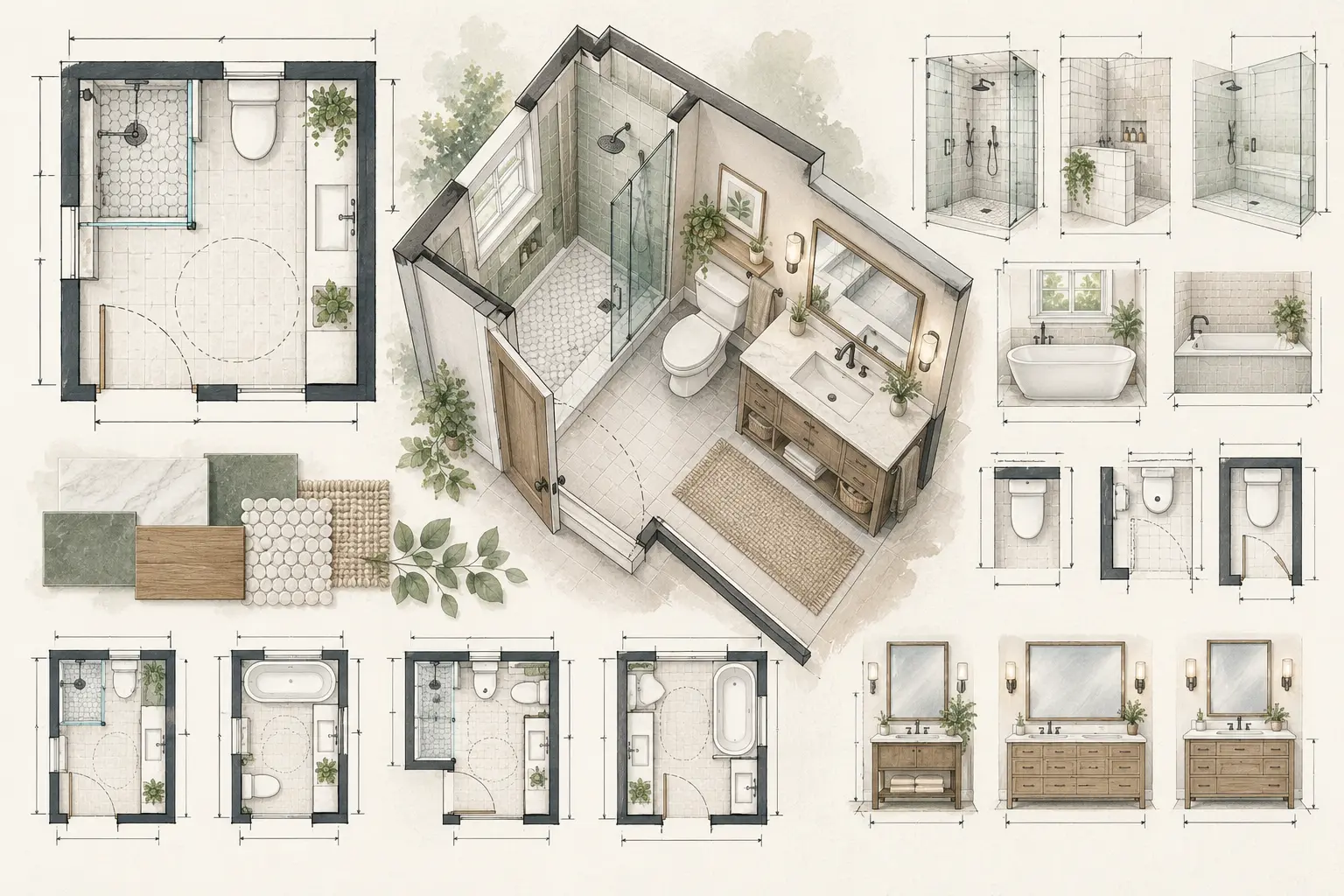
Consider the Type of Bathroom
- Primary Bathroom: Usually benefits from the greatest amount of dedicated storage for two people and everyday routines.
- Hall or Shared Family Bathroom: Requires flexible storage that is durable, organized, and easy for multiple users to access.
- Guest Bathroom: Storage needs are typically modest, allowing the design to emphasize appearance and openness.
- Powder Room: Minimal storage is often sufficient, with a focus on essentials and maintaining an uncluttered appearance.
- Accessible or Aging-in-Place Bathroom: Frequently used items should be easy to reach without excessive bending, stretching, or lifting.
Key Factors to Consider
- Daily Routines: Store items where they are used most often.
- Accessibility: Keep everyday essentials within comfortable reach.
- Open vs. Concealed Storage: Balance decorative display with enclosed storage that reduces visual clutter.
- Cleaning: Storage solutions should make the bathroom easier—not harder—to clean.
- Future Needs: Plan for changing storage requirements over time.
- Budget: Thoughtful organization often provides greater value than simply adding larger cabinets.
Common Bathroom Storage Solutions
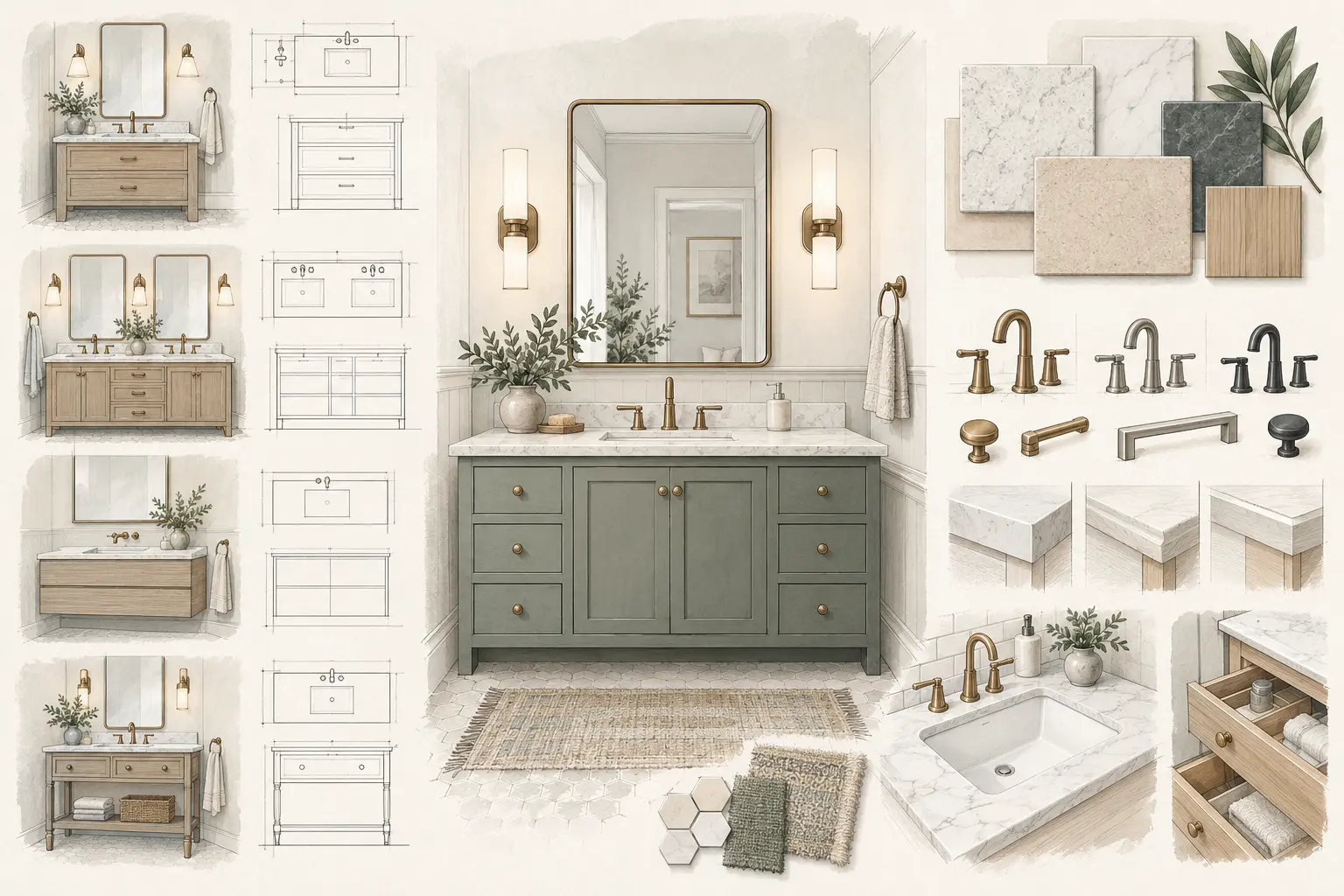
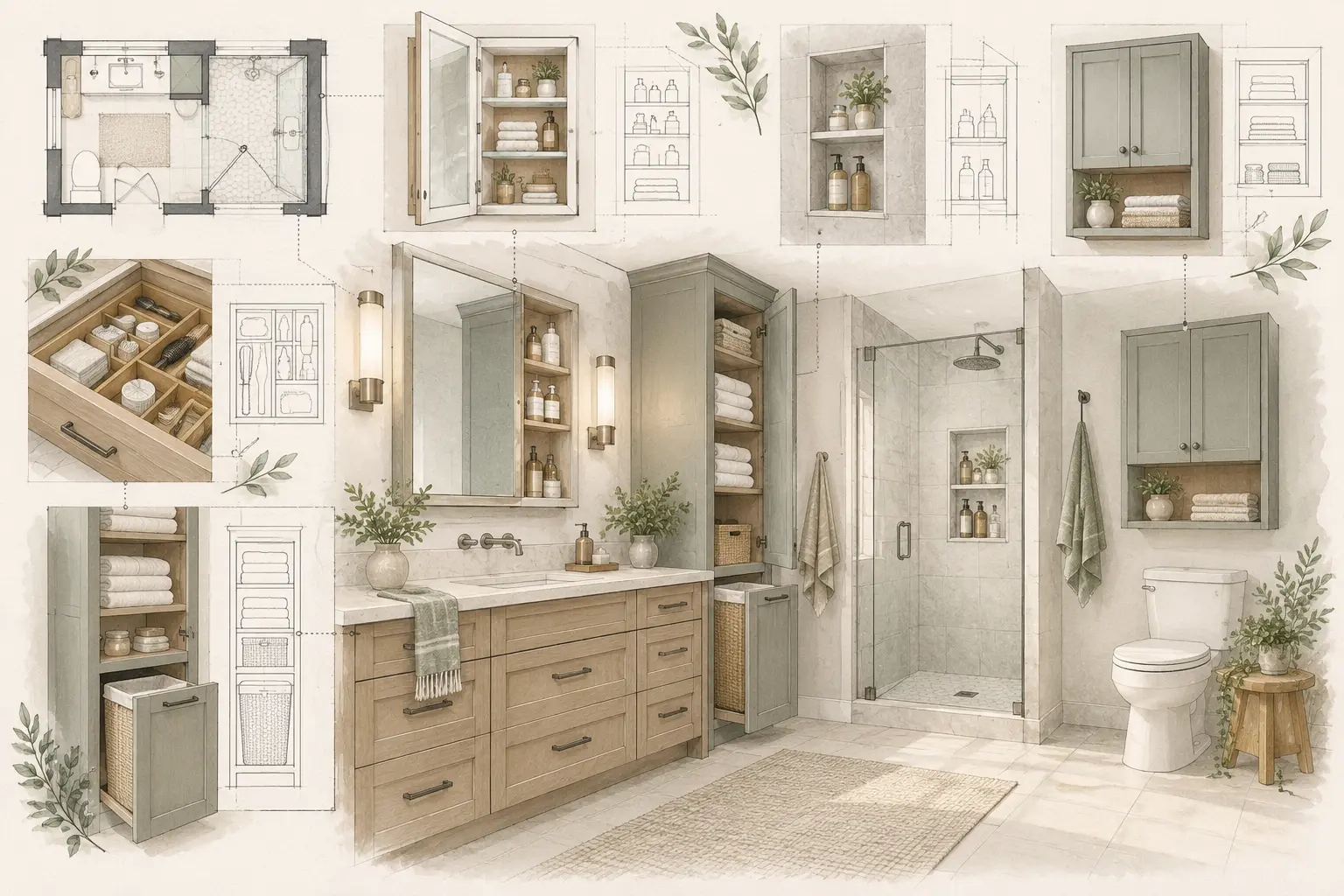
Vanity Cabinets
The primary storage location in most bathrooms.
Drawer Organization
Dividers and organizers help maximize usable space.
Medicine Cabinets
Provide convenient storage while often serving as a mirror.
Linen Cabinets
Ideal for towels and larger supplies when space allows.
Open Shelving
Can create an open feel while displaying attractive everyday items.
Recessed Niches
Useful in showers for shampoo, soap, and other bathing products.
Built-In Storage
Custom solutions can maximize otherwise unused space.
Questions Your Designer or Contractor May Ask
- Who uses this bathroom each day?
- What items create the most clutter today?
- Do you need additional towel or linen storage?
- Would you prefer open shelving, concealed storage, or a combination?
- Are there accessibility considerations that affect storage locations?
- How much countertop space do you want to keep clear?
Looking Beyond Cabinet Size
The most effective storage solutions support the way you live. A well-organized bathroom often feels larger and more comfortable, even when the overall footprint remains unchanged.
Common Misconceptions
More cabinets always mean better storage. Well-designed organization is often more valuable than simply adding more cabinetry.
Open shelving works for every bathroom. Open shelves require regular organization and may not suit every household or lifestyle.
Storage should be an afterthought. Planning storage early helps improve the overall layout and functionality of the room.
Every bathroom needs the same amount of storage. Storage requirements vary significantly depending on who uses the bathroom and how often.
Countertops should provide most of the storage. Keeping countertops clear generally creates a cleaner, more functional, and more relaxing space.
Foundation Tip
Before designing your new bathroom, gather everything currently stored in the room and group similar items together. This simple exercise often reveals how much storage you actually need—and where it will be most useful.
Closing Thought
Successful bathroom storage isn't measured by the number of cabinets you install. It's measured by how easily the space supports your daily routine while keeping the room organized, functional, and enjoyable to use.