Why the Sink Matters
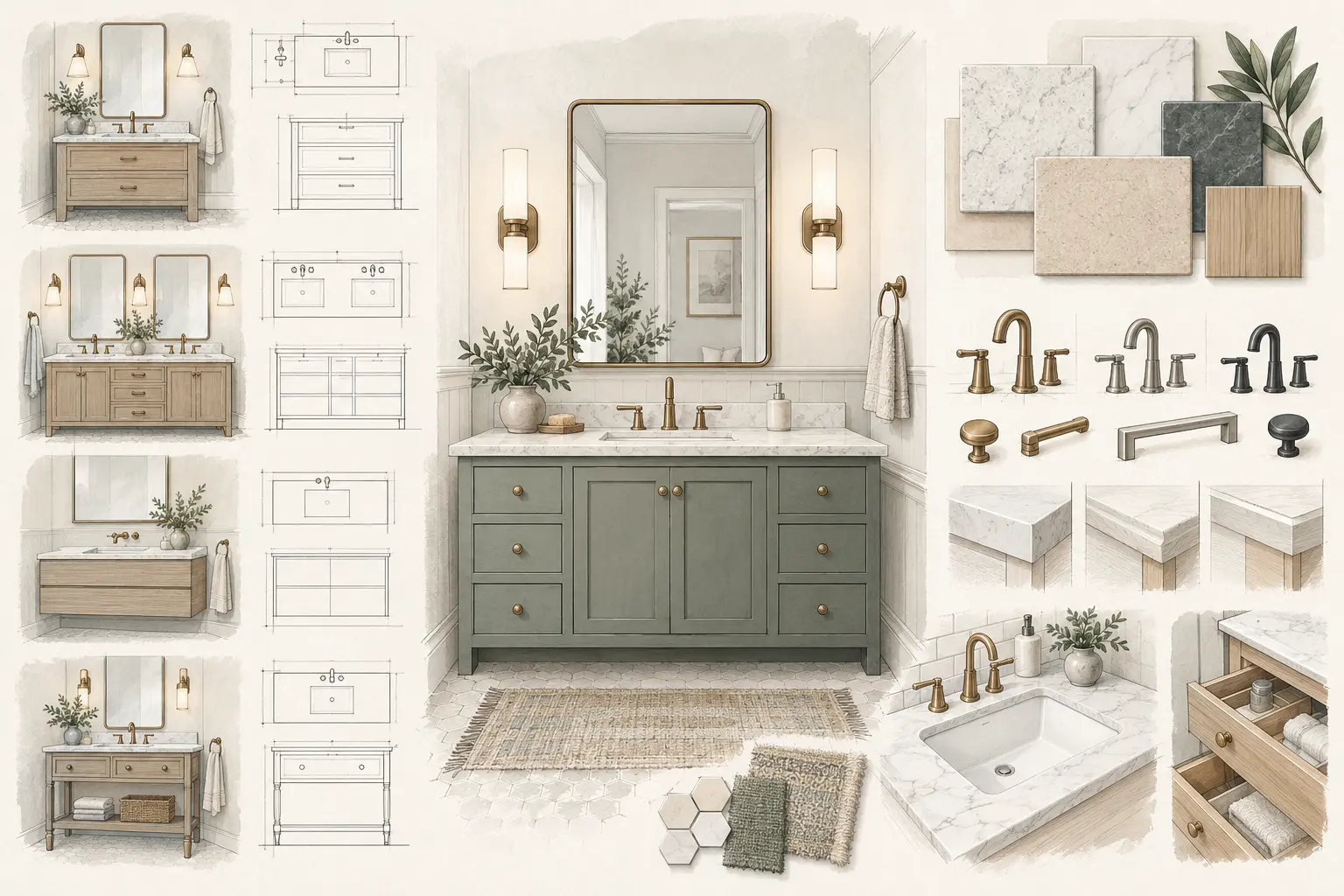
The sink is one of the most frequently used fixtures in any bathroom. Beyond appearance, the size, shape, depth, and installation method affect cleaning, countertop space, splash control, and everyday usability.
Selecting the right sink early in the design process also helps coordinate countertop fabrication, plumbing, faucets, mirrors, and cabinetry.
Consider the Type of Bathroom
- Primary Bathroom: Comfort, countertop space, and ease of daily use are often the highest priorities.
- Hall or Shared Family Bathroom: Choose durable, easy-to-clean sinks that can withstand frequent use.
- Guest Bathroom: A decorative sink can become a design feature while still providing adequate functionality.
- Powder Room: Smaller sinks often work well, allowing more flexibility in a compact space.
- Accessible or Aging-in-Place Bathroom: Consider sink height, knee clearance, reach ranges, and ease of operation.
Key Factors to Consider
- Sink Size: Choose a sink that provides enough basin space without overwhelming the vanity.
- Countertop Space: Balance basin size with usable surface area for everyday items.
- Cleaning: Some sink styles have fewer seams and are easier to keep clean.
- Splash Control: Basin depth and faucet placement influence how much water escapes the sink.
- Faucet Compatibility: Not every sink works with every faucet configuration.
- Maintenance: Material and installation style affect long-term care.
- Accessibility: Height, depth, and clear floor space should support the users of the bathroom.
Common Bathroom Sink Types
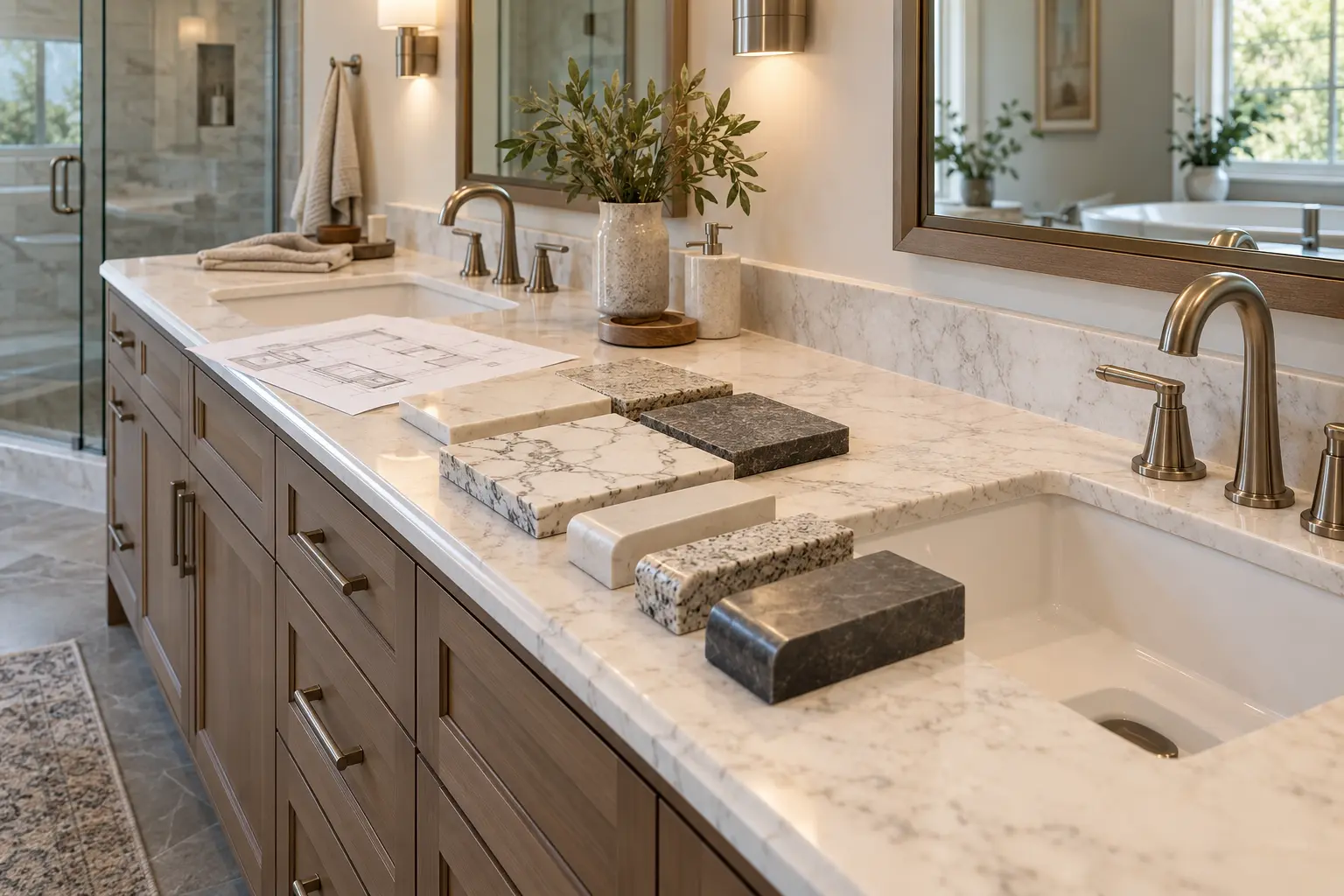
Undermount Sink
Installed beneath the countertop for a seamless appearance and easy cleaning.
Drop-In Sink
Rests on the countertop and is generally easy to install or replace.
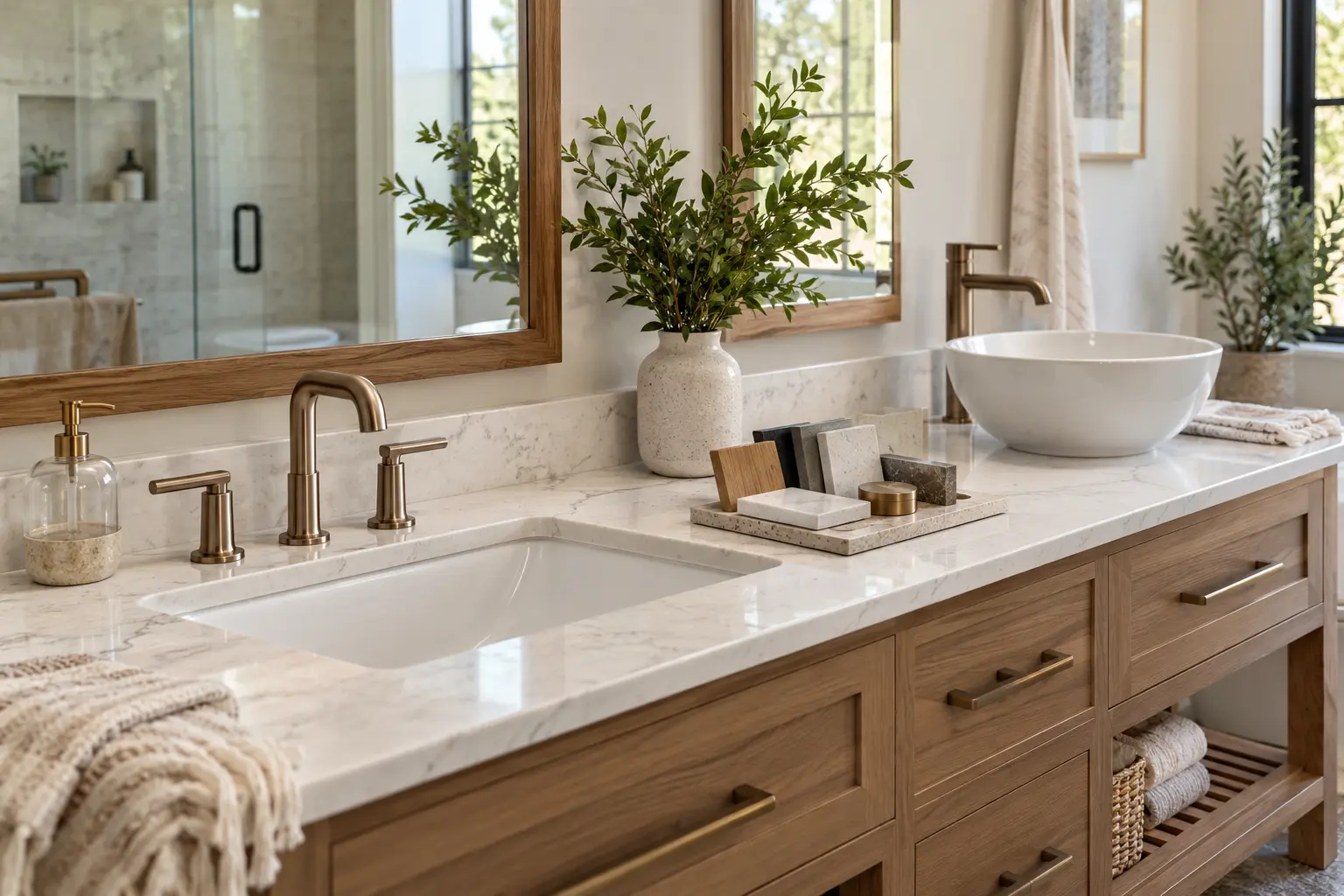
Vessel Sink
Sits above the countertop, creating a distinctive design statement.
Integrated Sink
Formed as part of the countertop for a seamless look with minimal joints.
Pedestal Sink
Provides an open appearance but offers little or no built-in storage.
Wall-Mounted Sink
Common in smaller or accessible bathrooms where open floor space is beneficial.
Questions Your Designer or Contractor May Ask
- How many people use this sink every day?
- Is countertop space or basin size more important to you?
- Do you prefer a modern or traditional appearance?
- How much maintenance are you comfortable with?
- Will this sink be used primarily by adults, children, or guests?
- Are there accessibility considerations that should influence the selection?
Looking Beyond Appearance
While style is important, the best sink is the one that supports your daily routine. Ease of cleaning, splash control, durability, and compatibility with the vanity and countertop often have a greater impact on long-term satisfaction than appearance alone.
Common Misconceptions
A larger sink is always better. An oversized sink can reduce valuable countertop space without improving functionality.
Vessel sinks are only decorative. They can work well in the right application, but their height and cleaning requirements should be considered.
All sink materials perform the same. Different materials vary in durability, maintenance, and resistance to staining or chipping.
The sink can be selected after the countertop. Sink selection influences countertop fabrication and faucet placement and should be made early.
Every bathroom needs the same type of sink. The best sink depends on the room's purpose and the people using it.
Foundation Tip
Think about how you actually use your bathroom sink each day. Small details like basin depth, countertop space, and faucet placement often have a greater impact on daily satisfaction than the sink's style.
Closing Thought
The right bathroom sink should complement both your design vision and your daily routine. Choosing a sink that balances functionality, maintenance, and aesthetics will help create a bathroom that performs well for years to come.