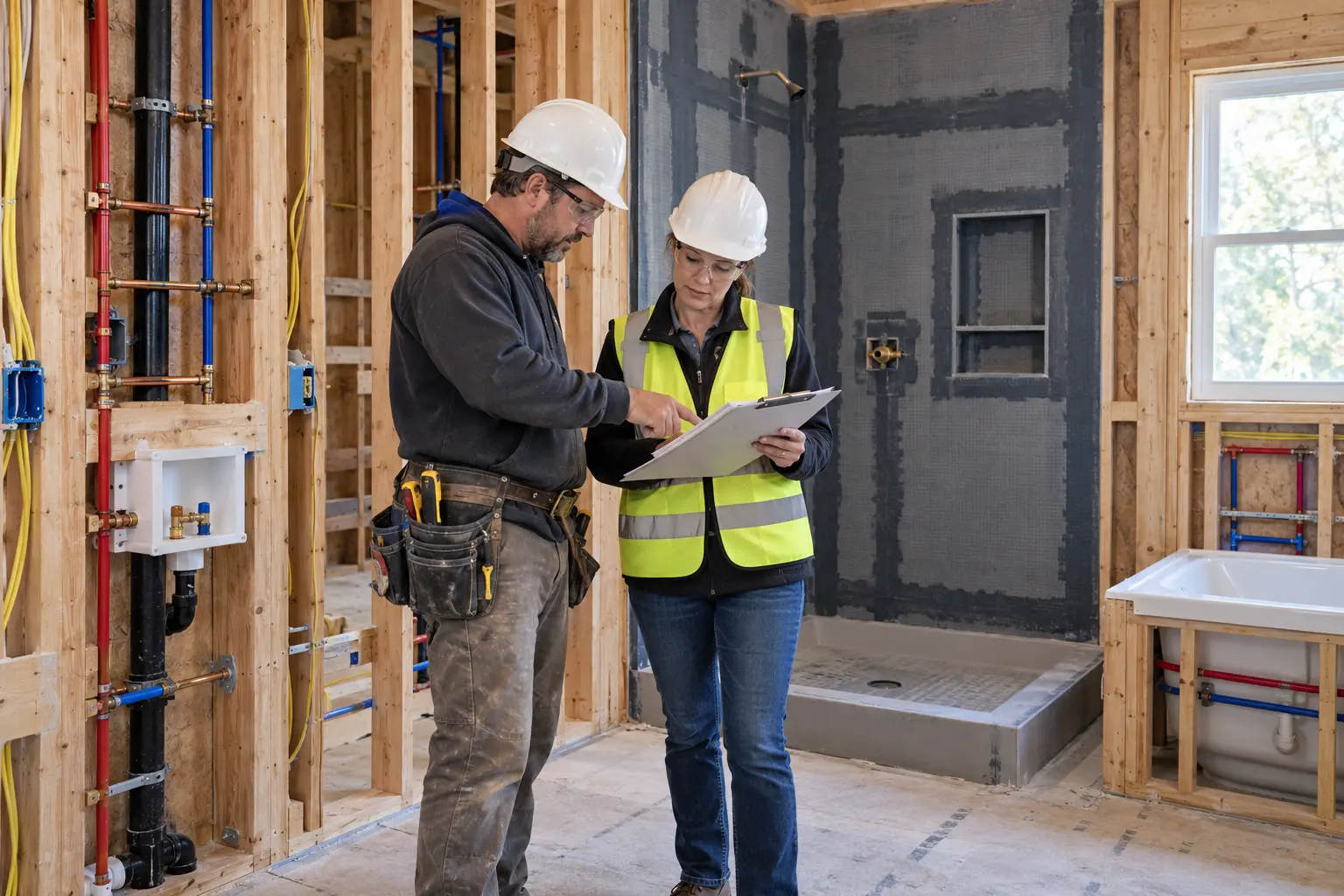
Why Permits Matter
Building permits are intended to verify that renovation work complies with applicable building, plumbing, electrical, and mechanical codes. While permits add time to a project, they also provide an additional layer of oversight that helps identify issues before they become costly problems.
When Permits Are Commonly Required
- Structural Changes: Removing or altering walls, framing, or other structural elements.
- Plumbing Modifications: Relocating drains, water supply lines, or adding new plumbing fixtures.
- Electrical Work: Adding circuits, relocating outlets, installing heated floors, or making significant wiring changes.
- Mechanical Work: Installing or modifying exhaust fans or ductwork.
- Window or Door Changes: New or resized openings that affect the building envelope.
Simple cosmetic work such as painting, replacing finishes, or installing similar fixtures may not require permits in many jurisdictions, but requirements vary by location.
The Inspection Process
- Plan Review: Some projects require plans to be reviewed before permits are issued.
- Rough Inspections: Completed before walls are closed to verify framing, plumbing, electrical, and mechanical work.
- Insulation or Waterproofing Inspections: Required in some jurisdictions depending on the scope of work.
- Final Inspection: Confirms the completed project complies with applicable codes before the permit is closed.
Who Obtains the Permit?
In most professionally managed remodels, the contractor obtains the required permits. Homeowners should verify who is responsible before construction begins and confirm that permits are posted or otherwise available when required.
Questions to Ask Before Construction
- Does this project require permits?
- Who will obtain the permits?
- What inspections should I expect?
- Will the permit be closed at the end of the project?
- Will I receive copies of the final inspection approvals?
California Consideration
California building codes are updated regularly and local jurisdictions may adopt additional requirements. Bathroom remodels often involve California Plumbing Code, Electrical Code, Mechanical Code, Energy Code (Title 24), and local amendments. Requirements vary by city and county, so homeowners should confirm local permitting requirements before work begins.
Looking Beyond the Permit
A permit is not a guarantee of perfect workmanship. It is one part of a successful renovation that should be combined with quality design, experienced contractors, proper materials, and good communication throughout the project.
Common Misconceptions
Permits are only a way to collect fees. Permits also provide independent code review and inspections intended to improve safety.
If a contractor says permits aren't needed, that settles it. Homeowners should understand why permits are or are not required for their specific project.
Inspections catch every possible issue. Inspectors verify code compliance but are not performing comprehensive quality-control inspections.
Skipping permits saves money. Unpermitted work can create problems when selling a home, filing insurance claims, or performing future renovations.
Foundation Tip
Ask permit questions before signing a construction contract. Understanding who is responsible for permitting, what inspections will occur, and how the permit will be closed helps avoid confusion later and gives you confidence that your project is being completed in accordance with local requirements.
Closing Thought
Permits and inspections are an important part of many bathroom renovations. While they may seem like an extra step, they help protect homeowners by verifying that critical work meets current building codes and by creating a documented record of the completed project.