Homeowners often begin an ADU project by asking whether they need an architect, a residential designer or a design-build company. Each approach can produce a successful project, but the services, responsibilities, contracts and decision process may be very different.
The best choice depends on the property, project complexity, jurisdiction, desired level of customization, budget strategy and how much coordination the homeowner wants to manage. The company label matters less than the actual people, scope and accountability behind it.
First, Separate Professional Role From Delivery Method
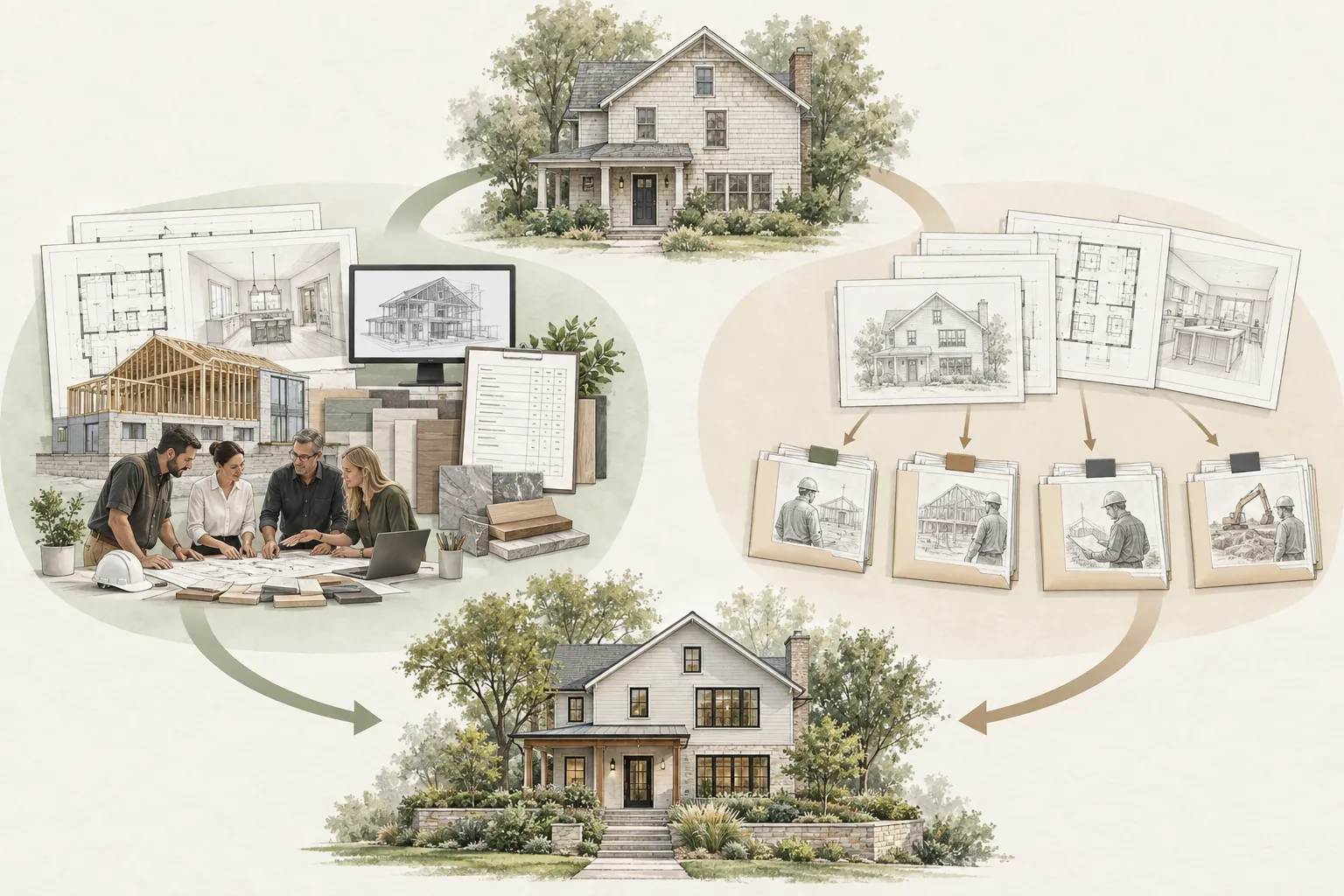
An architect or residential designer describes who may lead or prepare the design. Design-build describes a delivery method in which design and construction are provided through one organization or contractual team.
These categories can overlap. A design-build company may employ architects, work with outside designers or rely on engineers for portions of the work. An architect may also provide construction-phase services or partner closely with a contractor. Always review the proposed scope rather than assuming the title defines what is included.
Architect-Led ADU Design
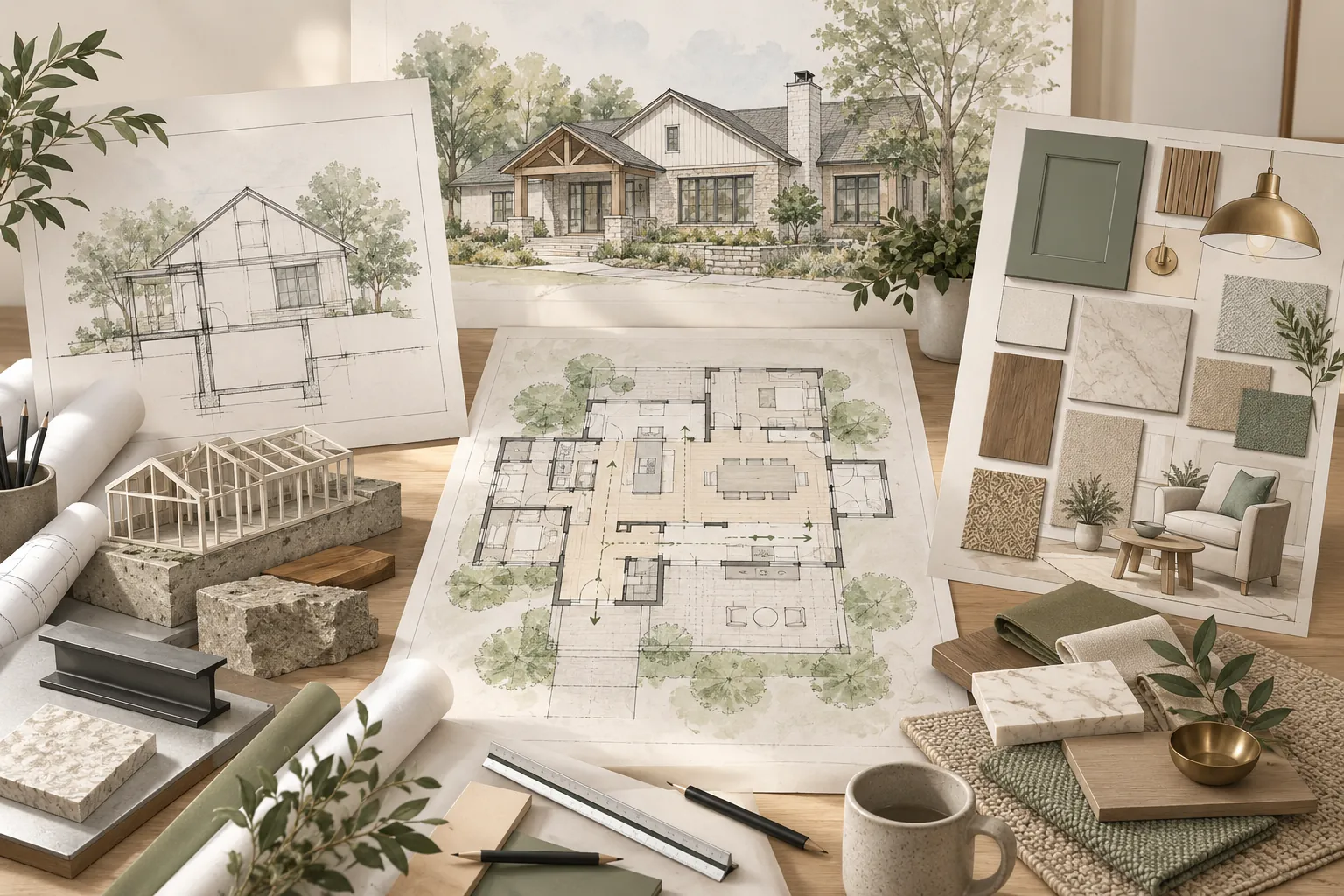
A licensed architect may provide site analysis, code review, planning, design, consultant coordination, permit documents and construction-phase services. Architects are often a strong fit when the ADU has complex site conditions, significant customization, an important relationship to the primary home or alterations to an existing structure.
Potential advantages include:
-
Independent design representation for the homeowner
-
A broad approach to site, layout, appearance and building systems
-
Experience coordinating engineers and other consultants
-
Ability to develop detailed drawings and specifications when included
-
Continued design involvement during bidding and construction when contracted
Potential considerations include a longer design process, separate contracts for construction and consultant services, and fees that reflect the level of professional involvement. Not every architect specializes in small residential or ADU work, so relevant experience matters.
Residential Designer-Led ADU Design
A residential designer may offer efficient, practical design services for straightforward ADUs. Qualifications, licensing rules and permitted scope vary by jurisdiction, so homeowners should confirm what the designer may legally prepare and whether licensed professionals are still required for structural or other work.
Potential advantages include:
-
Focused experience with residential layouts and local ADU requirements
-
A streamlined process for common or relatively simple project types
-
Potentially lower design fees or fewer service layers
-
Access to established engineering and permitting relationships
Potential considerations include variation in training, documentation depth, consultant coordination and construction-phase support. A lower initial design fee may exclude engineering, revisions, agency coordination, interior details or site visits.
Design-Build ADU Delivery
Under design-build, one company or coordinated team provides both design and construction. The homeowner typically has a single primary contract or point of responsibility, although consultants, specialty trades and utility work may still be separate.
Potential advantages include:
-
Earlier coordination between design and construction
-
A single point of contact for many project decisions
-
Earlier contractor input on cost, access, sequencing and materials
-
Fewer handoffs between a separately hired designer and builder
-
Potentially faster movement from concept into construction
Potential considerations include less independent separation between design advice and construction sales, difficulty comparing construction pricing before the design is defined, and limitations on taking the design to another builder. The homeowner should understand ownership of drawings, termination rights and what happens if the project does not proceed with that company.
Traditional Design-Bid-Build
When a homeowner hires the designer first and selects the contractor after the design is developed, the project generally follows a design-bid-build approach. The designer and contractor have separate agreements with the owner.
This structure can support competitive pricing and independent design oversight. It also requires coordination between separate parties, and the owner may need to manage disagreements about scope, constructability or responsibility unless the designer provides active construction administration.
Contractor-Involved Preconstruction
A hybrid approach brings a contractor into the project during design while keeping the design and construction agreements separate. The contractor may provide estimates, scheduling, logistics and constructability input before final pricing.
This can combine independent design leadership with early construction knowledge. The preconstruction scope should state what estimates and reviews are included, whether the contractor is guaranteed the construction work, and how the owner may seek other bids if needed.
Prefab and Standard-Plan Providers
Prefab companies and standard-plan providers may offer a defined unit design, a limited set of options or a factory-built structure. This can simplify some design decisions, but it does not eliminate site-specific work.
The homeowner should confirm responsibility for zoning analysis, surveys, foundations, grading, utility connections, local engineering, permits, transport, crane access, site restoration and inspections. A standardized unit may still require a customized site and approval team.
Match the Approach to Project Complexity
A relatively simple detached ADU on a level, accessible site may fit a streamlined designer or experienced design-build process. An attached ADU, second story, garage conversion, hillside site or project with difficult utilities may benefit from deeper architectural and engineering involvement.
Complexity should be judged by the property and scope—not only by square footage. A small ADU can require substantial coordination when access, foundations, drainage, fire separation or utility capacity are challenging.
Compare the Actual Scope of Services
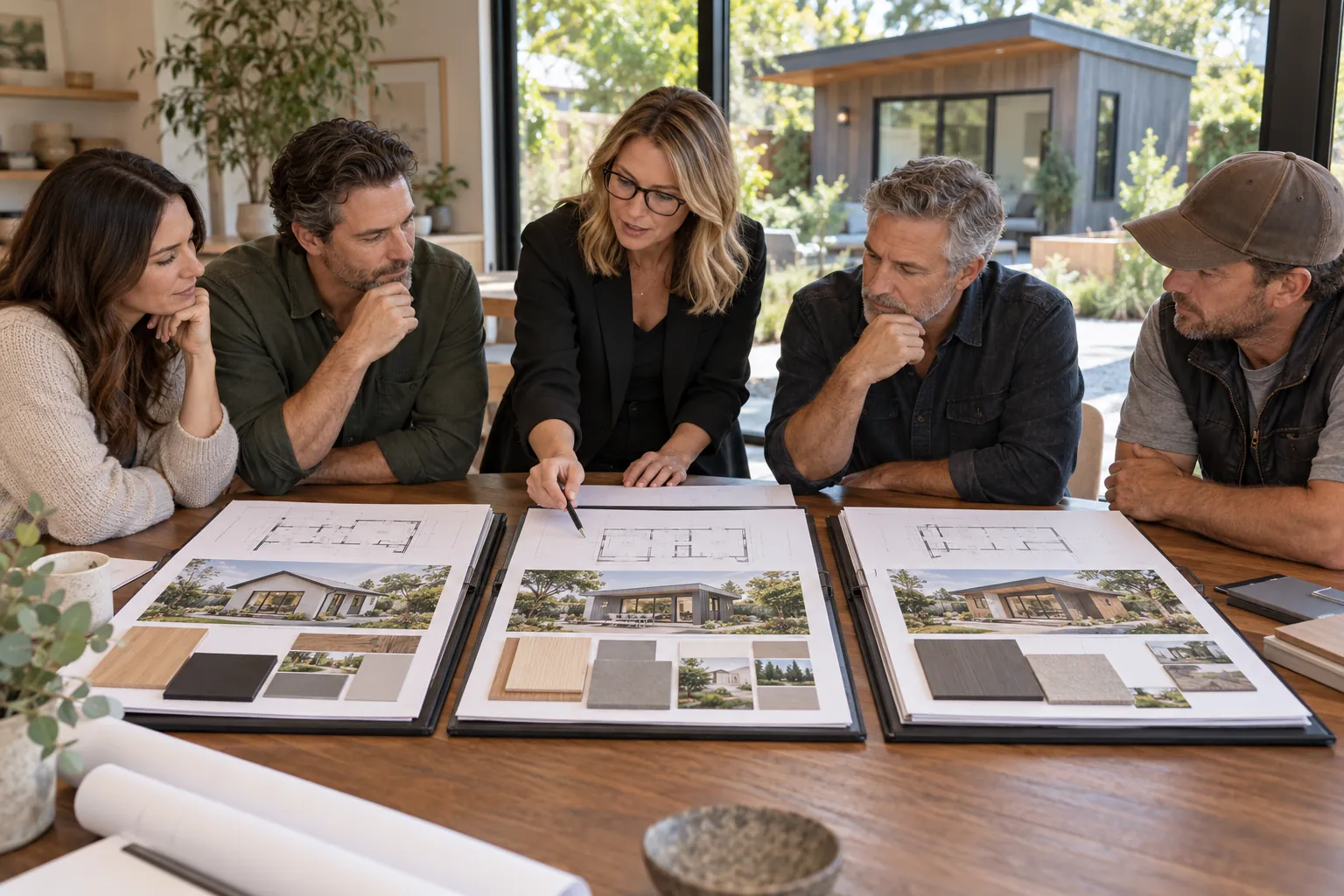
Ask every candidate to identify what is included, optional, excluded or performed by others. Compare:
-
Site verification, measurement and survey coordination
-
Zoning, code and feasibility analysis
-
Concept design and number of revision rounds
-
Architectural, structural and consultant documents
-
Energy compliance and utility coordination
-
Permit submission, fees and correction responses
-
Cost estimates and when they will be updated
-
Interior selections and finish documentation
-
Bidding, contractor selection and construction-phase services
-
Closeout, warranty and occupancy support
Two proposals with similar prices may include very different levels of service.
Understand Who Represents the Homeowner
In an architect- or designer-led process, the design professional may act as an independent advisor within the limits of the agreement. In design-build, the same organization is responsible for both design and construction, which can simplify accountability but changes the advisory relationship.
Neither structure is inherently better. Homeowners who want one accountable team may prefer design-build. Those who want independent design development, competitive contractor selection or a separate professional reviewing construction may prefer a designer-led approach.
Ask When the Price Becomes Reliable
Early ADU pricing is based on limited information. A design-build company may offer budget guidance quickly, while a designer-led process may wait for more developed documents before contractor pricing. In either model, ask what the number includes, what remains an allowance and what site or utility assumptions have not been verified.
A fixed-looking early price is not necessarily more complete than a range. Compare design maturity, exclusions, escalation, allowances, contingency and the process for updating the budget.
Review Contract and Drawing Ownership
Before committing, confirm who owns or may use the drawings, whether they can be transferred to another contractor, and what happens if the project stops after design or permitting. Some agreements provide a limited license only while the company remains involved.
Also review termination provisions, payment milestones, consultant contracts, permit ownership and responsibility for incomplete or rejected documents. These terms can materially affect the homeowner’s options.
Evaluate Local ADU Experience
Relevant experience can reduce avoidable learning, but do not rely only on the number of ADUs advertised. Ask about projects similar in type, site conditions and jurisdiction.
Look for evidence that the team understands utility coordination, occupied-property logistics, local reviews, site work and closeout—not just floor-plan design. Verify licenses, insurance and references appropriate to the services being offered.
Look Beyond Speed
A faster process can be valuable, but schedule claims should identify assumptions and dependencies. Surveys, engineering, utility approvals, agency review, owner decisions and long-lead materials may affect every delivery method.
Ask which parts of the timeline the team controls, which depend on third parties and how delays or design changes will be handled.
A Practical Decision Framework
-
An architect-led or designer-led approach may fit homeowners who want:
-
Independent design guidance and greater customization
-
The option to compare multiple contractors
-
A separate professional involved during construction
-
-
A design-build approach may fit homeowners who want:
-
One primary point of responsibility
-
Early builder involvement and integrated cost feedback
-
A more standardized or streamlined process
-
A hybrid preconstruction approach may fit homeowners who want independent design leadership plus early contractor input. The right answer should reflect the project and the homeowner’s decision style, not a universal ranking.
Common ADU Delivery-Method Mistakes
-
Assuming every architect, designer or design-builder offers the same services
-
Choosing based only on the lowest initial fee or fastest advertised schedule
-
Comparing prices without aligning scope and assumptions
-
Failing to confirm who coordinates engineering, utilities and permits
-
Accepting construction pricing before site and design assumptions are clear
-
Overlooking drawing ownership and termination terms
-
Selecting a standardized plan before confirming site feasibility
-
Failing to define construction-phase design support
Foundation Tip
Ask each candidate to describe the project from the homeowner’s first payment through final occupancy. Write down every handoff, separate contract, assumption and owner responsibility. The gaps in that explanation often matter more than the company’s title.
How Foundation Can Help
Foundation can help homeowners clarify their priorities, compare ADU delivery approaches and review proposed scopes before committing. This owner-side guidance is intended to improve questions and decision-making while leaving design, engineering and construction responsibility with the qualified professionals under contract.
Important Disclaimer
Licensing, design, engineering, contracting and permitting requirements vary by jurisdiction and project. This article provides general educational information and is not legal advice or a determination of which professional is required for a specific ADU. Verify qualifications, licenses, scopes and current requirements with the applicable authorities and qualified advisors.