Once you've identified the professionals who may be part of your renovation team, the next decision is how those professionals will work together. Two of the most common approaches are Design-Build and Design Then Build (sometimes called Design-Bid-Build). Both can produce outstanding renovations when they are matched to the right project and the homeowner's goals.
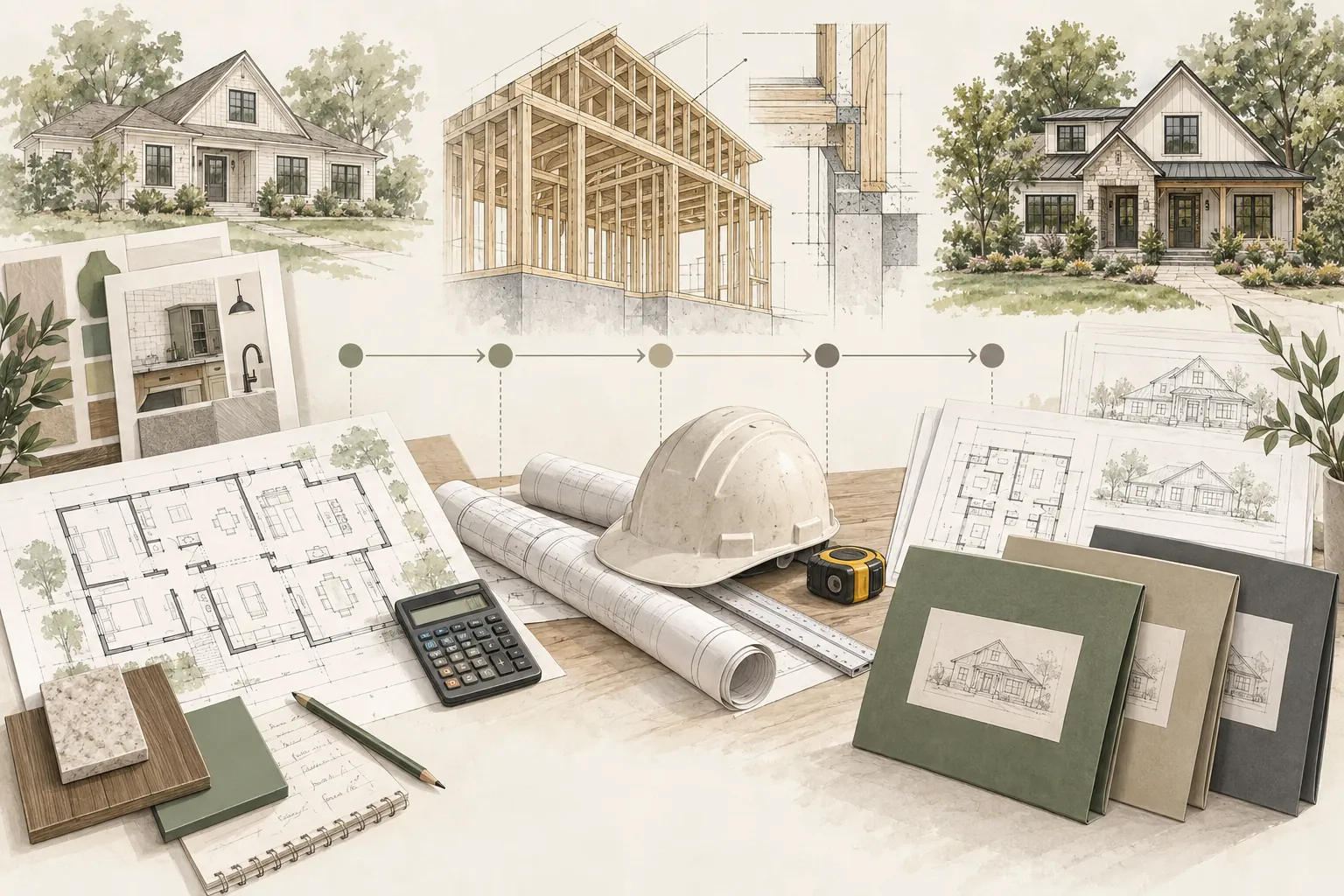
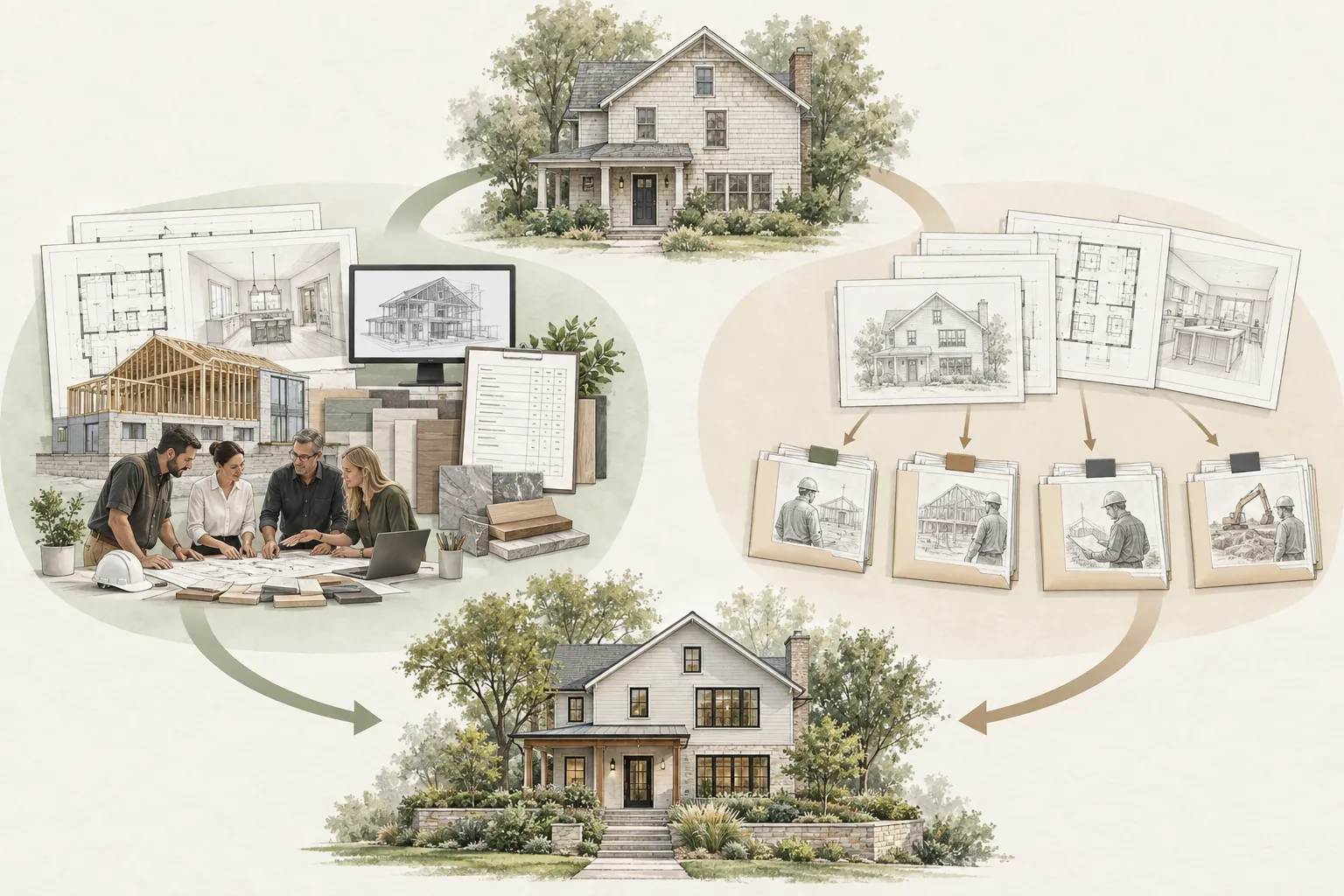
In a Design-Build project, one company provides both the design and construction services. Designers and construction professionals work together throughout the project, allowing constructability, budget, scheduling, and material availability to be considered as the design develops. Because the team is integrated, communication can be streamlined and decisions are often made more efficiently.
In a Design Then Build approach, the homeowner first works with an independent architect or residential designer to complete the design. Once the plans are sufficiently developed, one or more contractors are invited to provide proposals for constructing the project. This allows the homeowner to compare contractors using the same design documents before selecting the builder.
One difference homeowners sometimes notice is cost. Design-Build projects may have a higher upfront contract value because design services, preconstruction planning, estimating, and project coordination are integrated into a single team. However, that additional investment can also reduce redesign, improve budget alignment, identify constructability issues early, and help avoid costly changes during construction.
Likewise, a Design Then Build project is not automatically less expensive. Design fees are often contracted separately, and changes that occur after bidding can affect both cost and schedule. Rather than assuming one delivery method is cheaper, it is more helpful to evaluate the total value each approach provides for your particular project.
Neither approach is inherently better. The right choice depends on your project, your communication preferences, how involved you want to be in coordinating the team, and the level of confidence you have in the professionals you select.
Design-Build May Be a Good Fit If You...
- Prefer one company to coordinate both design and construction.
- Value collaboration between designers and builders from the beginning.
- Want budgeting and constructability considered throughout design.
- Prefer a single point of communication.
Design Then Build May Be a Good Fit If You...
- Want the design completed before selecting a contractor.
- Plan to compare proposals from multiple contractors.
- Prefer to keep design and construction as separate services.
- Already have a trusted architect or residential designer.
Common Misconceptions
- Design-Build is always more expensive. It may have a higher upfront cost, but better coordination and planning can reduce total project costs.
- Design Then Build always results in lower bids. Competitive bidding can be valuable, but the lowest initial proposal is not always the lowest final cost.
- Design-Build eliminates change orders. Changes can still occur when homeowners revise the scope or unforeseen conditions are discovered.
- Architects and contractors are always in conflict. Successful projects rely on collaboration regardless of delivery method.
- One delivery method is always better. The best approach depends on the project's goals, complexity, and the homeowner's preferences.
Foundation Tip
Don't focus solely on which approach appears less expensive at first. Consider the total value—including planning, coordination, communication, and risk management—when deciding how to deliver your renovation.
Closing Thought
Both Design-Build and Design Then Build have helped homeowners complete exceptional renovations. Understanding the strengths and tradeoffs of each approach allows you to choose the process that best supports your goals and gives you confidence before construction begins.
How Foundation Can Help
A Foundation Strategy Session™ and the resulting Foundation Renovation Roadmap™ can help homeowners clarify roles, decisions, responsibilities and the next planning steps before major commitments are made. Foundation Bid Review™ is available when focused contractor-proposal comparison support is appropriate. Foundation provides independent education, organization and decision support; it does not replace architects, designers, engineers, contractors, attorneys, lenders, permitting authorities or other qualified professionals.
Important Disclaimer
This article provides general educational information. Professional roles, licensing rules, contracts, delivery methods, permitting responsibilities and project requirements vary by jurisdiction, company and project. Verify current requirements and scopes with the applicable authorities and qualified professionals.