Construction preparation begins well before the first crew arrives. A detached ADU affects access, utilities, yards, fencing, parking, pets, neighbors and the day-to-day use of the main home.
The goal is not to make the property look empty. It is to create a safe, accessible work area while protecting the parts of the property that must remain in use.
Confirm the Construction Plan Before Mobilization
Before site work starts, the homeowner and contractor should agree on the practical plan for access, staging, protection, working hours, debris, temporary utilities and communication.
Ask for a clear answer to:
- Where crews, deliveries and equipment will enter the property
- Where materials, debris bins, portable toilets and concrete operations will be placed
- Which gates, fences, paving, landscaping or structures must be removed or protected
- How the main home will remain safely accessible
- How emergency access and utility shutoffs will be maintained
- Who the primary day-to-day contact will be
Create a Protected Work Zone
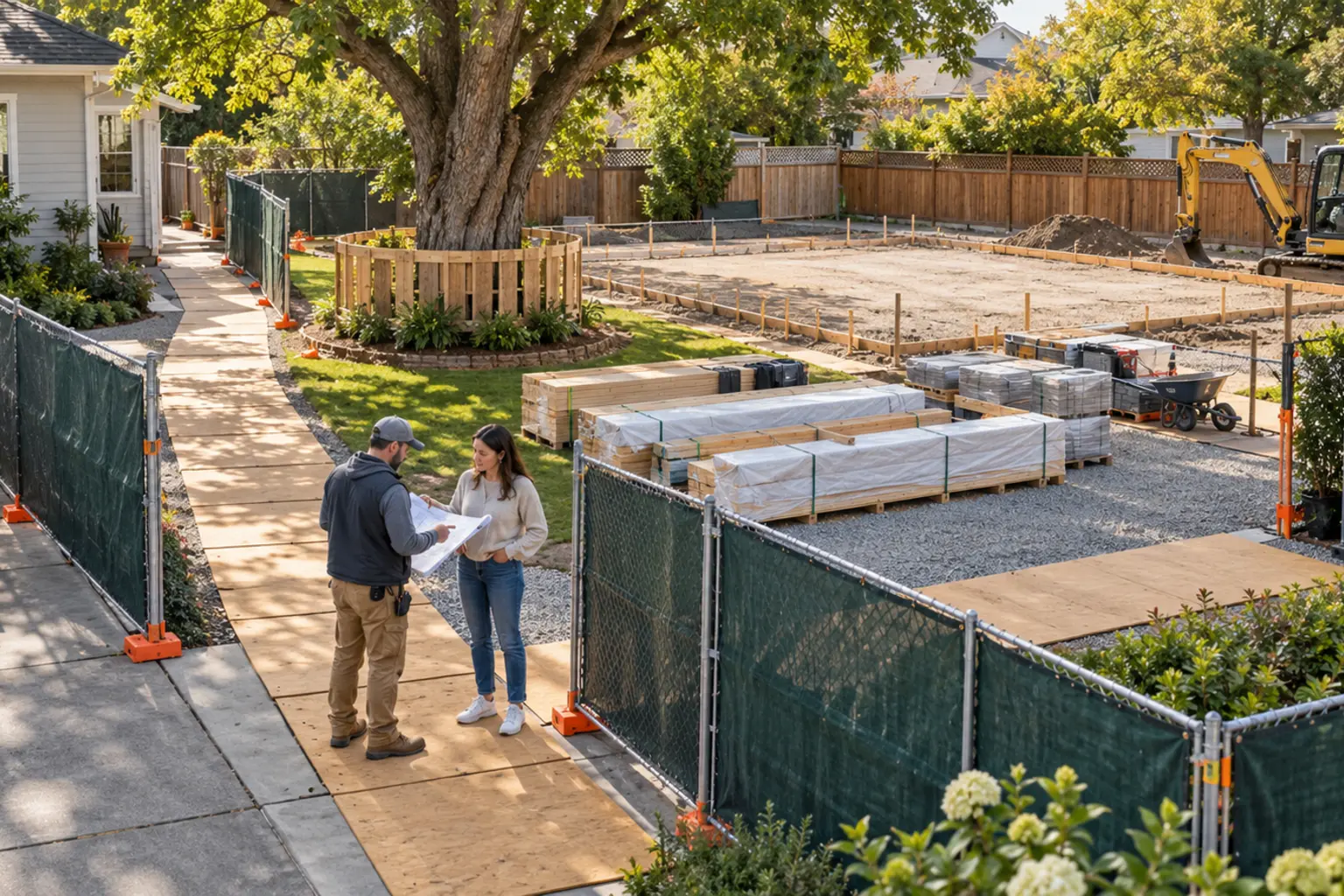
A defined work zone helps prevent damage and reduces conflict. It should separate active construction from household circulation, pets and valuable exterior improvements.
Before work begins, document the existing condition of nearby paving, walls, fences, landscaping, exterior finishes and any sensitive improvements with dated photos. Confirm which items are to be protected, removed and restored.
Plan for Access, Parking and Deliveries
A small backyard building can require large deliveries and equipment. Narrow side yards, overhead utilities, street parking, steep driveways and mature landscaping can all affect the construction method and cost.
Coordinate early for:
- Crew parking and any required street or permit coordination
- Truck access for excavation, concrete, framing and material deliveries
- Temporary removal and later restoration of fences or gates
- Protection or temporary relocation of irrigation, lighting and landscape features
- A route that does not damage the main home, neighbor property or underground utilities
Protect the Main Home and Household Routine
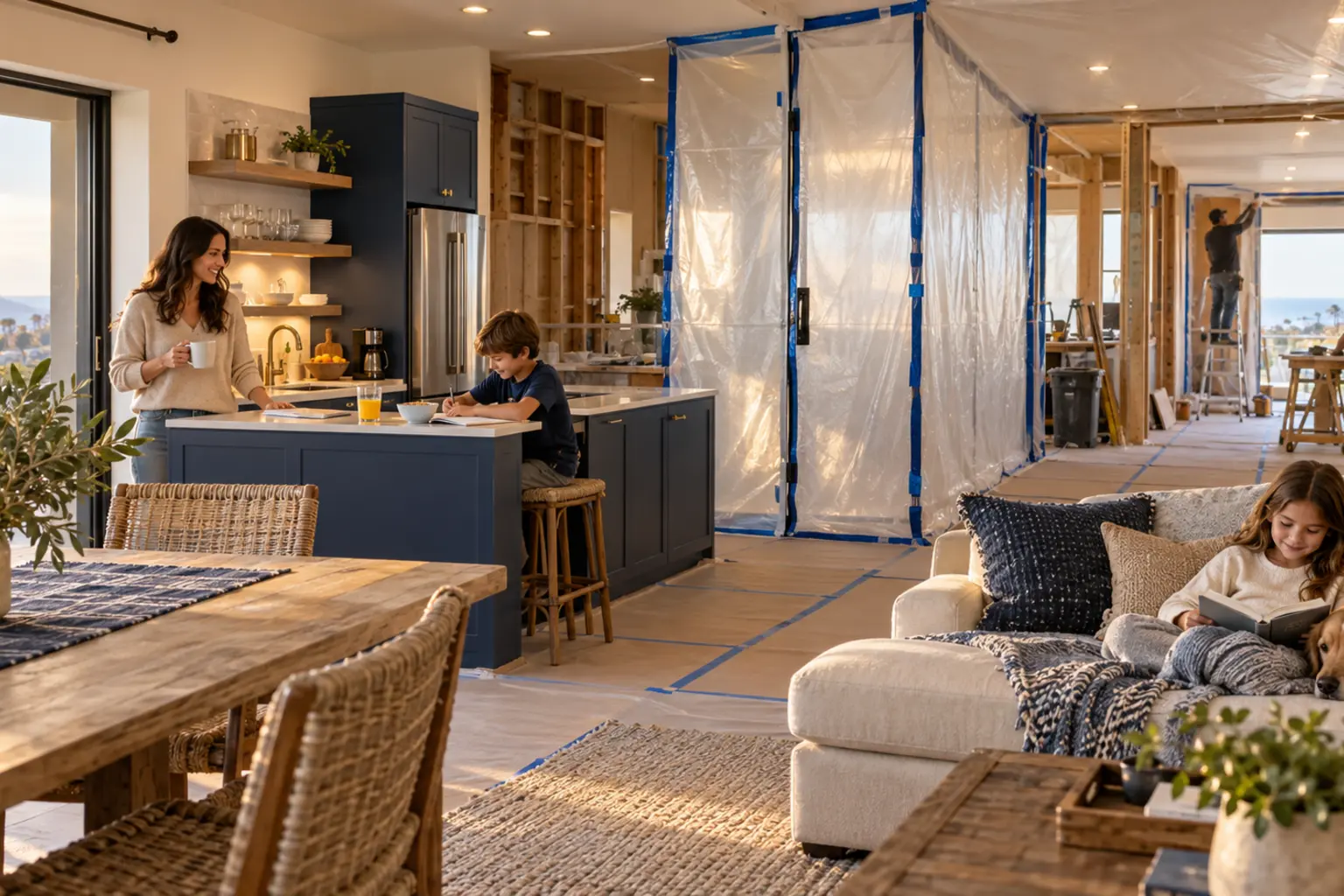
The main home remains part of the jobsite. Discuss which areas will be noisy, dusty, inaccessible or temporarily disrupted, and how the contractor will protect occupied areas.
Important practical items include dust control, temporary weather protection, restroom arrangements, security, child and pet safety, access to trash and mail, and a plan for temporary water, sewer, gas or electrical shutdowns.
Utilities and Existing Conditions
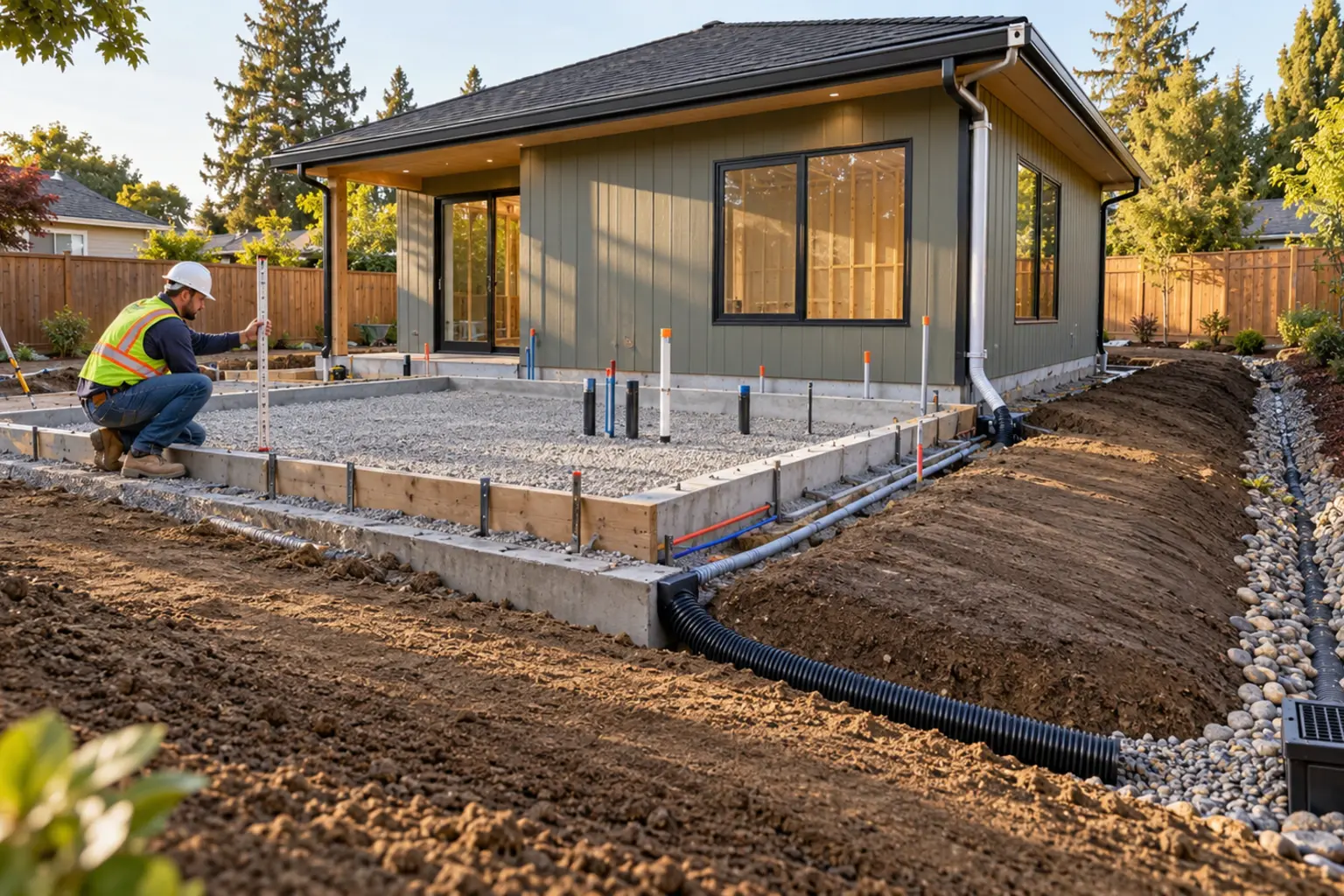
Before excavation, confirm known and private utility routes, planned trenches, meter locations and the work needed to connect the ADU. A public utility locate is essential but may not identify all private lines or undocumented improvements.
The contractor should also identify foreseeable unknowns—such as hidden concrete, old laterals, irrigation, rock or unsuitable soil—and explain the contract process if conditions differ from what was reasonably visible or documented.
Communicate With Neighbors Thoughtfully
A short, courteous notice can reduce surprises. Let adjacent neighbors know the anticipated start window, normal work hours, any access or parking impacts, and who to contact if an immediate site issue arises.
Do not promise a fixed schedule that the project team cannot control. Instead, communicate the likely sequence and update neighbors if a major disruption is expected.
Review Site Security and Safety
The contractor controls the worksite, but homeowners should understand the site-security plan. Discuss fencing, gates, temporary barriers, storage, lighting, daily cleanup, hazardous-material handling and access restrictions.
Keep children, visitors and pets out of active work areas. Do not enter the site or move stored materials without coordinating with the contractor.
Prepare a Decision and Communication Routine
Construction moves more smoothly when selections, questions and approvals have a clear path. Confirm how change requests are documented, how quickly decisions are needed, when site meetings occur and who is authorized to direct work.
Foundation Tip
The best time to protect a gate, tree, patio or utility line is before the crew needs to work around it. Walk the property with the contractor before mobilization and resolve access and protection questions in writing.
How Foundation Can Help
Foundation can help homeowners organize the preconstruction questions that affect access, site readiness, utility coordination, household disruption and scope clarity. The construction team remains responsible for means, methods, safety, permits and the site-specific work plan.
Important Disclaimer
This article provides general planning information, not construction-safety, legal, permitting, utility or contractor advice. Requirements and responsibilities must be confirmed with the project team and the applicable agencies.
Sources
Occupational Safety and Health Administration — Construction Safety
U.S. Department of Energy — Planning for Home Renovation