Why Communication Matters
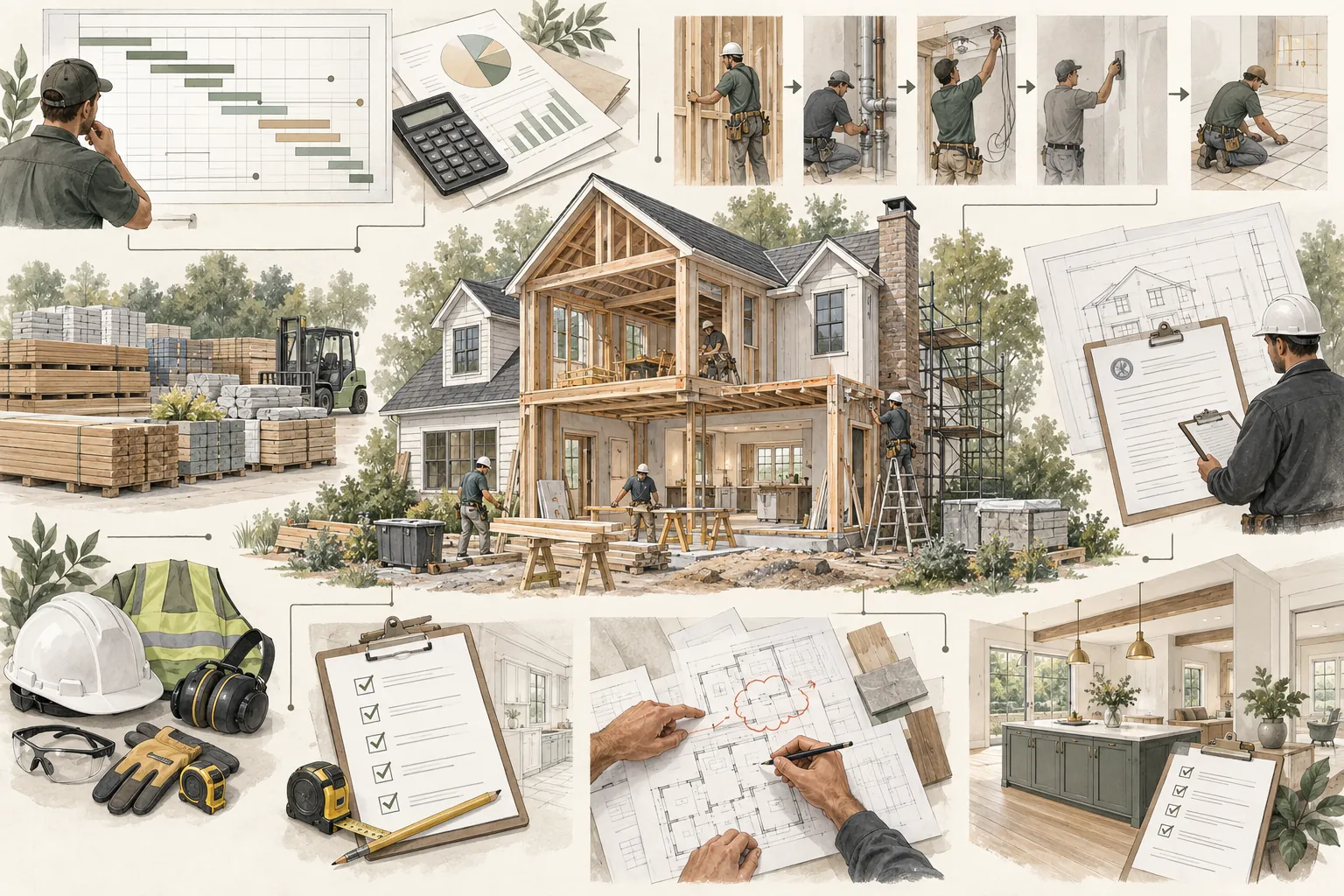
Successful renovations depend on more than good design and quality construction. They also depend on clear, consistent communication between the homeowner and every member of the project team.
Misunderstandings can lead to delays, unexpected costs, frustration, and rework. Establishing good communication practices early helps everyone stay informed and reduces the likelihood of problems later in the project.
Every project team communicates a little differently. Some rely on email, others use project management software, scheduled meetings, or text messages. The specific method is less important than making sure everyone understands how information will be shared.
Good Communication Practices
- Establish a primary point of contact for the project.
- Agree on how routine updates will be shared.
- Document important decisions in writing.
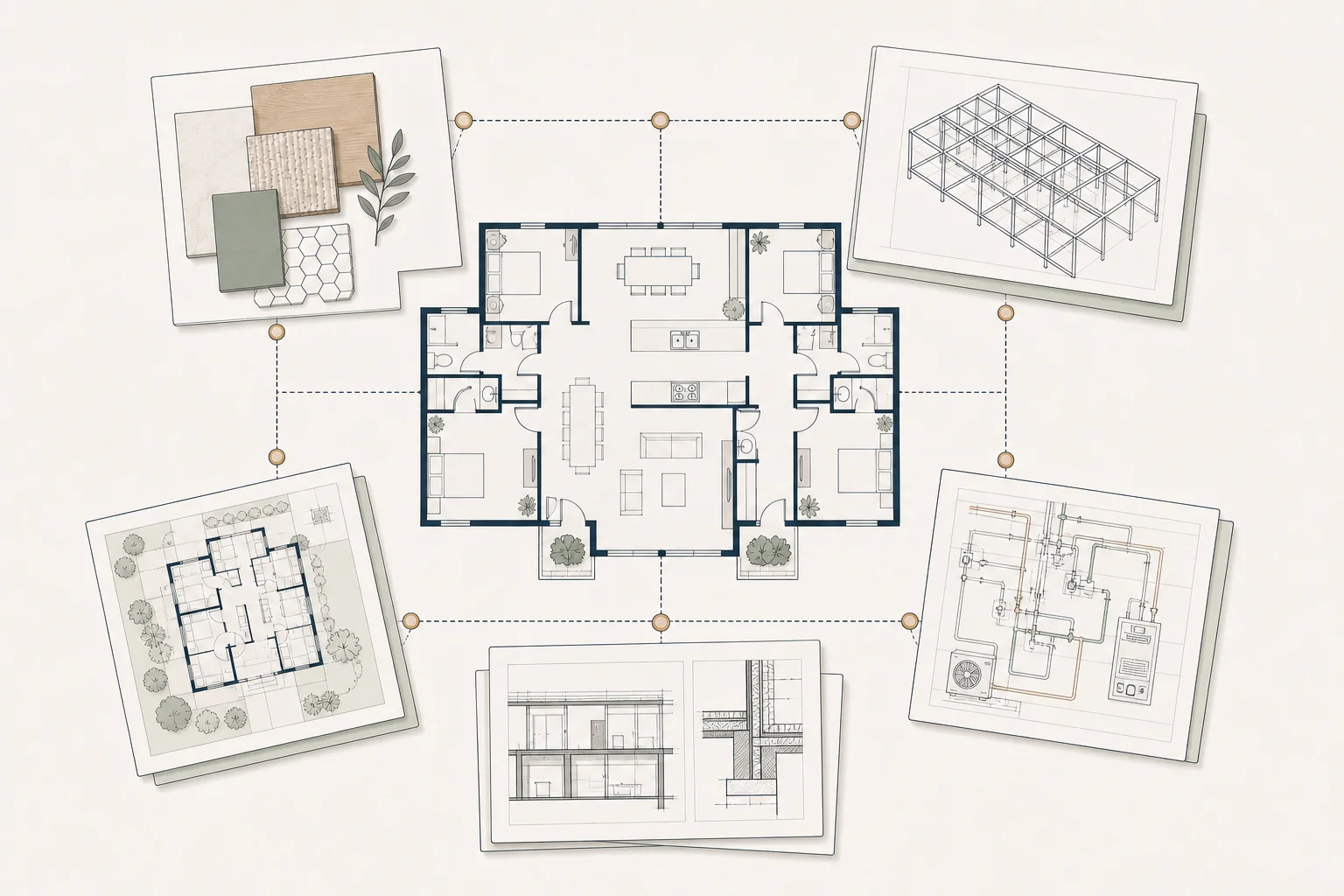
- Review drawings, selections, and approvals carefully before work begins.
- Ask questions when something is unclear.
- Respond to requests for information or decisions promptly.
- Keep discussions respectful and focused on solving problems.
Why Written Documentation Is Important
Verbal conversations are valuable for collaboration, but important decisions should be confirmed in writing. Emails, meeting summaries, project management software, or approved change orders create a shared record that everyone can reference later.
Written documentation reduces confusion, helps resolve disagreements, and provides clarity when multiple people are involved in a project.
When Communication Breaks Down
Communication challenges are common during renovations, especially when schedules change, new information is discovered, or unexpected conditions arise. Addressing questions early and discussing concerns openly often prevents small issues from becoming larger problems.
Common Misconceptions
- If we talked about it, everyone will remember it. Important decisions should be documented so everyone has the same understanding.
- Text messages are enough for every decision. Quick updates work well by text, but major decisions are better documented through email, project software, or formal approvals.
- Only the contractor is responsible for communication. Effective communication is a shared responsibility between the homeowner and the project team.
- Asking questions slows the project down. Clarifying questions early often prevents costly mistakes later.
- Problems are easier to discuss after construction is finished. Concerns are usually easier to resolve when they are addressed as soon as they arise.
Foundation Tip
One of the simplest ways to improve a renovation is to end important conversations with a written summary of the decisions that were made. Clear documentation helps everyone stay aligned and minimizes misunderstandings.
Closing Thought
Strong communication builds trust, improves collaboration, and helps projects move forward with fewer surprises. While every renovation will encounter questions and challenges, a team that communicates clearly is better equipped to solve problems together.
How Foundation Can Help
A Foundation Strategy Session™ and the resulting Foundation Renovation Roadmap™ can help homeowners clarify roles, decisions, responsibilities and the next planning steps before major commitments are made. Foundation Bid Review™ is available when focused contractor-proposal comparison support is appropriate. Foundation provides independent education, organization and decision support; it does not replace architects, designers, engineers, contractors, attorneys, lenders, permitting authorities or other qualified professionals.
Important Disclaimer
This article provides general educational information. Professional roles, licensing rules, contracts, delivery methods, permitting responsibilities and project requirements vary by jurisdiction, company and project. Verify current requirements and scopes with the applicable authorities and qualified professionals.