
Why Planning Matters
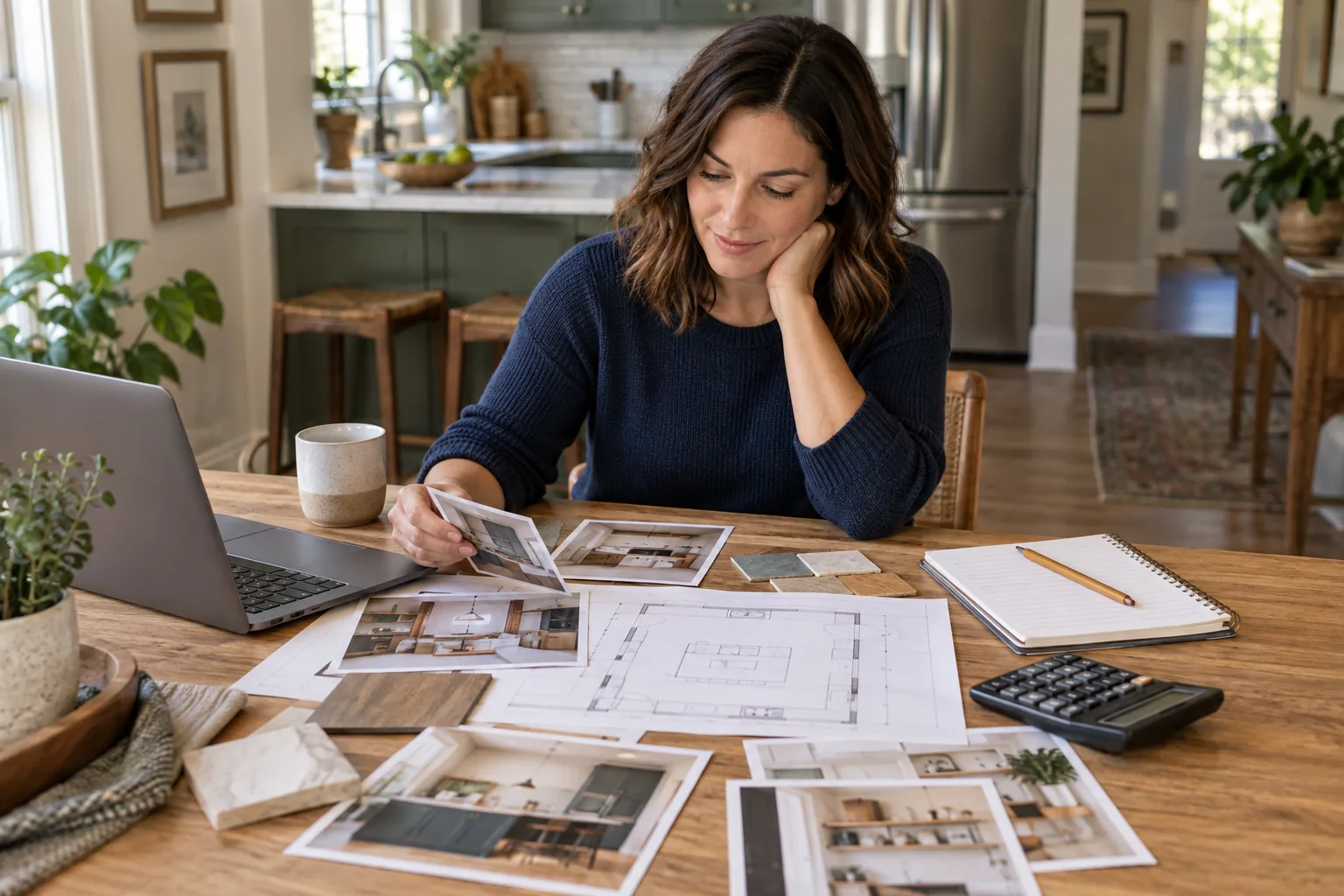
Many homeowners focus on the cost of design and pre-construction planning because those expenses occur before any visible work begins. It can be tempting to move quickly into construction to save time or money.
In reality, the planning phase is often the least expensive time to evaluate options, make changes, and solve problems. Once construction begins, even small revisions may require additional labor, new materials, schedule adjustments, or rework.
Good planning does not eliminate every surprise, but it helps reduce avoidable problems and gives the project team a stronger foundation for success.
What Good Planning Includes
- Clearly defining project goals and priorities.
- Developing complete drawings and specifications when appropriate.
- Establishing a realistic budget.
- Making product and finish selections before construction whenever possible.
- Understanding permit and inspection requirements.
- Reviewing contractor proposals carefully.
- Discussing schedule expectations and material lead times.
- Considering potential risks before work begins.
How Planning Can Save Money
Planning allows changes to be made on paper instead of during construction, where they are often more expensive to implement.
Early decisions help reduce change orders, minimize project interruptions, improve trade coordination, and avoid rush orders for materials.
Well-planned projects also help homeowners make more intentional decisions, reducing impulse upgrades or last-minute revisions that can increase costs.
Common Misconceptions
- Planning delays the project. Investing time in planning often shortens construction by reducing avoidable interruptions.
- I'll figure things out as construction progresses. Many decisions become more expensive and disruptive after work has begun.
- Design fees don't provide value. Professional planning often helps identify issues before they become costly field changes.
- We can always change it later. Most changes remain possible, but later changes typically have greater budget and schedule impacts.
- Planning eliminates every surprise. Unexpected conditions can still occur, but good planning helps the team respond more effectively.
Foundation Tip
Before construction begins, ask yourself whether each major decision has been made because you're confident in it—not because you're hoping to decide later. The earlier important decisions are made, the easier and less expensive they are to implement.
Closing Thought
Good planning is an investment in the success of a renovation rather than an added expense. While it requires time and thoughtful decision-making upfront, it often reduces uncertainty, improves communication, and helps homeowners avoid costs that could have been prevented through better preparation.