Why Preparation Matters
A kitchen renovation affects nearly every part of daily life. Cooking, cleaning, eating, and gathering routines will all change during construction.
While every project is different, homeowners who prepare in advance are often better equipped to handle temporary inconveniences and unexpected challenges.
The goal is not to eliminate every disruption, but to make the renovation process more manageable and less stressful.
Key Factors to Consider
- Temporary Kitchen: Plan where you will prepare meals, store food, and wash dishes while the kitchen is unavailable.
- Meal Planning: Consider simple meals, outdoor cooking, or occasional dining out during key construction phases.
- Dust and Noise: Expect demolition, construction dust, and periods of increased noise.
- Children and Pets: Plan for safety by limiting access to the work area during construction.
- Daily Communication: Establish how and when you will communicate with your contractor about progress and questions.
- Deliveries and Access: Know where materials will be delivered and how workers will access your home.
- Flexibility: Unexpected conditions or material delays can affect the schedule.
Common Ways to Prepare
Create a Temporary Kitchen
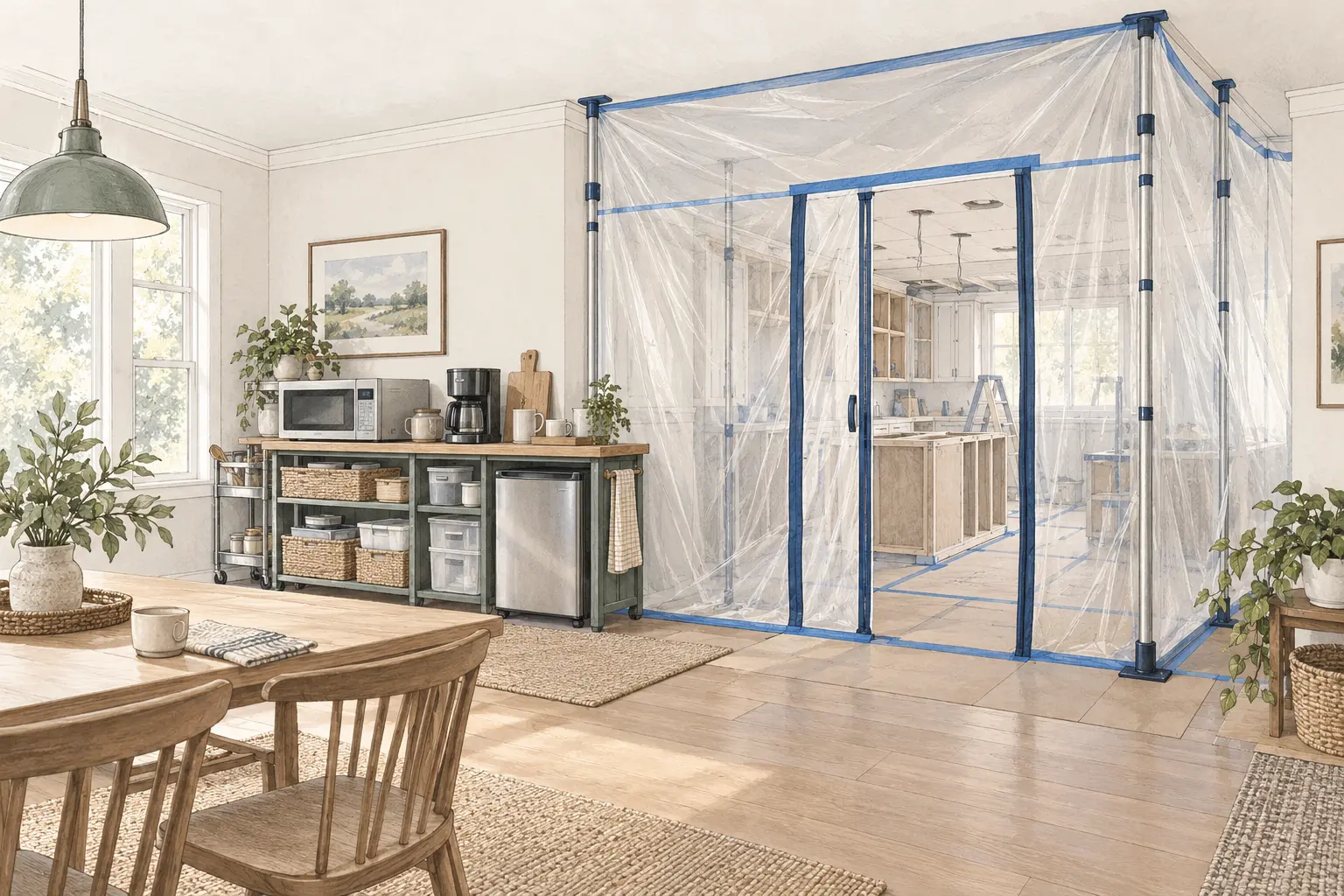
Set up a small area with essentials such as a microwave, coffee maker, toaster oven, or portable cooktop where appropriate.
Reduce Kitchen Contents
Pack away items you won't need and clearly label boxes for easier access after construction.
Protect Adjacent Spaces
Discuss dust protection, floor coverings, and work area separation with your contractor.
Review the Schedule
Understand the major phases of construction and when utilities may be unavailable.
Plan for Deliveries
Know when cabinets, appliances, and other large materials are expected to arrive.
Questions Your Contractor May Ask
- Will you remain in the home during construction?
- Are there days or times when work should be limited?
- Do you have pets or children that require special consideration?
- Where can materials be staged?
- How would you like to receive project updates?
- Are there any upcoming events or travel plans that could affect the schedule?
Looking Beyond the Construction
Even well-planned projects may encounter unforeseen conditions such as hidden plumbing issues, outdated wiring, or material delays. Maintaining realistic expectations and communicating openly with your contractor can help keep the project moving forward while reducing unnecessary stress.
Common Misconceptions
Construction will follow the schedule exactly. Project schedules are valuable planning tools, but weather, inspections, material availability, and unforeseen site conditions can require adjustments.
The kitchen will only be unusable during demolition. Many stages—including cabinetry, countertops, plumbing, electrical work, and finishing—can limit access before the kitchen is fully operational.
Dust can be completely eliminated. Professional containment systems help reduce dust, but some level of dust is normal during remodeling.
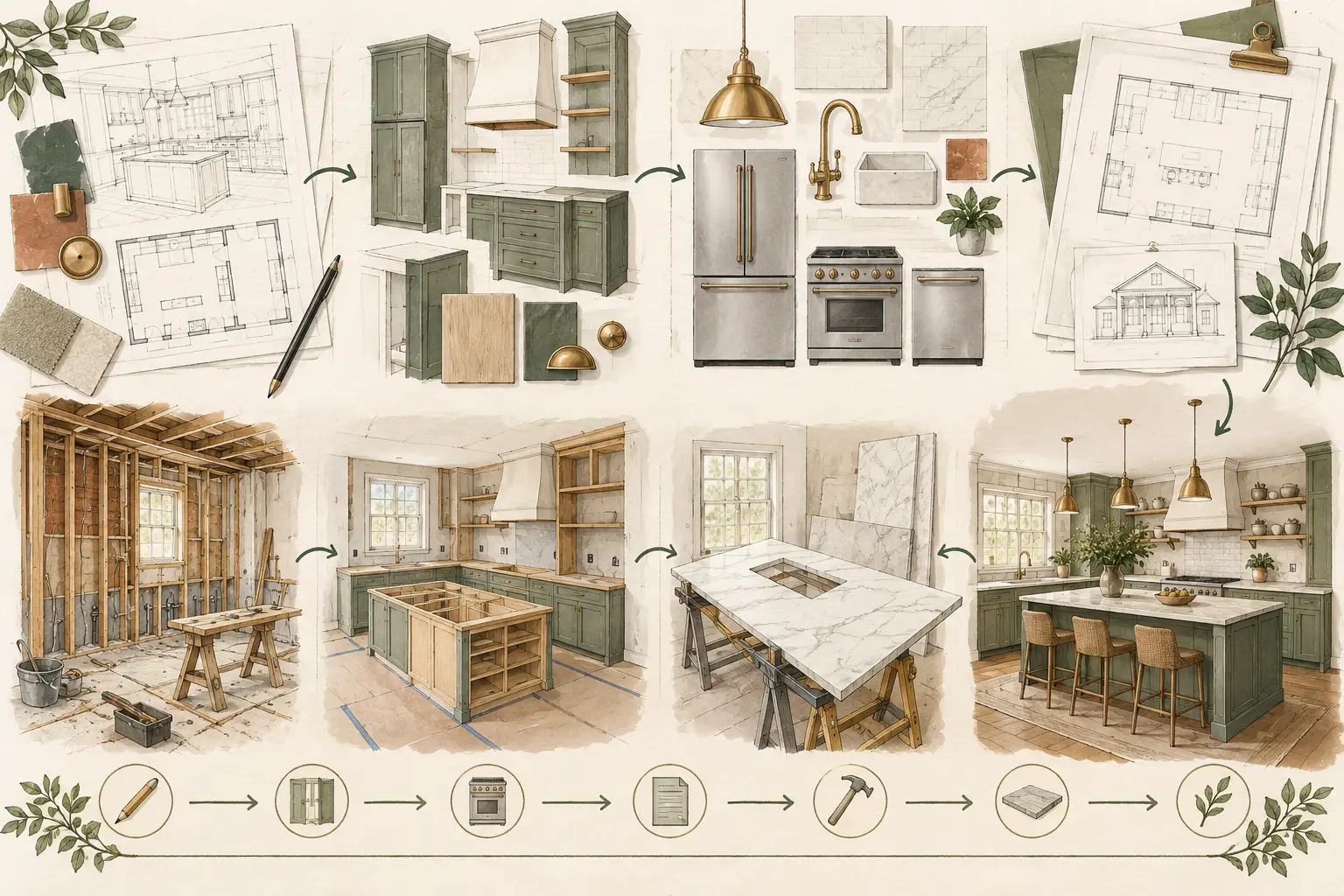
Every decision can wait until construction begins. Making selections before work starts helps avoid delays and keeps the project moving efficiently.
A successful renovation is one without surprises. Most renovations uncover at least a few unexpected conditions. Success is measured by how those challenges are managed, not whether they occur.
Foundation Tip
Before construction begins, spend a weekend living as though your kitchen is unavailable. This simple exercise often reveals practical needs—such as coffee preparation, food storage, or dishwashing—that you can address before demolition starts.
Closing Thought
Living through a kitchen remodel requires patience, flexibility, and preparation. By understanding what to expect and planning ahead, you can reduce stress, maintain realistic expectations, and focus on the long-term goal: a kitchen that better supports the way you live.